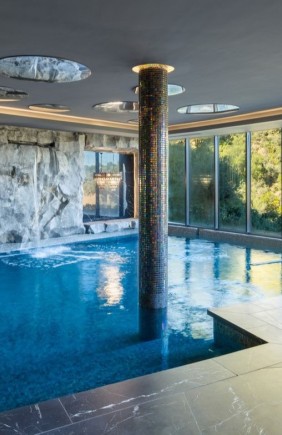
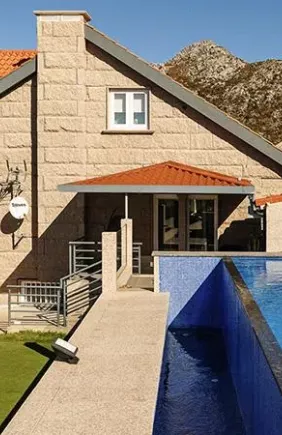
Living in Torrevieja appeals to people who want Costa Blanca beach access, year-round services and an established international community without Alicante city’s pace or price levels.
It is a practical coastal base in the southern part of Alicante province, with salt lakes, a long seafront and road links towards Murcia, Alicante and Alicante Airport.
What is it like to live in Torrevieja?

Torrevieja is a straightforward place to settle into for newcomers, particularly those who speak limited Spanish at first. English is widely heard in many everyday settings, alongside Swedish, Dutch, German, French, Romanian and other languages.
It is not a quiet fishing village, despite the occasional old postcard suggesting otherwise. Torrevieja is a busy, built-up town with major seasonal swings, especially in July and August.
Life centres on the coast, the promenades, neighbourhood cafés and the municipal market.
Climate and outdoor life
The Costa Blanca has mild winters and long, dry summers. That is a real draw for people leaving colder northern European climates, although summer heat and humidity can be relentless in a flat coastal town with little shade.
Services and getting around
Torrevieja has supermarkets, pharmacies, sports facilities, schools, private clinics and restaurants across a fairly wide urban area. For specialist hospital care, many residents use Hospital Universitario de Torrevieja, though it is worth checking local registration requirements and health-cover arrangements well before a move.
An international but lived-in town
Torrevieja’s international population is one of its main practical advantages. There are English-speaking businesses and social groups, international food shops and a steady programme of activities that suit retirees, remote workers and families.
The trade-off is that some parts of town can feel heavily geared towards visitors or overseas buyers. Central Torrevieja is livelier and more Spanish in everyday rhythm, while some outlying urbanisations can be quieter in winter and busier only when holiday homes fill up.
Best neighbourhoods in Torrevieja

The best area depends on how much beach access, walkability, peace and year-round activity matter. A home that looks brilliant on a map can feel isolated without a car, while a central flat may bring late-night noise and limited parking.
La Mata
La Mata sits north of Torrevieja town and has one of the area’s better-known sandy beaches, backed by a promenade, cafés, small shops and everyday services. It has a more village-like layout than some newer developments, though summer brings crowds and higher demand for parking.
Rental demand pushes costs above the town average. In August 2026, rents in La Mata averaged €13.5 per m². A 70 m² flat at that average would work out at roughly €945 per month, before utilities and subject to property condition, furnishings and distance from the beach.
Torrevieja city centre
Torrevieja city centre suits people who want shops, restaurants, the marina, the seafront and municipal services within walking distance. It is the easiest area for a car-free routine, although a car still helps for trips beyond town and visits to the airport.
The central location means dealing with summer footfall, traffic, construction noise and the perennial challenge of parking.
Los Balcones
Los Balcones lies on the southern side of Torrevieja, near the salt lakes and the border with Orihuela Costa. It is largely residential, with villas, townhouses, low-rise developments and more outdoor space than the central neighbourhoods.
It tends to suit families, long-term residents and buyers looking for a garden, terrace or communal pool. The nearby salt-lake views are a draw, but the area is less walkable than the centre and daily life is easier with a car.
Punta Prima
Punta Prima is south of Torrevieja, towards Orihuela Costa, and has a more modern, coastal-resort feel. It has beaches, supermarkets, restaurants and newer apartment developments, but prices reflect its popularity and proximity to the sea.
In August 2026, Punta Prima was Torrevieja’s most expensive area for buyers, with property prices averaging €3,214 per m². It can suit people seeking newer buildings and easy access to coastal amenities.
Cost of living in Torrevieja in 2026

The cost of living in Torrevieja is generally lower than in Spain’s largest cities and some of the Costa Blanca’s most expensive postcodes, but it is no longer the ultra-low-cost option often presented in older relocation content.
Everyday spending can still be manageable if shopping locally, cooking at home and living away from the most tourism-focused strips. Bills vary according to the property, air-conditioning use and whether a home is occupied throughout the year.
Property prices and rental costs
In August 2026, property prices in Torrevieja averaged €2,553 per m². At that average, an 80 m² property would cost around €204,240 before purchase taxes, legal fees and renovation costs.
Rent prices in Torrevieja averaged €12.8 per m² in August 2026. An 80 m² home rented at that level would cost around €1,024 per month.
Food, coffee and eating out
According to Numbeo’s 2026 estimates, a main meal at an inexpensive restaurant costs around €13.50, while a three-course meal for two at a mid-range restaurant comes to roughly €40. A 0.5-litre beer is estimated at €2.50, and a cappuccino or coffee at a café around €2.
Utilities and local transport
For an 85 m² apartment, Numbeo estimates basic utilities, including electricity, heating, cooling, water and rubbish collection, at about €101 per month. Air-conditioning in high summer, electric heating in winter and poor insulation can substantially change the total.
The estimated monthly public transport pass costs €20. It is inexpensive, but a bus pass cannot make up for limited routes or long travel times in more outlying neighbourhoods.
Is Torrevieja a good place to live?
Torrevieja can work well for people looking for a coastal town with practical services, a broad range of homes and a ready-made international community. The salt lakes, beaches and mild winter weather are genuine positives, while the town’s size means everyday errands are easier than in smaller resort communities.
It is less suited to anyone seeking a secluded, traditionally Spanish village atmosphere, reliable rail connections or a completely quiet summer.
Stay in the know about living in Spain as a foreigner—get our weekly newsletter for the latest travel, legal, and lifestyle news.