Murcia, in the southeast of the Iberian Peninsula, is a region renowned for its long-standing winemaking heritage. It is among Spain’s leading wine-producing areas, boasting several designations of origin across its territory. Murcia’s wines are distinguished by their Mediterranean character, the richness of their native grape varieties and their stunning vineyard landscapes. Explore the typical wines of Murcia that no wine lover should miss.
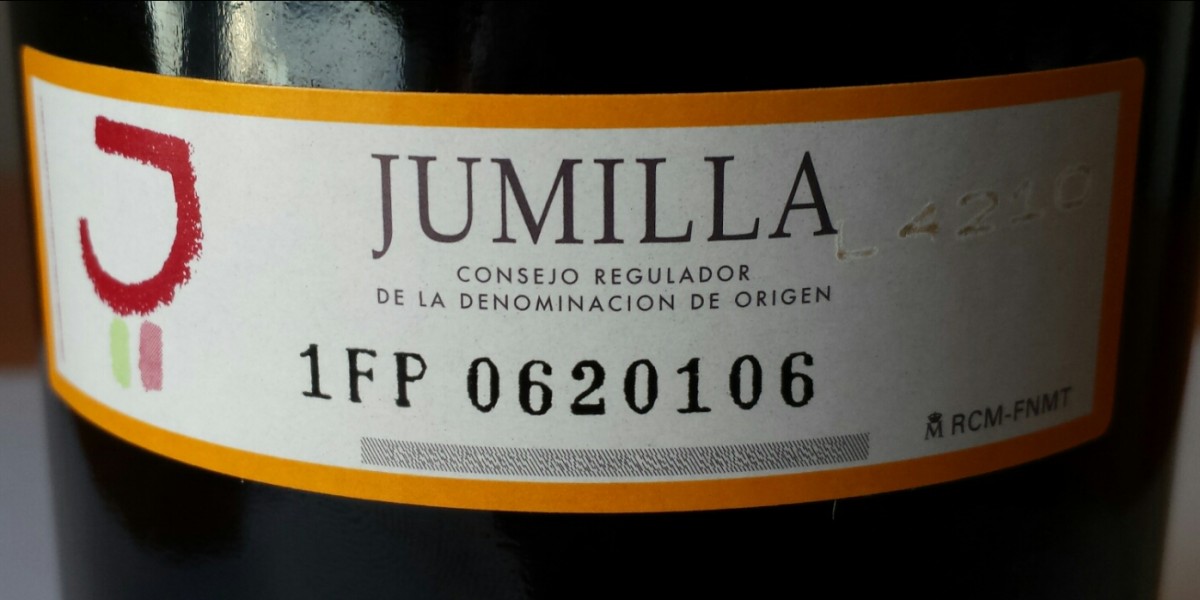
Jumilla Designation of Origin
The Jumilla Designation of Origin is one of the most emblematic on the Murcian wine scene. Situated in the north of the region, it spans terrain stretching across the plateaus of Murcia and Albacete, where a dry climate and stony soils provide ideal conditions for vine growing.
This area has maintained its distinctive identity thanks to the Monastrell grape, a native variety that yields intense, aromatic wines with real personality. Monastrell is the undisputed star of Jumilla, although other varieties such as Syrah, Garnacha Tintorera and Cabernet Sauvignon are also cultivated.
Wines from Jumilla are typically bold, offering notes of ripe red fruit, spices and a mineral character that mirrors the essence of the Murcian terroir. The blend of traditional practices with modern winemaking techniques has further enabled producers to craft an impressively diverse range of wines.
Yecla Designation of Origin
Also in the north-east of the region, the Yecla DO is typical around the city of the same name and is defined by a continental climate tempered by Mediterranean influences. Combined with its calcareous, stony soils, this creates an ideal setting for vine growing, particularly for the Monastrell grape.
Murcian wines from the Yecla DO are noted for their aromatic intensity, balanced structure and remarkable ageing potential. Monastrell once again takes centre stage, yielding robust reds with flavours of ripe black fruit, spice and subtle balsamic notes.
In recent years, however, local wineries have also embraced international varieties such as Syrah and Cabernet Sauvignon, producing modern, elegant blends that still retain the region’s native character.
Bullas Designation of Origin
Located in the north-central part of the region, Bullas is defined by its rolling hills and vineyards stretching between 400 and 900 metres above sea level. This privileged setting, combined with a Mediterranean climate touched by continental influences, allows the vines to thrive under ideal conditions.
Wine has been made here since Roman times, but the area has seen a notable revival in recent decades thanks to a renewed focus on quality and the recovery of traditional methods. Monastrell once again takes centre stage in Bullas, though it expresses itself here with distinctive nuances.
Wines from Murcia are known for their balance, fresh fruit aromas and subtle floral notes. Bullas has also succeeded in preserving small plots of old vines, many of which remain in the hands of local families.
Now that you know the wine designations of origin in Murcia, you can explore the available property listings on idealista:
- Property for sale in the Region of Murcia
- Long-term rentals in the Region of Murcia
- Holiday homes in the Region of Murcia
Campo de Cartagena
Although it does not have its own designation of origin, the Campo de Cartagena area has held a Protected Geographical Indication (PGI) since 2003, covering wines produced from grapes grown in Cartagena, Torre-Pacheco, La Unión, Fuente Álamo, Los Alcázares, San Javier and San Pedro del Pinatar.
This classification recognises the distinctive quality of the region’s wines, which are crafted from notable grape varieties. For reds, these include Monastrell, Garnacha Tinta and Tempranillo, while whites feature Airén, Moscatel de Alejandría and Pedro Ximénez.

Abanilla wine
The town of Abanilla, together with Fortuna in the eastern part of the Region of Murcia, has long been known for its wine production. Under its former Protected Geographical Indication, Abanilla wines carried a quality seal guaranteeing their origin.
The designation was officially recognised in 2003, but later disappeared after the closure of the last winery operating under it. During its existence, Abanilla wines were mainly produced from red varieties such as Monastrell, Garnacha Tinta and Tempranillo.