Valencian cuisine is one of Spain’s most celebrated culinary traditions, shaped by its connection to the Mediterranean, fertile farmland and centuries of history.
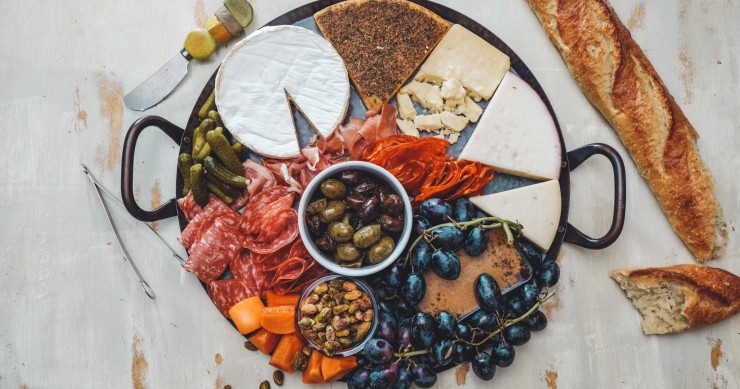
Valencian cuisine extends far beyond rice dishes and seafood, with the inland areas of Castellón, Valencia and Alicante maintaining a strong livestock tradition that has given rise to some of the Mediterranean’s most distinctive cheeses.
Interview first published in Spanish, April 2025, on idealista.com/news. It’s an ordinary weekday, nothing out of the ordinary. Outside the door of a restaurant in Madrid, a large group of tourists listens to the story of the place.
If you spend any real time in Spain, you quickly notice something: cafés and bars are never empty for long. Eating out isn’t ring‑fenced for birthdays or special occasions; it’s stitched into the rhythm of daily life.How often do people eat out?
A home-grown Spanish supermarket group has climbed to the top of the global grocery pecking order, not by being the biggest, but by being the most profitable. It is now also among the world’s strongest brands and the only Spanish name in the top 10 for brand strength in the Brand Finance Global
Named by Viajar magazine as the Galician village with the best food, Combarro sits on the Pontevedra estuary and has fewer than 1,500 inhabitants. Here, there are no tourist menus or fancy presentations.
Starbucks’ flagship store at the Bernabéu stadium has been named "The Best Chain Coffee Shop" at The Best Coffee Shop Awards, held during Coffee Fest – Spain’s leading professional trade fair for the coffee industry.The accolade, part of the "The Best Coffee Shops Spain" awards, recognises establish
Spain’s speciality coffee scene has just received global recognition. Four Spanish coffee shops have earned a coveted place in the prestigious World’s 100 Best Coffee Shops ranking, highlighting the country’s growing influence in the international coffee movement.
Murcia, in southeastern Spain, is celebrated for its warm climate, welcoming people and exceptional culinary heritage. Known for its fertile farmland, the region offers authentic cuisine that makes full use of fresh, local produce.
The Region of Murcia, in southeastern Spain, is known for its fertile land and fine wines, but it also boasts a rich and long-standing cheesemaking tradition.
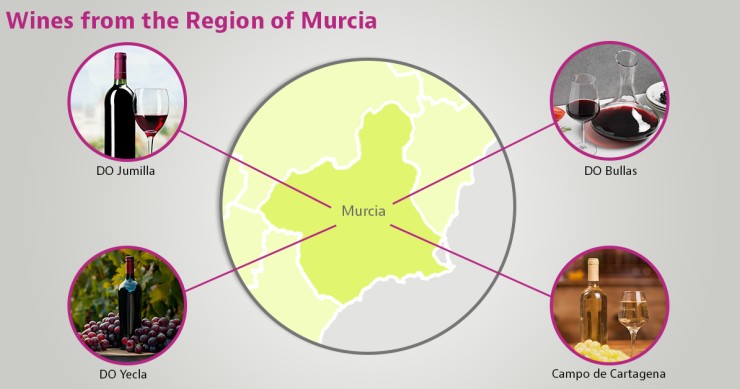
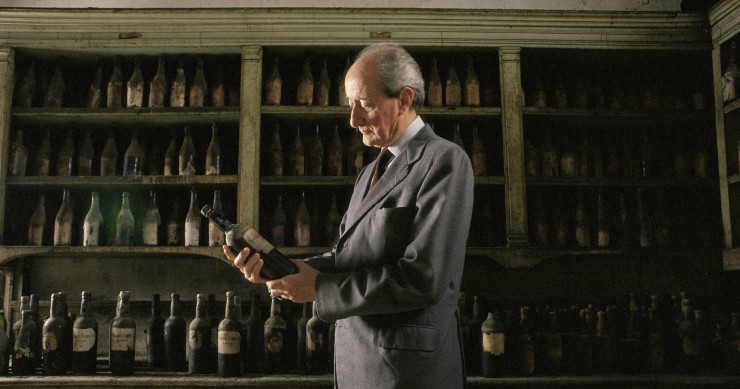
Murcia, in the southeast of the Iberian Peninsula, is a region renowned for its long-standing winemaking heritage. It is among Spain’s leading wine-producing areas, boasting several designations of origin across its territory.
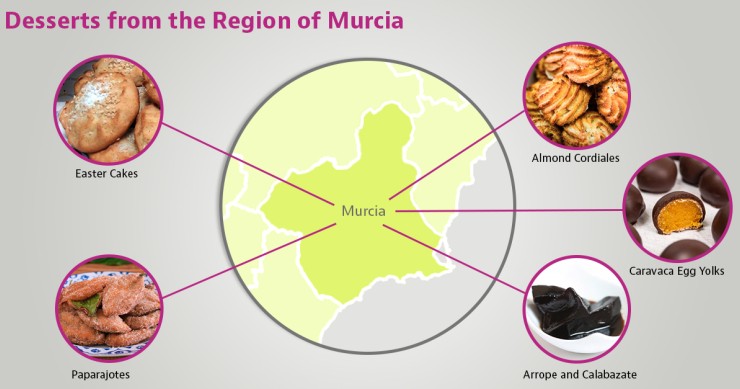
If you’ve already ticked off churros and flan, it’s time to go regional. Across Spain, you’ll find festival pastries, creamy classics and delicate almond sweets that locals adore but many visitors never spot.
Forbes’ 2025 ranking of the world’s 50 best wineries puts Spain firmly on the global map, with two bodegas landing top‑10 spots. Spain’s top performers in 2025Marqués de Murrieta, Logroño (La Rioja)Things to do in LogroñoGonzález Byass, Jerez de la Frontera (Cádiz)Things to do in Jerez de la Fr
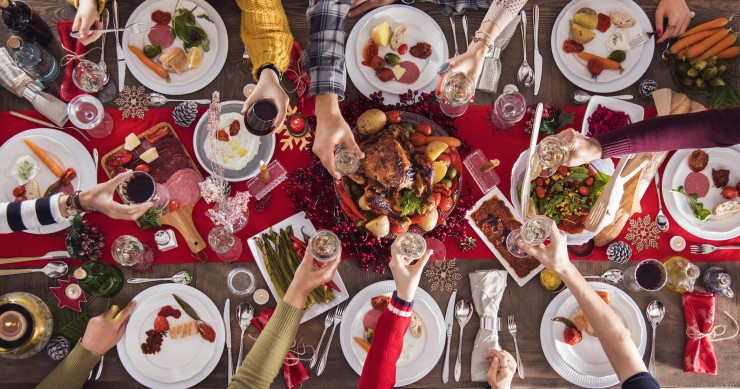
Christmas in Spain is a long, food‑centred season running from Nochebuena through Christmas Day to Reyes. Families linger over traditional Christmas food in Spain with long lunches and generous starters, roasts and shellfish.
The Bernabéu Market, situated within the renovated Real Madrid stadium, opened its doors in November. Spread across a 3,000-square-metre space beneath Gate 45, it will host around 25 outlets, including restaurants, cocktail bars and speciality gourmet shops, establishing itself as a new culinary and cultural hub in the heart of the capital.
Spain’s next food spotlight is set: Jerez de la Frontera will carry the Capital of Gastronomy title through 2026, with the handover from Alicante scheduled in January.What the title means and key datesThe Capital of Gastronomy is an annual recognition awarded since 2012 to a Spanish city that stands
Late October in Spain smells of roasting castañas and warm sugar. Bakery windows fill with inviting treats, while street braziers serve hot boniatos and cups of thick chocolate.
Food is practically a way of life in Spain, with a culinary heritage that goes back centuries. The country's gastronomy is incredibly varied, and you'll find that so much of the local culture is best understood through what's cooking in the kitchen.
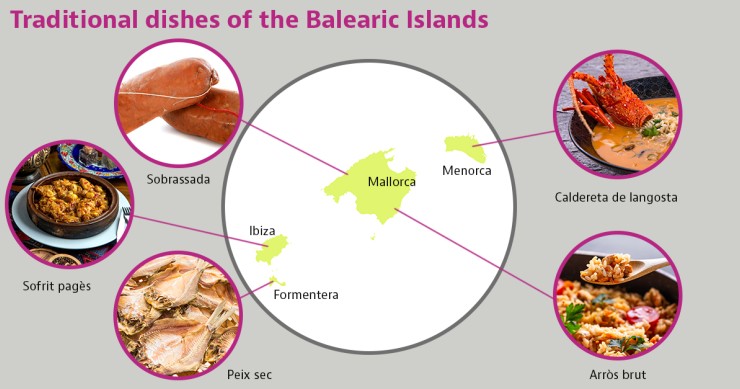
Visitors to the Balearic Islands don't only love their idyllic landscapes and crystal-clear beaches but also their rich, time-honoured cuisine that reflects centuries of history, cultural fusion and a deep respect for local ingredients.Rooted in ancient traditions and shaped by Arab and Catalan infl