

If you’ve already ticked off churros and flan, it’s time to go regional. Across Spain, you’ll find festival pastries, creamy classics and delicate almond sweets that locals adore but many visitors never spot. Sampling the country's lesser-known desserts gives you an insight into local living and how to enjoy it.
Casadielles, Asturias

Asturias is all crashing coastline, mountain villages and excellent cider, yet some of its biggest nostalgia lives in the pastry counter. Casadielles (cah-sah-dee-YEH-yes) turn up at winter festivities and during Antroxu (Carnival), and you’ll also find them year-round in traditional bakeries.
What it is
These are tube-shaped pastries sealed at both ends and filled with a sweet, nutty mix. The classic combo is walnuts, sugar and a splash of anise, wrapped in dough and fried or baked until crisp and golden.
Ingredients and variations
Walnuts are most common, while some bakers use hazelnuts for a softer flavour. Dough can be scented with anise liqueur or white wine. You’ll see two main styles in the window: fried casadielles de masa and lighter puff-pastry versions baked in the oven.
When to try it
These are at their most abundant around Christmas and Antroxu, when every confitería doubles production.
Where to try it
Start in central Oviedo’s classic pastry shops or pop into neighbourhood bakeries in Gijón. Around Antroxu, village fiestas often sell fresh, still-warm casadielles.
Piononos, Granada
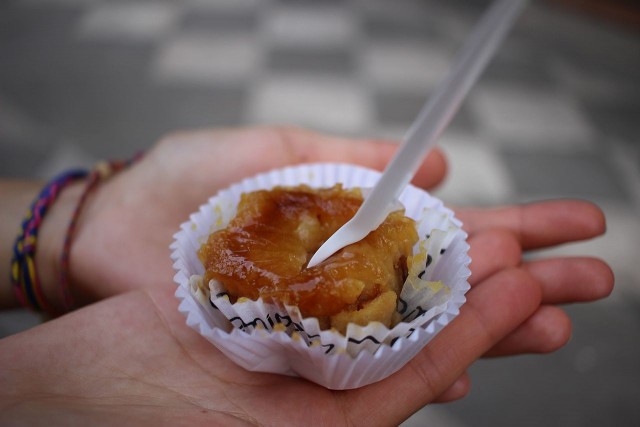
Granada province has a serious sweet tooth, and just west of the city, the small town of Santa Fe lays claim to its most famous bite. Piononos are tiny, rich and gone in two morsels, which makes them perfect with a quick coffee in the afternoon.
What it is
Picture a mini rolled sponge that’s lightly soaked, then topped with a spoonful of silky pastry cream and caramelised to a glossy finish.
Ingredients and variations
The base is a thin sponge sheet rolled so every bite shows a spiral. Bakers tweak the syrup and the degree of caramelisation, and seasonal batches sometimes include subtle citrus notes.
When to try it
Locals enjoy them year-round with coffee, though they’re especially popular around local fiestas and religious holidays, when visiting families pick up boxes to share.
Where to try it
You’ll find them across Granada, but Santa Fe is home turf and the ideal tasting ground. Pop into a central bakery in Granada for convenience, then make a short bus or taxi hop to Santa Fe for the original experience.
- Find your holiday rental Granada
- Find property for sale in Granada
Goxua, Álava
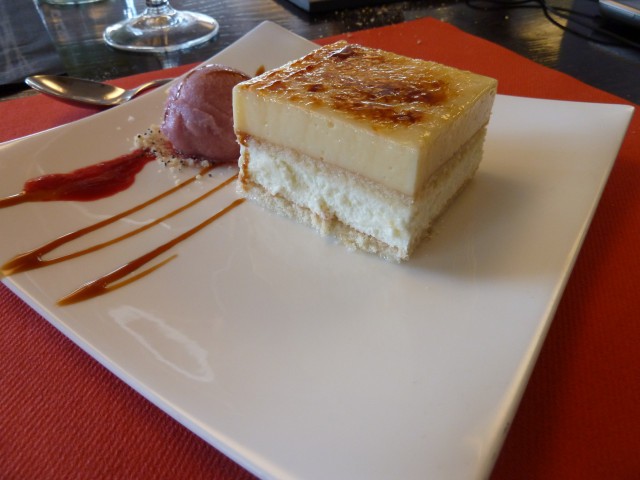
In the Basque Country, desserts are often simple and all about texture. Goxua (GOH-shoo-ah), meaning “sweet” in Basque, is a layered classic that’s elegant enough for restaurants yet homely enough for Sunday lunch in Álava.
What it is
Think layers you can eat with a spoon. Goxua stacks whipped cream at the base, then a soft sponge layer, then glossy pastry cream on top, which is lightly caramelised for a delicate crack as your spoon breaks through.
Ingredients and variations
You’ll see individual glass portions in cafés and larger cake versions in patisseries. Some chefs add a drizzle of local honey or a splash of liqueur in the syrup to moisten the sponge.
When to try it
It’s an all-year dessert, often appearing on the menú del día in Álava and in Vitoria-Gasteiz patisseries, especially at weekends.
Where to try it
Start in Vitoria-Gasteiz’s old town, where traditional pastry shops showcase seasonal versions. In restaurants, it often sits alongside cuajada or pantxineta on the dessert board, so you can do a little Basque tasting flight.
Fardelejos, La Rioja
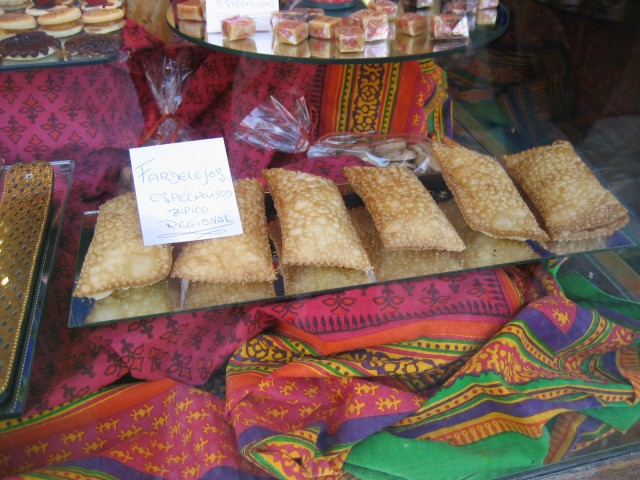
La Rioja is famous for wine routes, yet its Moorish-influenced sweets reward a detour. Fardelejos from Arnedo are delicate, fragrant and perfect with a coffee after a long bodega visit.
What it is
At first glance, they look like slim, rectangular pastries. Bite in, and you get crisp, blistered layers of thin dough and a soft almond filling that’s lighter than standard marzipan.
Ingredients and variations
The filling is almond-forward with subtle citrus or cinnamon, depending on the baker. The pastry is traditionally fried to achieve that bubbly, fragile shell.
When to try it
You’ll find fardelejos throughout the year in Arnedo, while elsewhere in La Rioja, they’re more common around Christmas and local fiestas.
Where to try it
Plan a stop in Arnedo’s central bakeries, ideally en route to or from the Rioja Baja wine area. In Logroño, peek into traditional sweet shops near Calle Laurel for a quick taste after a pincho crawl.
Frixuelos, Northern Spain
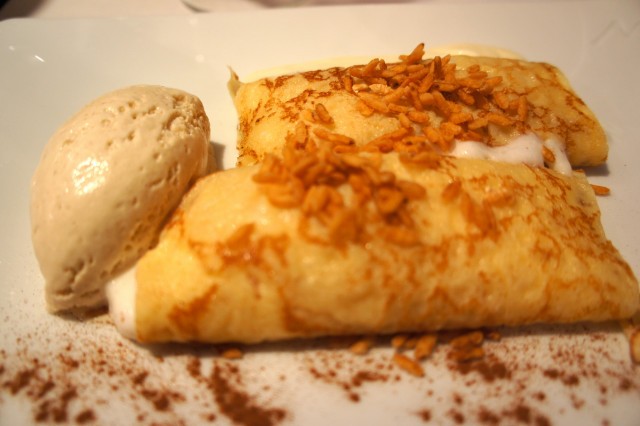
You’ll see similar pancakes across Spain’s north, but Asturias has made frixuelos part of its Carnival DNA. They’re simple, quick to make and endlessly flexible, which is why they show up at breakfast, as a snack and after Sunday lunch.
What it is
If you imagine a cross between a crêpe and a very thin pancake, you’re close. Frixuelos are ultra-thin, tender and usually rolled with sugar, whipped cream or chocolate. They’ve got cousins in neighbouring regions, like Galician filloas, but Asturians keep their own style.
Ingredients and variations
The basic batter is flour, milk and eggs, with a pinch of sugar. Some families add a touch of anise or lemon zest.
When to try it
They’re everywhere during Antroxu in Asturias, when community centres and stalls turn them out by the plate. The rest of the year, you’ll spot them in cafés across Oviedo and Gijón.
Where to try it
Café-hop in Oviedo’s centre for a sweet version with coffee, or head to Gijón’s neighbourhood bars during Carnival week for a paper plate of hot, rolled frixuelos dusted in sugar.
- Find holiday cottages for rent in León and Cantabria
- Find property for sale in León and Cantabria
Stay inspired for your travels in Spain—get our weekly newsletter for the latest travel guides, cultural news, and lifestyle tips.