Valencian cuisine extends far beyond rice dishes and seafood, with the inland areas of Castellón, Valencia and Alicante maintaining a strong livestock tradition that has given rise to some of the Mediterranean’s most distinctive cheeses. Here are five typical cheeses from the Valencian Community that are well worth trying.
Servilleta cheese
This Valencian cheese (translated literally as "napkin cheese") is one of the most recognisable fresh varieties in the region. Its name comes from its traditional production method, where the curd is wrapped in a knotted cloth to drain the whey, leaving a distinctive imprint on the surface. This process gives it a square shape with slightly rounded edges and a small protrusion on top.
It is made using goat’s milk, sheep’s milk or a combination of both. It can be enjoyed fresh – with a white colour and soft texture – or in more mature versions. Its flavour is mild and slightly salty, and it originates from the La Costera area of Valencia.
If you would like to continue exploring the Valencian Community, you can also browse the available property market in the region:
- Property for sale in the Valencian Community
- Long-term rentals in the Valencian Community
- Holiday homes in the Valencian Community
La Nucía Cheese
Originating from the Alicante town of the same name, La Nucía cheese is easily recognised by its truncated cone shape and surface marked with a diamond pattern. This distinctive texture comes from the moulds traditionally used in its production.
Made from a blend of goat’s and cow’s milk – it is a white cheese with no defined rind and a soft, moist texture. Its flavour is delicate, slightly salty and milky – and it is typically enjoyed fresh. It usually weighs between one and two kilos.

Cassoleta cheese
Also known as "saladito valenciano" or "cazuelita" cheese, it takes its name from the small mould in which it is pressed. Traditionally made in olive wood containers, it retains a rounded shape with a central indentation resembling a small crater.
It can be produced using goat’s, cow’s or sheep’s milk or a mixture of these. The result is a small, soft and moist cheese – with a white appearance and a flavour defined by a light touch of salt. It is mainly produced in northern Valencia and southern Castellón – in towns such as Puçol and Borriana.
Tronchón cheese
Tronchón cheese, although originally from the Maestrazgo region of Aragón, forms part of the culinary heritage of northern Castellón, where its production has become well established.
It is made using sheep’s milk, goat’s milk or a combination of both. Its shape is distinctive, a circular piece with a central depression on both sides and a decorative rind often featuring floral patterns. Documented as early as the 17th century, it remains one of the most emblematic cheeses linked to the Valencia region.
Blanquet cheese
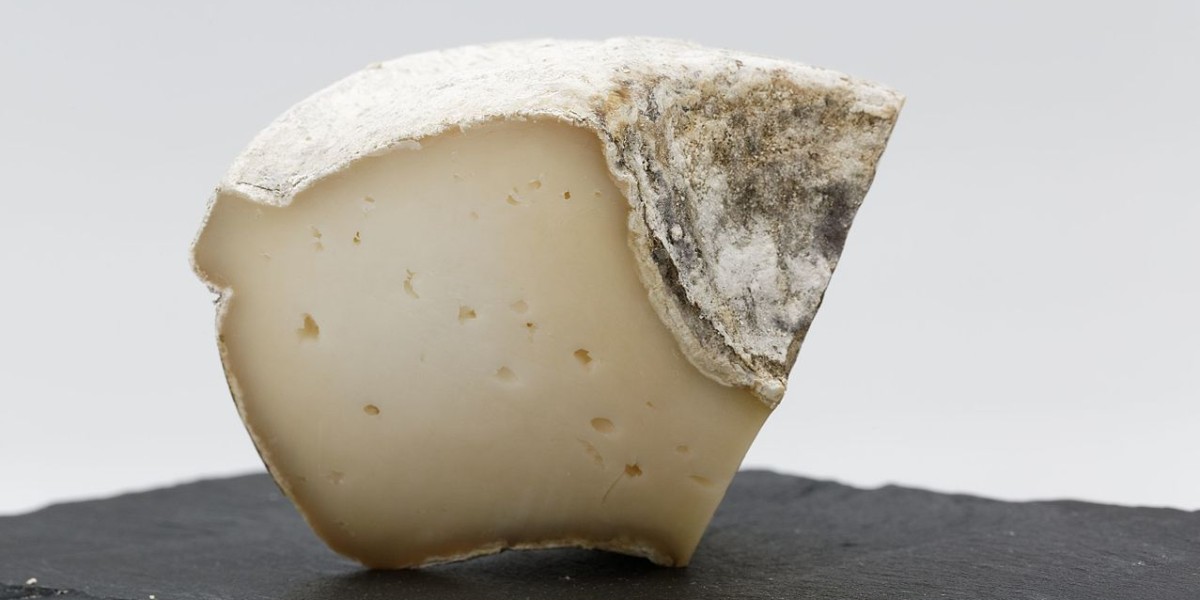
Blanquet, typical of the mountains of Alicante, is a goat’s cheese deeply rooted in local tradition. Its name refers to its distinctive white colour, a result of the milk used and its short maturation period.
It has a disc shape with ridged edges, recalling the traditional esparto grass moulds once used in its production. Mild, slightly sweet and low in salt, it can be preserved in brine or enjoyed fresh after a brief drying period.