La Gomera sits just west of Tenerife, but it feels a world away once you step off the ferry. Many of the things to do in La Gomera revolve around its deep ravines, thick forests and rugged coastline, rather than long resort strips or busy promenades.
Best things to do in La Gomera
It’s one of the smaller Canary Islands, best suited to people who enjoy being outdoors and taking things at a slower pace. The island’s highlights are a mix of national park hikes, small historic towns, dramatic viewpoints and low-key beaches. Compared with other Canary Islands, attractions are spread out and deliberately understated, which is part of the appeal.
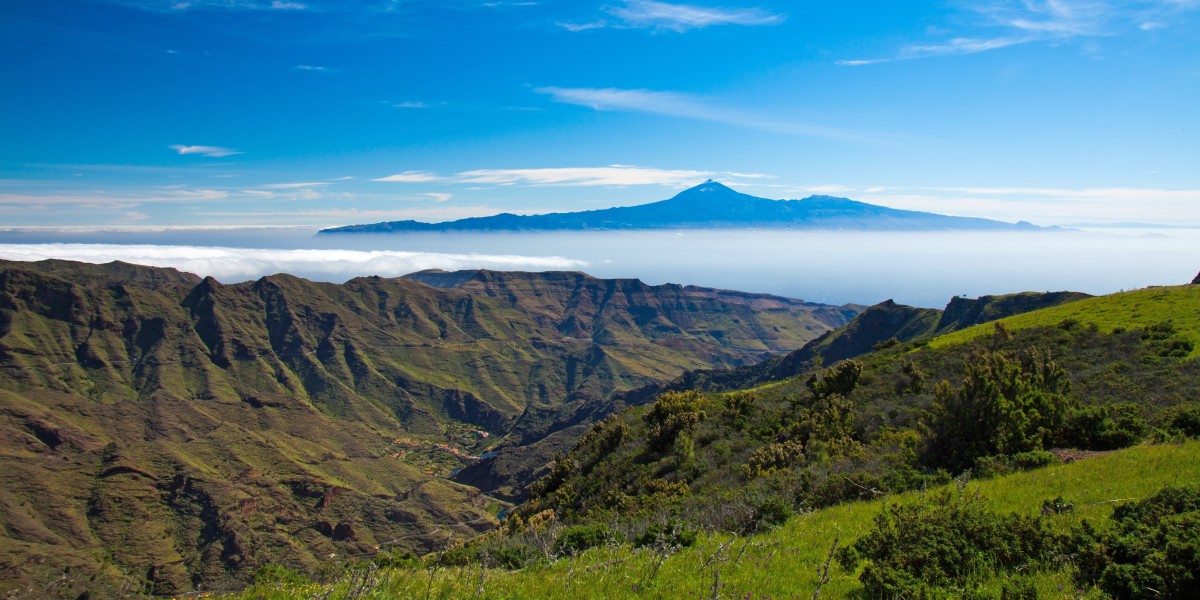
Explore Garajonay National Park
One of Spain's top natural wonders, Garajonay National Park covers the green heart of the island and protects one of Europe’s best-preserved laurisilva forests.
Walking here feels almost primaeval, with moss-covered trees, constant birdsong and mist drifting through the canopy. There are trails for different abilities, from gentle circular walks near Laguna Grande to longer routes climbing towards Alto de Garajonay, the island’s highest point.
Visit San Sebastián de la Gomera
San Sebastián de la Gomera is the island’s main town and the first place most people see, as ferries arrive straight into the harbour. It’s compact and easy to explore on foot, making it ideal for a short stay or a night before heading elsewhere.
The waterfront, small old town streets and relaxed café culture give a good sense of everyday life on the island.
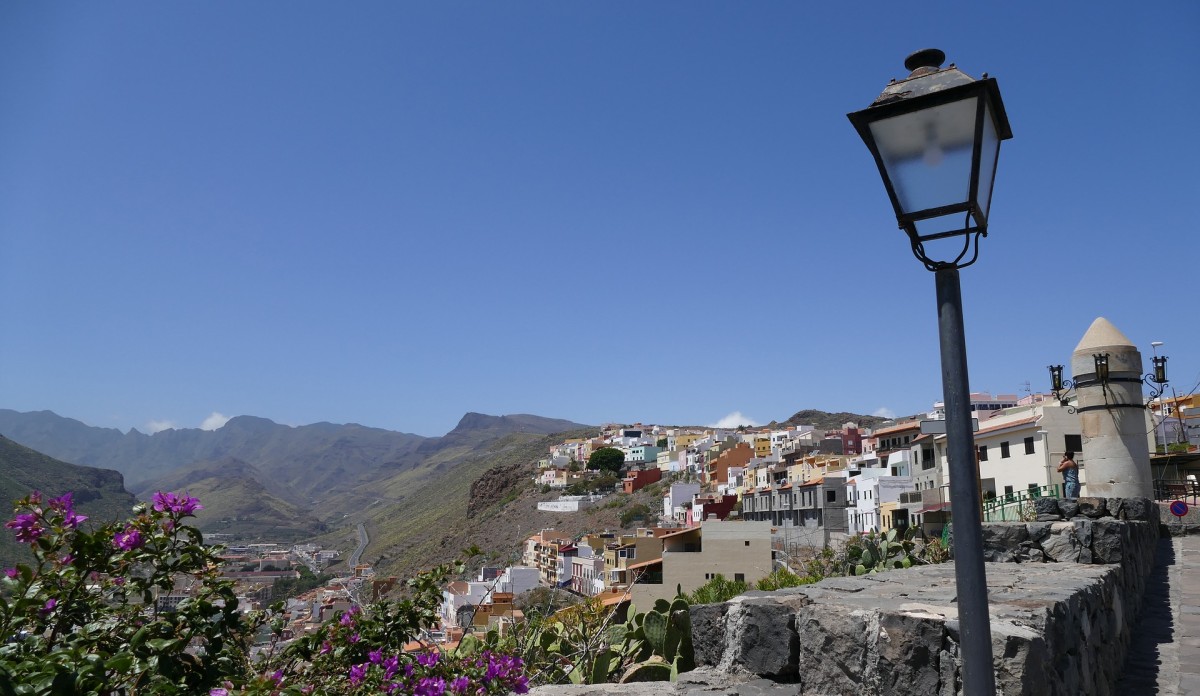
Walk the historic centre
The historic centre of San Sebastián is centred around Plaza de las Américas, a leafy square where locals sit with coffee while ferries come and go. Nearby streets are lined with low-rise buildings, small churches and traditional houses rather than grand monuments.
It’s an easy wander, more about atmosphere than ticking off sights, and you quickly get a feel for how the town works day to day.
Visit museums and cultural sites
San Sebastián de la Gomera’s cultural sights are small-scale and easy to slot into a morning or late afternoon. Much of what you’ll see ties back to the island’s past as a stopping point for Christopher Columbus before his Atlantic crossing.
- Torre del Conde
A 15th-century stone tower and the town’s most recognisable landmark. It’s one of the oldest surviving military buildings in the Canary Islands. - Casa de Colón
Traditionally linked to Columbus’s stay on the island, this historic house now hosts small exhibitions about his voyages and La Gomera’s role in them. - La Gomera's Archaeological Museum
Focuses on the island’s pre-Hispanic history, including the indigenous Gomeran people. - Museo Insular de La Gomera
Housed in an old manor building, this museum covers everyday island life, crafts and social history. - Iglesia de la Asunción
A simple church near the centre, often mentioned in connection with Columbus’s visit.
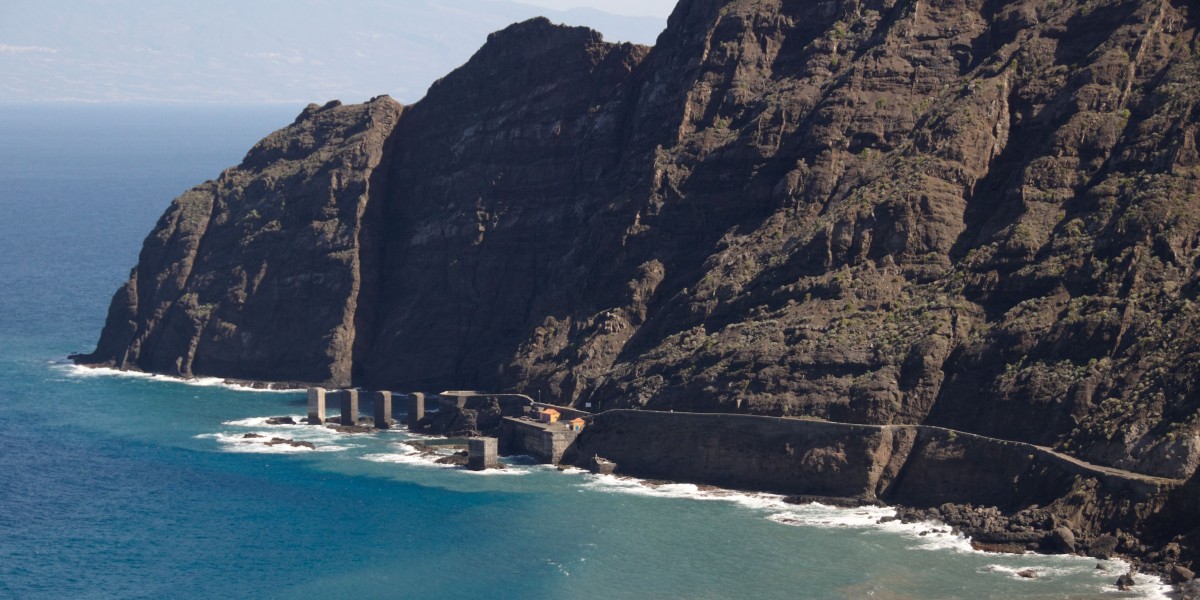
Discover La Gomera beaches
Beaches in La Gomera are mostly natural and undeveloped, with dark volcanic sand or pebbles rather than golden stretches. Hermigua and Valle Gran Rey are two of the best beaches in La Gomera, each with a different feel.
Swimming conditions depend heavily on the Atlantic, so waves and currents can be strong, especially outside sheltered areas. These are beaches for a slow afternoon rather than all-day lounging, often followed by fresh fish and a cold drink nearby.
La Gomera’s miradores and natural monuments
- Viewpoints, or miradores, are one of La Gomera’s biggest pleasures. Abrante Lookout is the most dramatic, with a glass platform suspended over the valley.
- Natural monuments like Los Roques and Los Órganos show off the island’s volcanic past, with sheer cliffs and jagged rock formations.
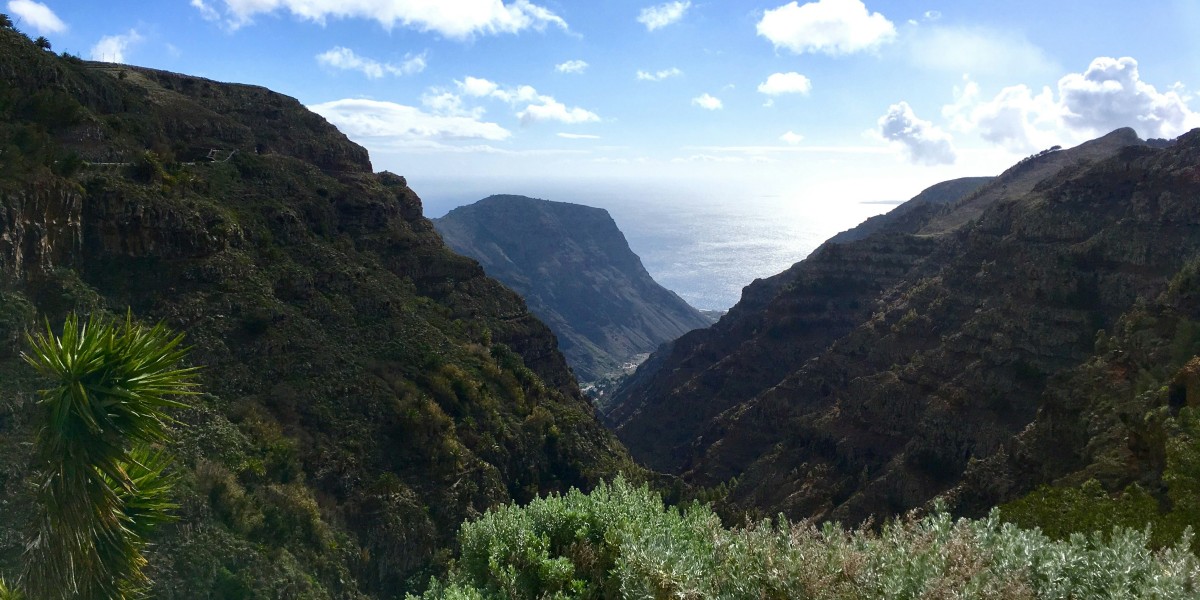
- Inland viewpoints tend to look over forests and ravines, while coastal ones focus on cliffs and the open sea.
Stay inspired for your travels in Spain—get our weekly newsletter for the latest travel guides, cultural news, and lifestyle tips.