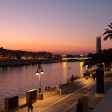
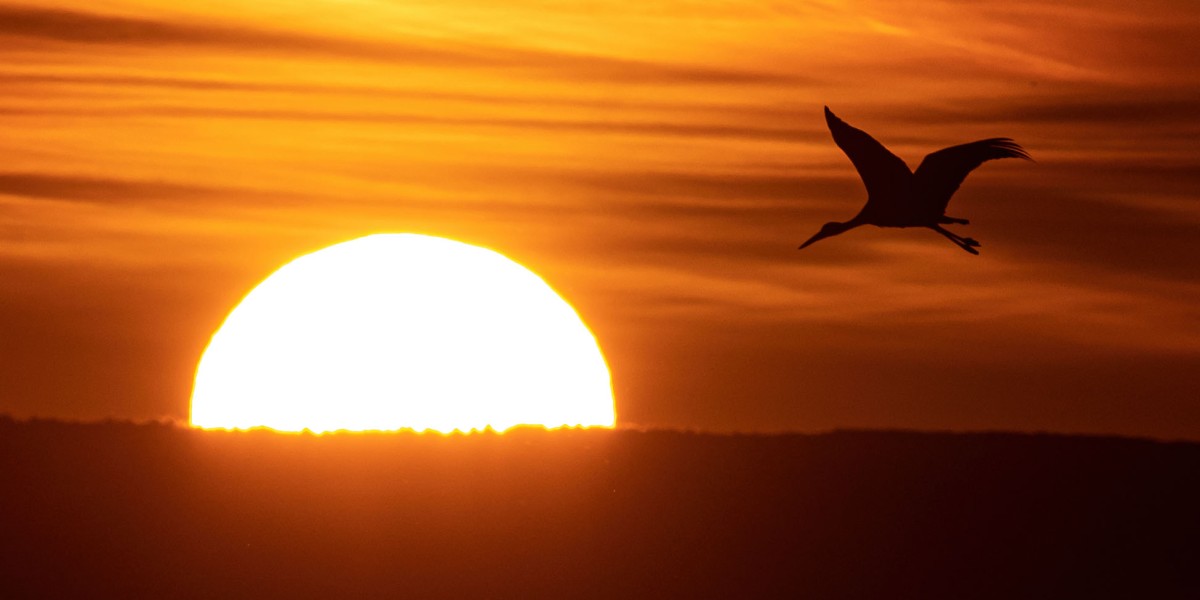
If you’ve driven along the Málaga ring road lately, you may have noticed something unusual at dusk. Not traffic. Not another new development. But rows of white storks perched neatly on top of the motorway lampposts, silhouetted against the fading Andalusian sky.
Just three winters ago, fewer than 30 storks were staying in this area. Over the past year, the number of wintering birds has tripled. has more than tripled.
Where are these storks coming from?
For decades, almost all European white storks migrated to sub-Saharan Africa each autumn. It was a fixed part of their life cycle. Now, a growing number are stopping in southern Spain, shortening the journey and spending the winter here instead.
Although white storks do nest in parts of Málaga province, the birds lining Malaga's ring road, or the Hiperronda, on lampposts are not local breeders. Most have travelled from central Europe, particularly Germany and the Netherlands.

Why are they staying in Málaga?
It comes down to food, water and climate. What began as a gradual behavioural shift now looks increasingly like a new pattern.
- The Los Ruices landfill, close to the Hiperronda, provides a constant and predictable food source.
- Nearby, the Guadalhorce river offers fresh water and quieter areas to rest.
- The first migration to Africa is particularly dangerous for young storks, so by shortening the route, they reduce that risk.
- Milder autumns and winters in southern Spain make the stay more appealing.
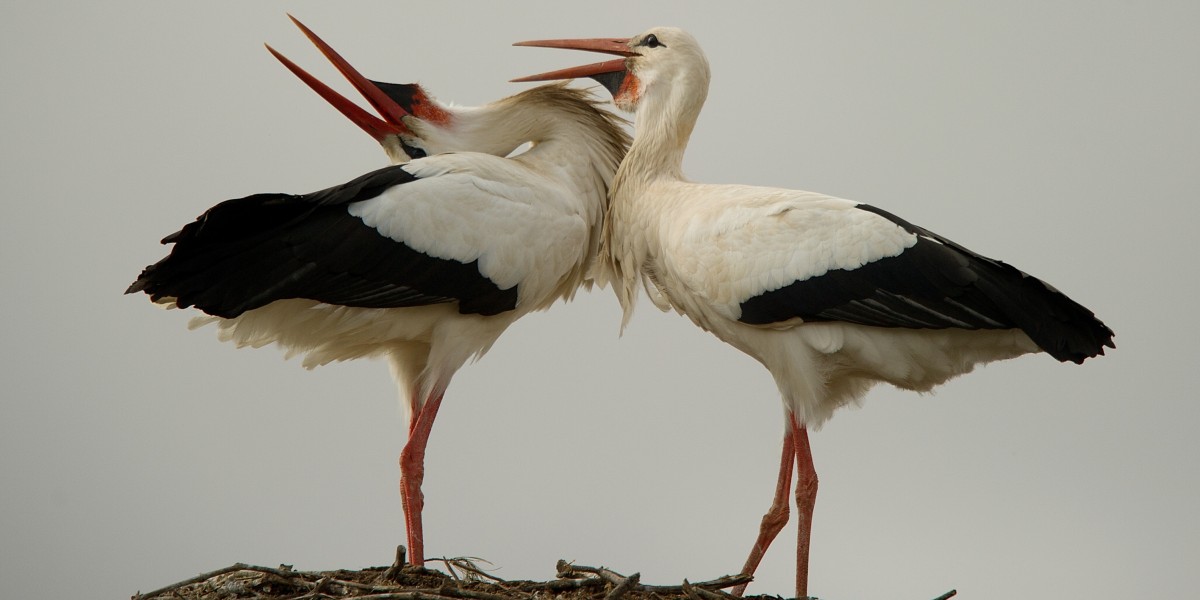
Making families
For now, storks are still rare breeders in Málaga province, with only four or five known nesting pairs
Unlike regions such as Extremadura, Málaga does not have vast natural wetlands or a large supply of amphibians, which storks rely on when raising chicks. Even so, researchers believe things could shift over time.
A reminder of why some stay
It’s not so different from the human pattern on the Costa del Sol. Many arrive for a short stay and end up settling, drawn by the climate and day‑to‑day quality of life. If you’re on the Hiperronda at sunset, it’s worth looking up. The lampposts have become part of the story.
Stay in the know about living in Spain as a foreigner—get our weekly newsletter for the latest travel, legal, and lifestyle news.
For a taste of the high life, sign up for the monthly luxury market round-up.