Spain consistently ranks among the happiest countries in Europe, and 2026 is no different. The Spain Happy Index 2026 analysed more than 8,000 municipalities across the country to determine where quality of life is highest, and one place came out on top.
The happiest city in Spain in 2026
Sonneil's index is data-driven rather than survey-based. Cities are scored on measurable lifestyle factors rather than personal opinions. With a score of 91.36 out of 100, Málaga ranks as the happiest city in Spain.
Málaga’s mix of consistent sunshine, healthcare provision, airport connectivity and access to education pushed it ahead of every other provincial capital. The city boasts 310 days of sunshine per year, only around 49 rainy days annually and an average annual temperature of 18°C.

Spain Happy Index 2026: top 10 happiest cities
The top 10 share a clear pattern: mostly coastal cities with steady sunshine, mild temperatures and strong healthcare, education and transport infrastructure. Reliable climate combined with solid public services is what drives the highest scores.
Rank | City | Region | Score (/100) | Key Strength |
|---|---|---|---|---|
1 | Málaga | Andalucía | 91.36 | Sunshine, infrastructure, airport access |
2 | Almería | Andalucía | 90.88 | 310 sunny days, very low rainfall |
3 | Ibiza | Balearic Islands | 90.86 | Island climate, 311 sunny days |
4 | Alicante | Comunidad Valenciana | 89.99 | Mediterranean climate, airport |
5 | Tarragona | Cataluña | 88.70 | Coastal setting, infrastructure |
6 | Cádiz | Andalucía | 88.12 | 317 sunny days, Atlantic coast |
7 | Santa Cruz de Tenerife | Canary Islands | 88.06 | Subtropical climate |
8 | Barcelona | Cataluña | 86.90 | Urban services, 298 sunny days |
9 | Valencia | Comunidad Valenciana | 85.97 | Balanced climate and amenities |
10 | Sevilla | Andalucía | 84.35 | Infrastructure and environment |
Even inland Madrid scores 83.13, largely due to its transport networks, hospitals and education system rather than climate alone.
How the Spain Happy Index measures “happiness”
This is a quality-of-environment index more than a full economic well-being study.
The Spain Happy Index is based on factors such as the number of sunny days per year, rainfall levels, average temperatures, access to healthcare and schools, infrastructure quality, and proximity to airports.
It does not include things such as salaries, property prices, rental affordability, job market strength, or cost of living.
Property prices and cost of living in Málaga
The happiness ranking does not factor in housing costs, which are crucial if relocation to Spain is on the cards and you want to know how much you need to live comfortably.
- As of February 2026, property prices in Málaga average €3,667 per m². That means an 80m² apartment would typically cost around €293,360.
- Rent prices stand at €16.1 per m², so an 80m² flat would usually come in at roughly €1,288 per month.
Across the wider province of Málaga, the average purchase price is even higher at €4,107 per m². Marbella remains the most expensive place to buy property, while Ojén currently records the highest rental prices in the province.
Cost of living in Málaga
According to Numbeo, the estimated monthly cost of living for a single person in Malaga is €707.50, excluding rent. That makes Málaga around 13.8% less expensive than Madrid overall.
For a family of four, estimated monthly costs are €2,569.40, excluding rent.
In practical terms:
- A meal in an inexpensive restaurant costs around €15
- A beer is roughly €3.50
- Coffee usually falls between €2 and €3
- Basic utilities for an average-sized apartment are about €126 per month, though this varies depending on property size and energy use
Taking rent into account, a single person would realistically need around €1,900–€2,300 per month to live comfortably in Málaga, depending on neighbourhood and lifestyle choices.
What living in Málaga is actually like
If moving is genuinely on the table, day‑to‑day reality matters more than headline sunshine stats.
Climate and daily life
Winters in Malaga are mild enough for outdoor living most of the time. However, summer is another story. July and August regularly climb above 30°C, humidity can linger at night, and tourism peaks, especially around the historic centre and beaches.
International community and schools
There’s a well‑established international crowd, particularly British, German and Scandinavian residents. English is widely spoken in central areas, less so in more residential neighbourhoods.
Around 10 British and international schools operate in Málaga and the wider Costa del Sol area, which makes it more practical for families than many smaller coastal spots.
Connectivity
Málaga–Costa del Sol Airport has strong links to the UK and northern Europe, and the AVE reaches Madrid in roughly 2.5 hours.
Other high-scoring coastal towns
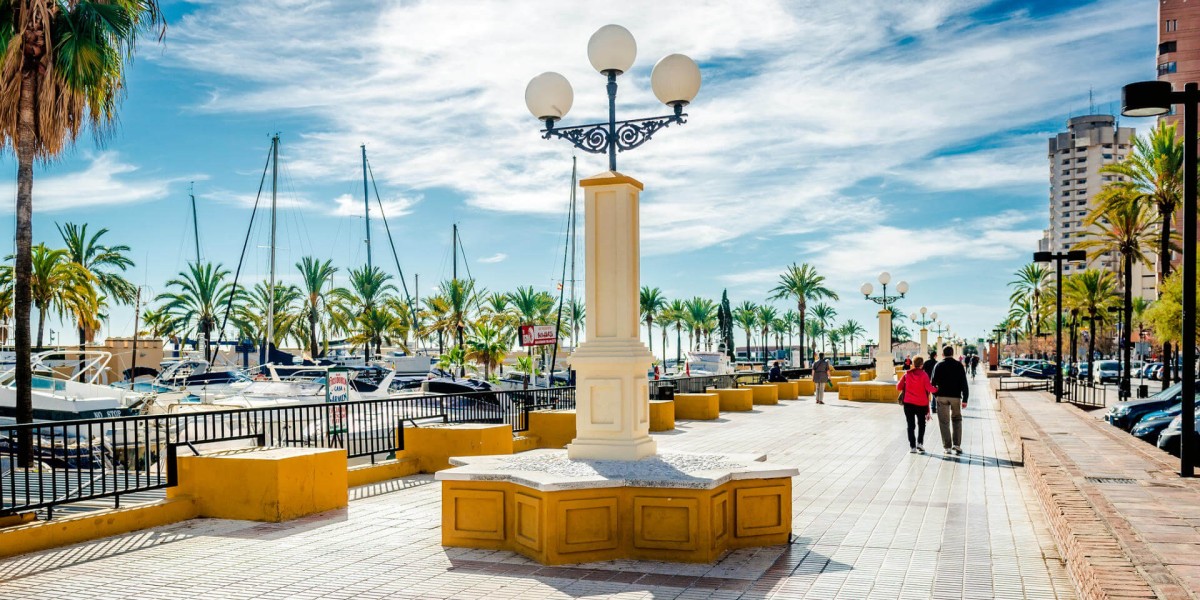
The index also ranked several Costa del Sol municipalities highly:
- Torremolinos – 89.25
- Fuengirola – 88.66
- Benalmádena – 88.60
- Marbella – 88.05
These towns benefit from similar climate advantages, though property markets vary considerably.
Stay in the know about living in Spain as a foreigner—get our weekly newsletter for the latest travel, legal, and lifestyle news.
For a taste of the high life, sign up for the monthly luxury market round-up.