Spain’s Blue Flag results for 2026 are quietly impressive. The country has reached a record 677 Blue Flag beaches, 35 more than last year, and 794 Blue Flags in total when you include marinas and tourist boats.
It builds on the already strong 2025 figures, when Spain led the global rankings once again. Here are the beaches receiving a Blue Flag for the first time in 2026.
Niñons, Ponteceso
Playa de Niñons is located in the province of A Coruña in Galicia. Galicia’s Atlantic coastline is marked by dramatic scenery, cooler waters and a strong maritime identity shaped by fishing communities.
Why visit: a Galician Atlantic beach with a raw, northern landscape.
Explore holiday rentals in Ponteceso
Porcia, El Franco
Set along the wild western coast of Asturias, Playa de Porcia lies in the municipality of El Franco, close to the Galician border. This stretch of coastline is shaped by cliffs, rocky outcrops and Atlantic swells, giving it that untamed, northern character the region does so well.
Why visit: a rugged Atlantic setting in one of northern Spain’s most unspoilt corners.
Explore holiday rentals in Porcia
Navia, Navia
Playa de Navia sits beside the town of Navia on Asturias’ western shoreline, where the river meets the Cantabrian Sea. The area blends maritime heritage with open coastal scenery, typical of this greener, cooler side of Spain.
Why visit: a classic northern beach with river and ocean landscapes side by side.
Explore holiday rentals in Navia
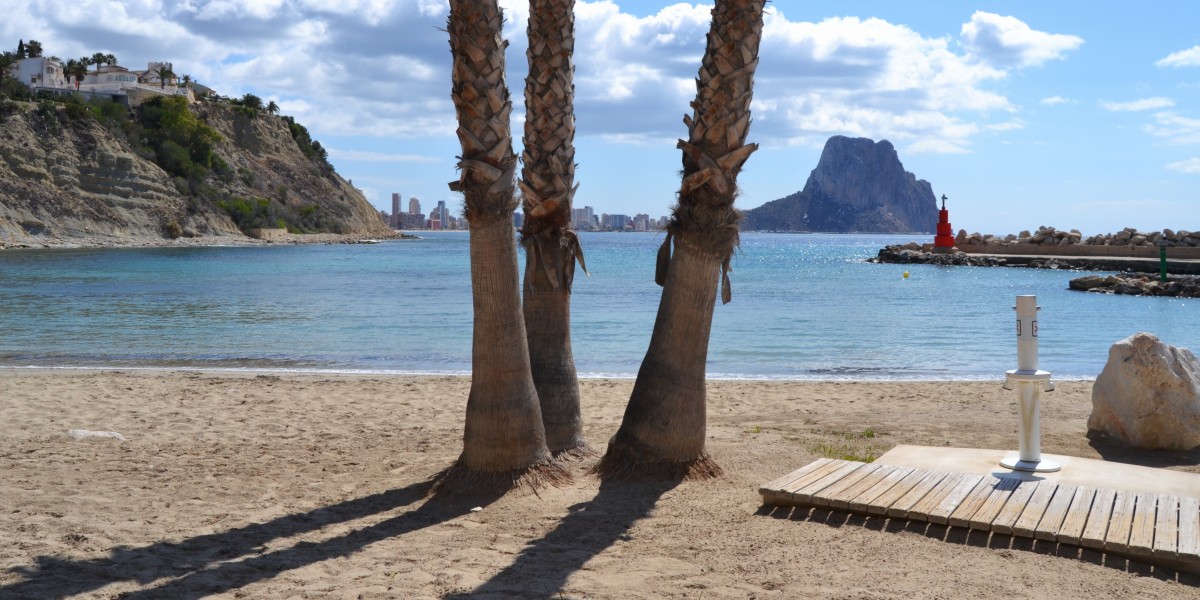
Puerto Blanco, Calp
Tucked along the coastline of Calp in Alicante province, Puerto Blanco joins the Blue Flag list for the first time in 2026. Calp’s shoreline mixes small coves and longer beaches beneath the dramatic backdrop of the Peñón de Ifach.
Why visit: a Costa Blanca setting framed by one of the region’s most striking natural landmarks.
Explore holiday rentals in Calp
Racó, Calp
Also in Calp, Racó Beach has secured its first Blue Flag this year. The town itself is a well-established coastal destination in northern Alicante province, balancing fishing heritage with international tourism.
Why visit: a newly recognised beach in one of the Costa Blanca’s most established seaside towns.
Cala Lanuza, El Campello
Cala Lanuza lies within the municipality of El Campello, just north of the city of Alicante. This stretch of coast is characterised by smaller coves and a more residential feel compared to the busier urban beaches nearby.
Why visit: a quieter Alicante-area cove with a more low-key atmosphere.
Explore holiday rentals in El Campello
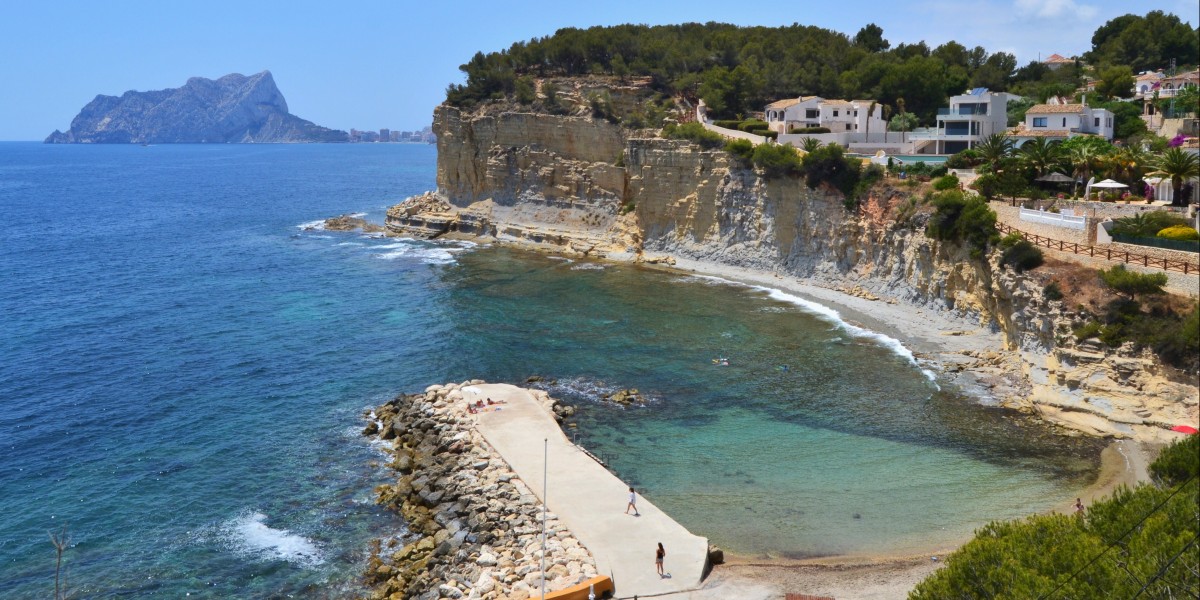
L’Advocat, Benissa
Located in Benissa on the Costa Blanca, L’Advocat becomes a first-time Blue Flag beach in 2026. The Benissa coastline is dotted with coves and rocky inlets rather than long expanses of sand, giving it a more intimate feel.
Why visit: a small-scale Costa Blanca cove in a less urbanised stretch of coastline.
Explore holiday rentals in Benissa
Pla de la Torre, Almassora
In the province of Castellón, Pla de la Torre is part of the municipality of Almassora, north of València. This section of the Valencian coast is generally flatter and more open, with wide beaches and a quieter residential rhythm outside peak summer weeks.
Why visit: a lower-profile stretch of the Valencian coastline away from the larger city beaches.
Explore holiday rentals in Almassora
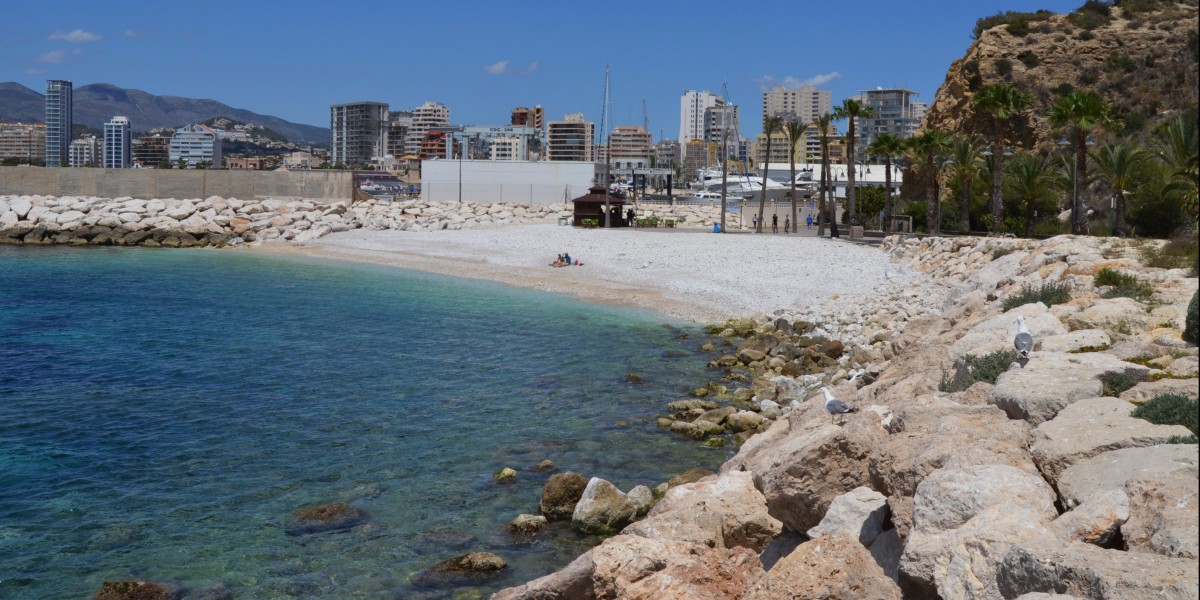
El Brosquil, Cullera
El Brosquil is situated in Cullera, south of the city of València, an area popular with local families during the summer months. Cullera combines mountain backdrops with long sandy beaches along the Mediterranean.
Why visit: a Mediterranean beach in easy reach of València with a laid-back coastal feel.
Explore holiday rentals in Cullera
El Mareny de Sant Llorenç, Cullera
Also in Cullera, El Mareny de Sant Llorenç joins the Blue Flag list for the first time. This part of the municipality has a more residential, village-style setting compared to the main town centre.
Why visit: a quieter corner of Cullera suited to those who prefer a less built-up setting.
O Laño, Poio
O Laño sits in Pontevedra province, within Galicia’s deeply indented rías coastline. Beaches in this area often benefit from more sheltered waters compared to the open Atlantic.
Why visit: A first-time Blue Flag beach in the distinctive rías of Galicia.
Explore holiday rentals in Poio
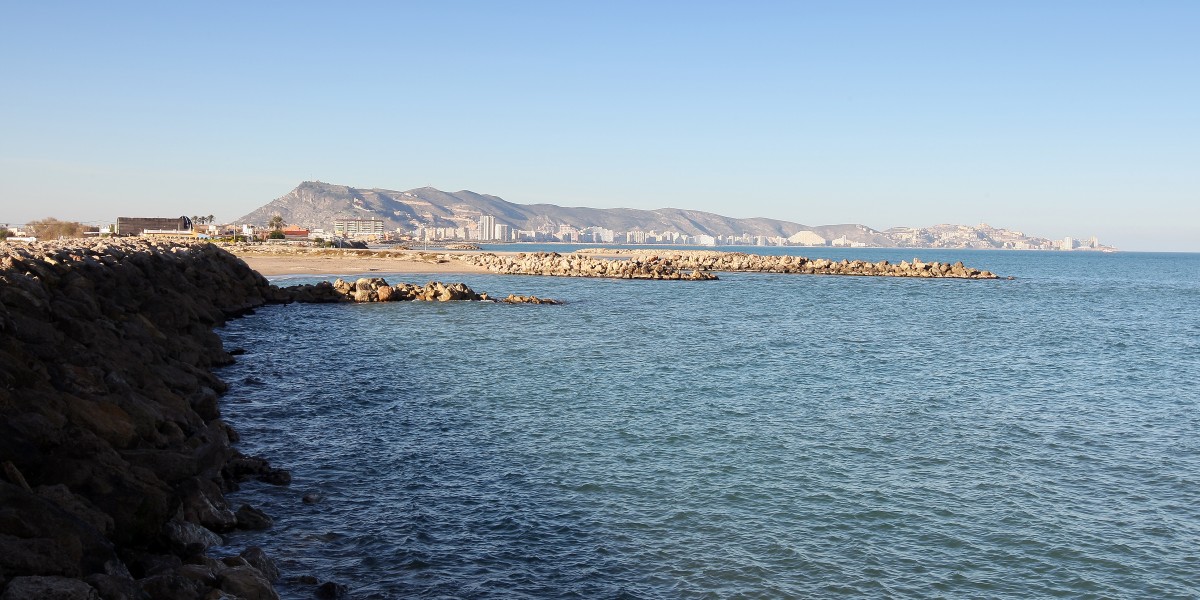
Pampaído, Sanxenxo
In Sanxenxo, one of Galicia’s best-known summer destinations, Pampaído has received its first Blue Flag in 2026. The municipality has long attracted Spanish holidaymakers, particularly during July and August, thanks to its coastal scenery and seafood culture.
Why visit: a newly awarded beach in one of Galicia’s most established seaside towns.
Explore holiday rentals in Sanxenxo
Las Burras, San Bartolomé de Tirajana
Las Burras is located in San Bartolomé de Tirajana in the south of Gran Canaria, an area popular with both residents and long-stay visitors.
This part of the island is associated with broad sandy stretches and calmer waters compared to the more exposed Atlantic coasts elsewhere.
Why visit: a southern Gran Canaria beach with easy access and a relaxed coastal atmosphere.
Explore holiday rentals in San Bartolomé de Tirajana
Stay informed on visiting and living in Spain with our weekly newsletter, delivering the latest travel, legal, and lifestyle news.