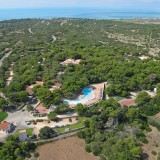
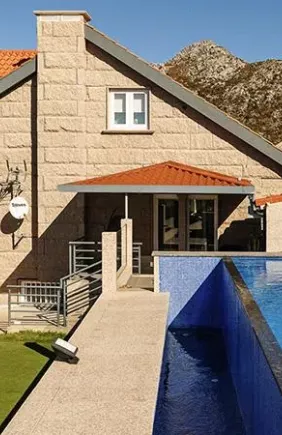
An urbanización in Spain is usually a planned residential development or housing community. It is not normally a town, village or separate municipality, even when its name appears as part of a property address.
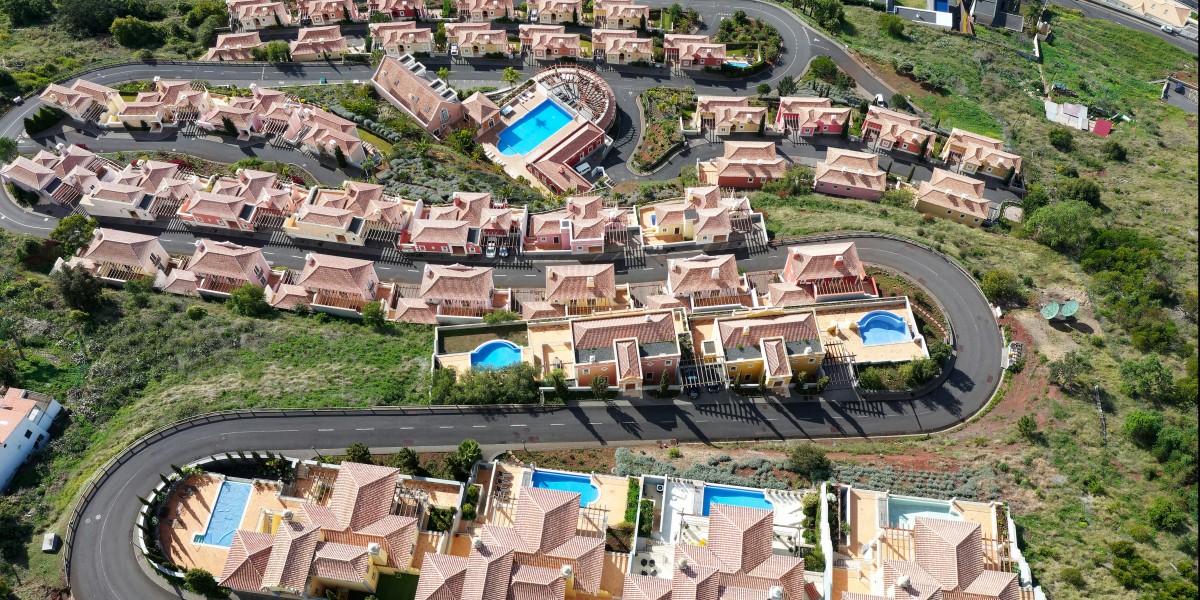
The term comes up regularly in listings around the Costa del Sol, Murcia, Costa Blanca, and the islands. It can refer to a modest group of homes sharing a road, a large apartment complex with a pool, or a spread-out villa estate with its own entrance and communal facilities.
For buyers and full-time residents, the important details are less about the label and more about how the particular development is run, the services available and the legal status of the individual property.
- Urbanización meaning in Spain: development versus town
- Living in an urbanisation in Spain: fees, facilities and daily life
- Buying property on an urbanisation in Spain: key checks
- Urbanisation or traditional town: the lifestyle trade-offs
- Popular areas with urbanisations in Spain
- Common misunderstandings about urbanizaciones in Spain
- Before buying: a quick urbanisation checklist
Urbanización meaning in Spain: development versus town
In everyday property language, an urbanización is a residential development where homes, plots, roads or shared spaces were created as part of a wider scheme. It may be close to a town centre, on the coast, beside a golf course or in a more rural part of the municipality.
An urbanisation can feel self-contained, particularly when it has shops, restaurants, a pool or security. It still does not automatically function as an independent town.
Is every urbanisation gated?
No. Gates, barriers and security are common in some developments, especially apartment complexes, golf communities and newer villa estates. They are not a defining feature.
Some urbanisations have open roads and no controlled entrance but still operate through a comunidad de propietarios. Others have a gate yet few shared facilities beyond access control and lighting.
Living in an urbanisation in Spain: fees, facilities and daily life
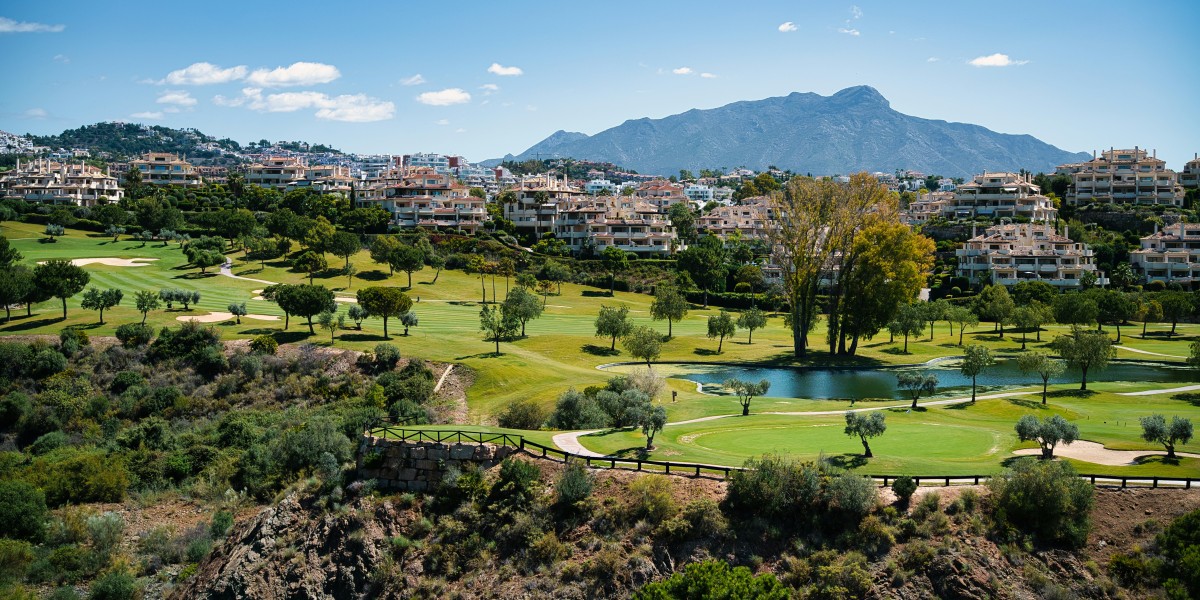
Life in an urbanisation can be straightforward and sociable, particularly in established residential areas with year-round neighbours. Shared pools, gardens, parking, sports courts, entrance systems and private security are possible features, though plenty of developments have none of these.
Where there is a comunidad de propietarios, owners generally contribute community fees towards agreed shared expenses. These may include building insurance, cleaning, gardening, pool maintenance, administration, lifts, gates or common areas.
Community fees are separate from IBI, Spain’s local property tax. They are also separate from household bills, including electricity, water and internet, unless the community agreement specifically states otherwise.
Daily life can look rather different in two urbanisations a few kilometres apart.
- Larger developments may have a small commercial area with cafés, supermarkets or a pharmacy.
- Smaller urbanizaciones require a drive for groceries, healthcare, schools and public transport.
Car use is often more common than in a traditional town centre, particularly in hillside, coastal or golf-oriented areas.
Buying property on an urbanisation in Spain: key checks
Buying property on an urbanisation in Spain involves the usual legal checks for any Spanish home, alongside a closer look at shared facilities and infrastructure.
The term urbanización does not confirm that a home is correctly registered, that extensions are permitted or that every service is maintained by the local council. Older, hillside or semi-rural urbanisations can need more careful investigation around drainage, road access, utility connections and later building works.
An independent lawyer with experience in the municipality should check the property itself, rather than relying on the development’s reputation or a seller’s description.
Urbanisation or traditional town: the lifestyle trade-offs
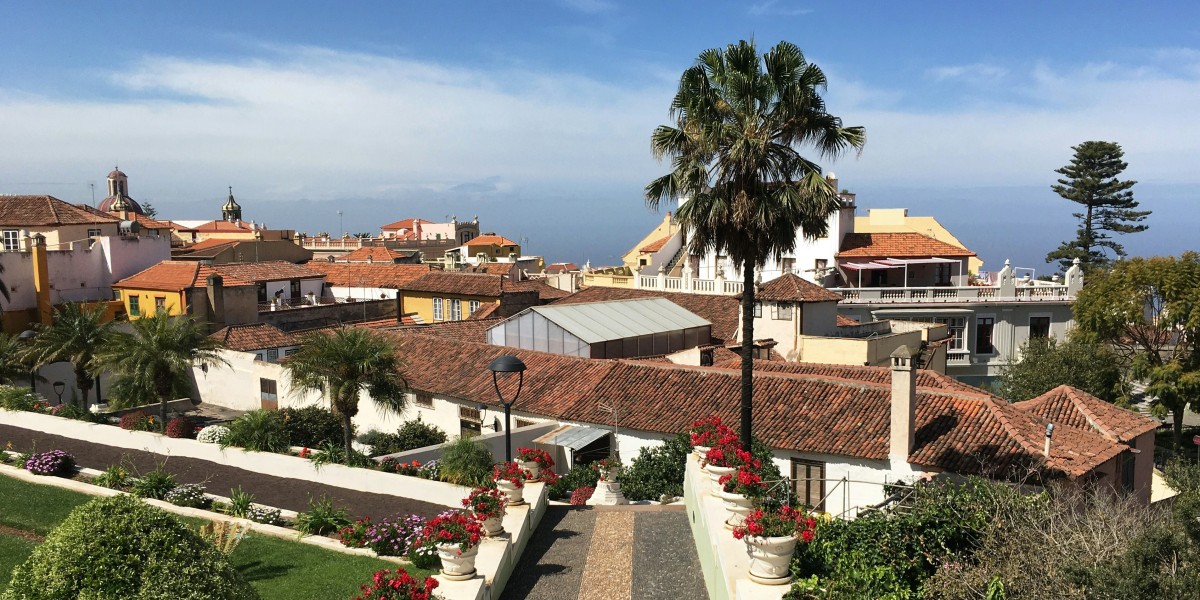
An urbanisation and a traditional Spanish town can suit very different routines. The right fit often comes down to daily needs, driving habits and the type of local life a household wants around it.
Urbanisation | Traditional town or village |
|---|---|
More likely to have private outdoor space | Shops, cafés and everyday services may be closer |
Shared pools, gardens or security in some developments | Public squares and municipal facilities are often part of daily life |
Often quieter and more residential | Less need to rely on a car in many locations |
International residents can be common in coastal areas | More regular contact with local businesses and residents |
Community fees may apply | Private shared facilities are less common |
There are exceptions on both sides. Some urbanisations have a strong year-round community and good nearby services, while a town-centre flat can mean noise, difficult parking and limited outdoor space.
Popular areas with urbanisations in Spain
Costa del Sol
Urbanisations are widespread around Marbella, Mijas, Benalmádena, Estepona and Nerja. The local mix includes apartment complexes, hillside villas, golf developments and long-established residential areas.
Proximity to the coast or a town centre can make a sizeable difference to transport, walking distances and access to year-round amenities.
Costa Blanca and Alicante province
The Costa Blanca has urbanisations around Jávea/Xàbia, Moraira, Calpe, Dénia, Torrevieja and the Orihuela Costa. The area includes coastal apartment developments, villa communities and more dispersed residential areas inland from the seafront.
Some places have a sizeable international population, but Spanish remains important for local administration, tradespeople and life beyond the immediate neighbourhood.
Murcia and the Costa Cálida
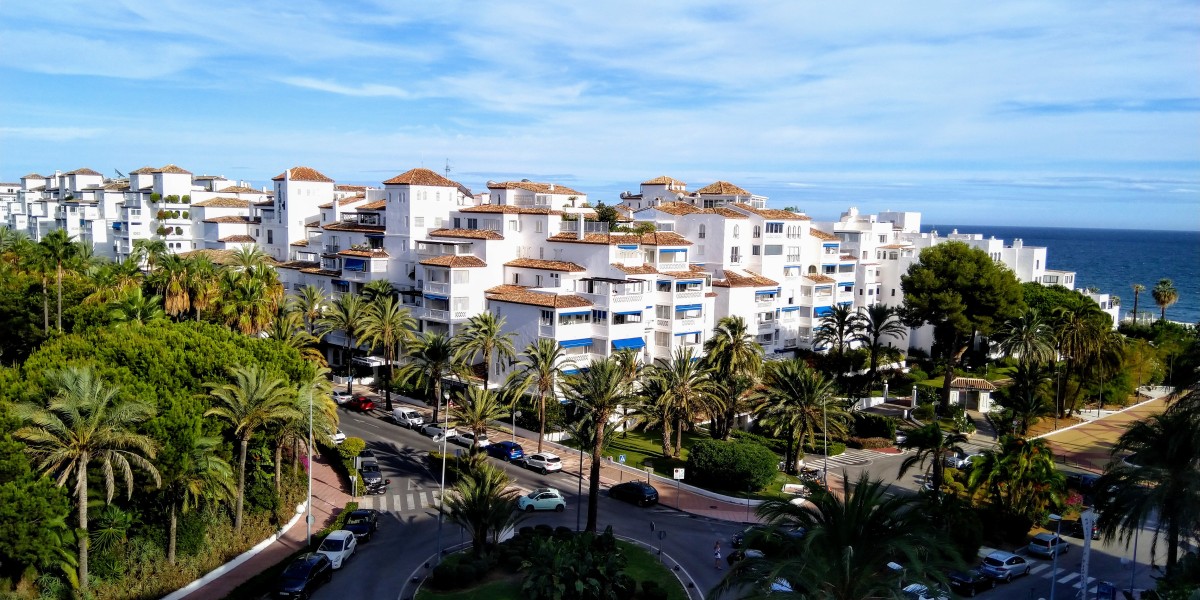
Urbanisations in Murcia range from golf-oriented developments to lower-density residential areas near Murcia, Mazarrón, San Javier and the Mar Menor. Services, transport and seasonal activity can differ sharply between locations, so practical visits matter as much as the view or the distance on a map.
Balearic and Canary Islands
The Balearic and Canary Islands have their own planning rules, geography and infrastructure pressures. Water supply, road access, seasonal demand and transport connections deserve particular attention in island locations, where the experience can vary considerably between municipalities and islands.
Common misunderstandings about urbanizaciones in Spain
An urbanisation is a separate town
Usually, it is not. An urbanisation is generally a residential area within a wider municipality, governed by the relevant council.
Every urbanisation has a pool, gates and security
These are possible features, not standard ones. Some developments share only roads, lighting or limited common areas.
Community fees cover every household expense
Community fees typically cover agreed shared costs. IBI, utility bills, rubbish charges and other property expenses are normally separate.
A long-established property has no planning issues
A home’s appearance or age is not proof that every structure, extension or pool has the correct documentation. Legal and technical checks remain essential.
English-speaking neighbours mean Spanish is unnecessary
International communities can make the first few months easier, but Spanish is still useful for administration, healthcare, local services and building everyday connections beyond the development.
Before buying: a quick urbanisation checklist
An urbanización can provide space, a quieter setting and shared facilities that are hard to find in a traditional town centre. The word itself does not guarantee any particular lifestyle, service level or legal position. The full address, community finances, infrastructure and paperwork tell the more useful story.
- Confirm the full legal address and municipality.
- Establish what the community fee covers and whether major works are planned.
- Request recent owners’ meeting minutes and confirmation of community debts.
- Check who maintains roads, lighting, gardens and shared facilities.
- Confirm water, drainage, electricity and broadband for the specific home.
- Verify the legal records for the house, pool and any later additions.
- Read rules affecting renovations, pets, parking and holiday lets.
- Visit outside peak holiday season if the property is intended for full-time living.
- Test journeys to supermarkets, healthcare, schools and public transport.
- Use an independent lawyer with local knowledge of the area.
Stay in the know about living in Spain as a foreigner—get our weekly newsletter for the latest travel, legal, and lifestyle news.