Life in the Balearic Islands can be wonderfully outdoorsy and sociable, but it needs a bit more planning than the holiday version suggests. Mallorca, Menorca, Ibiza and Formentera all come with clear upsides: sea on the doorstep, decent links to mainland Spain and a pace that suits people who prefer an evening paseo to a packed commuter train.
The trade-off is housing. Long-term homes are limited, particularly in sought-after coastal locations, and summer brings heavier traffic, fuller ferries and higher spending. Anyone considering living in the Balearic Islands needs a realistic budget, secure accommodation and a plan for work or income before arriving.
- Pros and cons of living in the Balearic Islands
- Cost of living in the Balearic Islands
- Choosing an island for year-round life
- Moving to Mallorca from the UK and other non-EU countries
- Work, remote income and tax residency in the Balearic Islands
- Language, integration and practical island culture
- Getting around and staying connected
Pros and cons of living in the Balearic Islands
The Balearics work well for people who value outdoor living, year-round light, local food and a smaller-scale routine.
The harder bits are less glamorous but far more important. Long-term rentals are scarce, tourism affects prices and availability, and island logistics can make routine errands more costly.

Daily life beyond the holiday season
Summer is the busiest period, with visitor traffic, packed roads and lengthy waits at popular restaurants or public services. Winter settles into a more local rhythm. Some seasonal businesses close, certain ferry and flight timetables reduce, and smaller resort areas can feel notably quiet.
Housing and long-term rental realities
Finding a year-round home is the hard graft. Holiday lets, limited supply and high demand mean long-term tenants often face proof-of-income checks, deposits and strong competition.
A legal long-term contract matters for padrón registration, the municipal register used for many day-to-day administrative tasks. Tourist accommodation does not necessarily provide a qualifying address, so clarify this before signing anything or paying a deposit.
- Long-term rentals in the Balearic Islands give a useful picture of current availability across the province.
- Property for sale in the Balearic Islands can help compare locations if buying is part of the plan.
Cost of living in the Balearic Islands
Housing tends to dictate the budget more than nearly any other expense. Property prices in Balears (Illes) averaged €5,595 per m² in August 2026. At that average, buying a 120m² home would come to roughly €671,400, before taxes, legal fees, mortgage costs and any refurbishment.

The average asking rent across the Balearic Islands was €20.0 per m².
An 80m² flat at that rate would cost about €1,600 per month.
(This provincial average hides serious local variation, particularly between Ibiza, Mallorca’s luxury coastal markets and more affordable inland towns.)
Formentera is the most expensive municipality in the Balearics for property, with prices at €9,443 per m².
- On Mallorca, Port d’Andratx averaged €10,565 per m², and Costa d’en Blanes reached €10,025 per m².
At the other end of Mallorca’s market, Petra averaged €2,415 per m², or about €289,800 for 120 m².
- Muro came in at €2,732 per m², which works out at approximately €327,840
- Inca averaged €3,004 per m², or around €360,480
Lower prices can mean more space and a quieter setting, but may also mean greater reliance on a car and longer journeys to Palma, the airport or specialist services.

Cost of living in Palma de Mallorca
Palma is the Balearics’ most practical urban base for many people, thanks to its public transport, healthcare, schools and all-year services. It's more affordable than Mallorca's most exclusive areas, but it is not cheap, particularly when rent is factored in. However, it can make it possible to manage without a car more easily than elsewhere on the islands.
According to Numbeo data, basic utilities for an 85m² flat, including electricity, heating, cooling, water and rubbish, average around €221.00 per month.
- A monthly public transport pass costs roughly €37.50
- A gym membership averages €55 per month.
Eating out is comparatively manageable, though central and waterfront venues can charge more. A meal at an inexpensive restaurant averages €16.50, while a mid-range dinner for two is around €60.
Cost of living in Ibiza
Ibiza’s overall budget is heavily shaped by accommodation, but everyday spending is higher too. Basic utilities for an 85m² apartment average around €191 per month, while gym membership sits at roughly €95 per month.
An inexpensive restaurant meal averages €20, and a mid-range meal for two is around €80. A beer averages €3, while a cappuccino costs roughly €2.90.
Everyday costs beyond housing
Utilities vary with a home’s size and efficiency, particularly where air conditioning is used heavily. Water is another consideration during dry periods, when conservation measures may affect day-to-day routines.
Choosing an island for year-round life
No single island suits everyone. The sensible choice usually comes down to housing security, reliable income, access to services and how comfortable life feels after the summer crowds have gone.
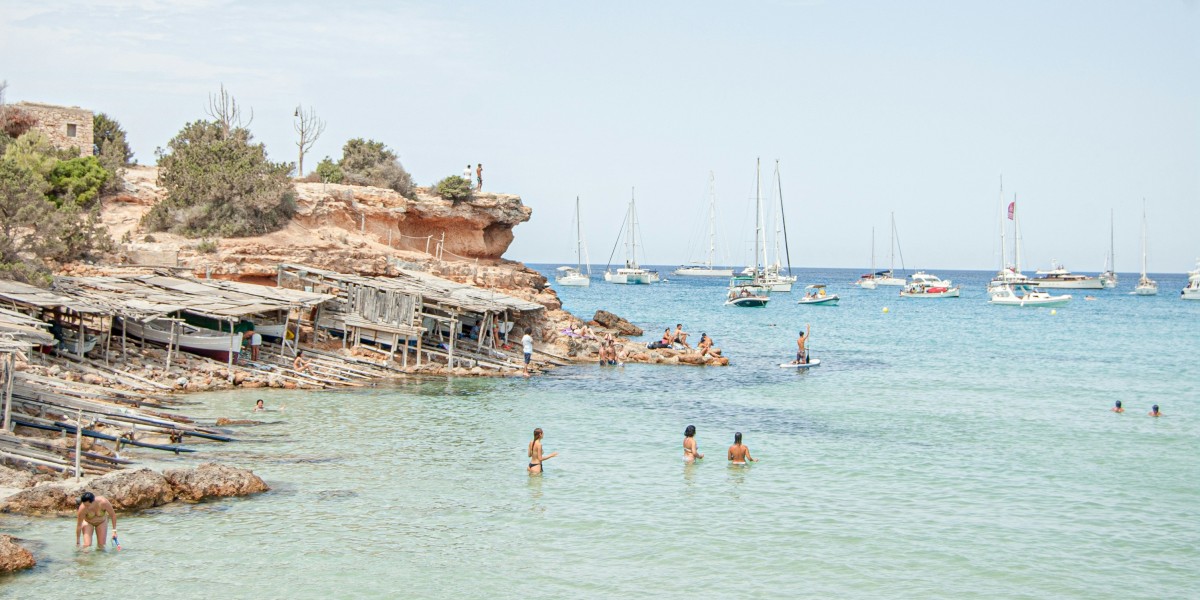
Quick island comparison
Mallorca has the widest range of towns, work opportunities, schools, hospitals and transport options. Palma gives it a proper city centre, while inland and coastal areas create very different lifestyles.
Menorca is smaller and generally quieter, with a strong local identity and a more limited rental and job market. It can suit people who already have income or employment sorted, but winter connections and specialist services are more restricted.
Ibiza has a broad international population and a sizeable tourism economy, but accommodation is under persistent strain.
Formentera has the smallest market and fewest year-round facilities. Secure income and accommodation are particularly important, with travel via Ibiza needed for many connections.
Moving to Mallorca from the UK and other non-EU countries
UK citizens can move to Mallorca, but post-Brexit rules mean a holiday stay and a relocation are two very different things. Stays beyond the short-visit allowance generally require a suitable Spanish residence route, depending on work plans, income and personal circumstances.
Common routes can include employment-based residence, self-employment, remote-work options and non-lucrative residence for people with sufficient independent funds. Buying a property does not, by itself, provide residency rights.

Work, remote income and tax residency in the Balearic Islands
Tourism, hospitality, property services and leisure bring seasonal jobs, mainly between spring and early autumn. They can be a useful starting point, though short contracts do not always cover high year-round housing costs.
Spanish broadens job options, while Catalan is useful in public-facing roles, education and administration. English-speaking work exists in tourism, international education and property, but competition can be strong.
Tax and work considerations for new residents
The 183-day rule is a helpful starting point for Spanish tax residency, but authorities may also consider where someone works, keeps their main home and has their economic and personal ties.
Anyone working for an overseas employer, receiving a pension, running a business or registering as an autónomo should seek current professional advice. Social security contributions, double-taxation agreements and cross-border arrangements can all affect the final position.
Language, integration and practical island culture
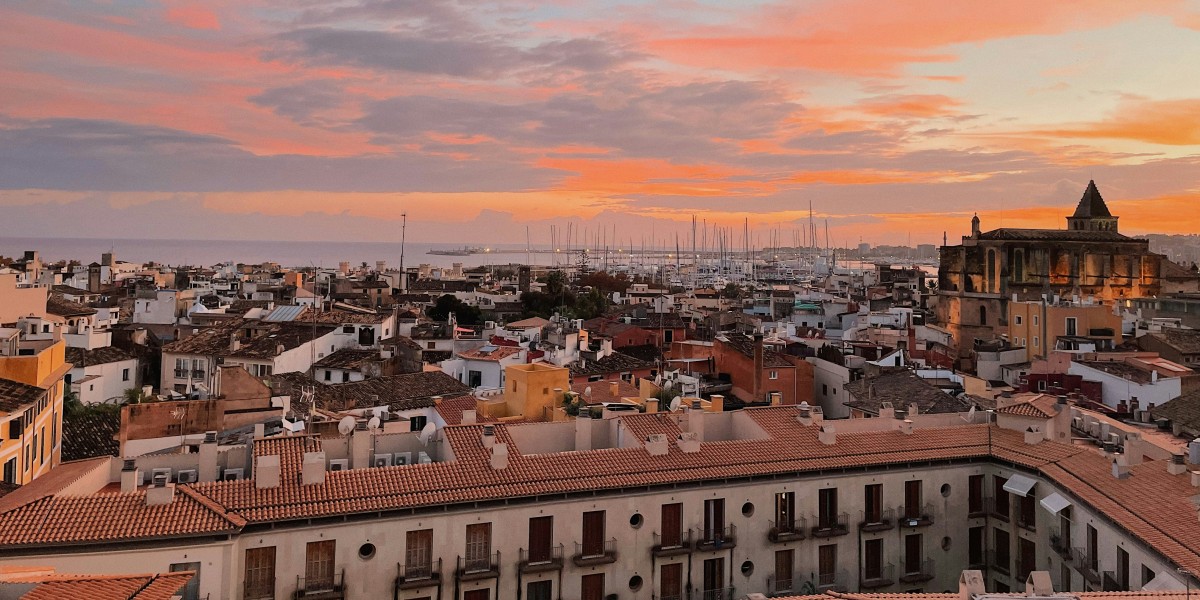
Spanish and Catalan are used across the Balearic Islands, with Catalan common in schools, administration and public signage. Local forms such as Mallorcan and Menorcan are an important part of island identity.
Conversational Spanish helps with the practical bits of life, while a few Catalan phrases show consideration for local culture.
British residents and international communities in Mallorca
British residents live across Mallorca, with larger international communities around Palma, the south-west, the north and some coastal towns. English-speaking services can be easier to find there, although housing demand and prices are often higher.
These are not British enclaves. Mallorca has long-established local communities alongside residents from elsewhere in Spain and abroad.
Getting around and staying connected
Mallorca has the strongest public transport network in the Balearics, including buses and rail connections from Palma. Elsewhere, buses can be useful but less frequent, especially in winter. A car can be close to essential in rural areas or places with limited services.
Flights connect the islands with mainland Spain and other European cities, while ferries link Mallorca, Menorca, Ibiza and Formentera with each other and with ports such as Barcelona and Valencia. Timetables change by season, and weather can occasionally disrupt sea crossings.
Stay in the know about living in Spain as a foreigner—get our weekly newsletter for the latest travel, legal, and lifestyle news.