

This small Balearic island is all turquoise coves, dusty tracks and lazy sunsets, but living in Formentera full-time is a very different story from a week’s holiday. Day‑to‑day life here means thinking about seasonal work, higher prices and a quieter, slower rhythm for much of the year.
What’s it like living on Formentera?
Day‑to‑day life on Formentera feels very laid‑back and village‑like, with the sea almost always in sight. Summers are busy and buzzing with tourists and seasonal workers, and you’re never far from protected spots like the Ses Salines Natural Park.
You’ll get used to planning around ferry times, higher prices and a job market that revolves around tourism. It’s also one of the Balearic hotspots that often features in round‑ups of the areas where foreigners want to buy a house in Spain, so housing can feel competitive. However, in exchange, you have clean beaches, clear water and a strong sense of safety and familiarity.
Living in Formentera: pros and cons
Life on Formentera has a very specific feel, and it tends to suit people who care more about sea views and fresh air than big-city buzz. There’s a lot to love, but also a few quirks that can be deal-breakers if you need nightlife, year-round work or endless services.
Some of the pros of life in Formentera include:
- Nature on your doorstep
Clear, shallow water, long sandy stretches and quiet rocky coves are part of daily life. Formentera's beaches are among the cleanest in Europe, and you can usually swim comfortably for a good chunk of the year. - Safe, close-knit atmosphere
It still feels like a place where people know their neighbours. There’s a strong sense of security and belonging. - Traditions and local culture
Summer fiestas, small village celebrations and local markets offering typical Balearic cuisine keep the island’s identity front and centre.
Some of the cons of life in Formentera include:
- Seasonal economy and limited work
The job market is heavily tied to tourism, so most opportunities are concentrated in the summer months. - Higher prices and fewer services
Many goods are brought in by sea, which pushes up prices compared with mainland Spain.
Best neighbourhoods: where to live on Formentera

Choosing where to live in Formentera has a big impact on your quality of life. Some areas feel more like small, sleepy villages, while others are very seasonal and tourist‑driven.
Sant Francesc Xavier
Sant Francesc Xavier is the island’s main hub and administrative centre, and it has the liveliest year‑round feel. Around the central square you’ll find cafés, small boutiques, banks and basic services.
It suits people who want to be connected: you’re a short drive from different beaches, but you still have a bit of a social scene outside the peak summer season.
El Pilar de la Mola
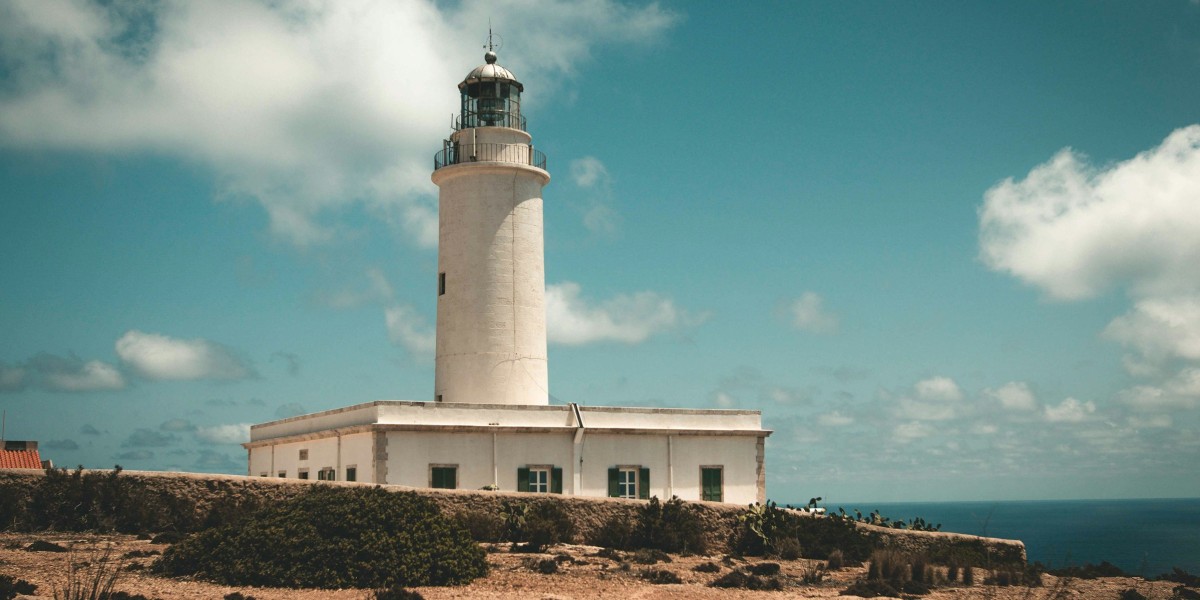
Perched on the eastern plateau, El Pilar de la Mola feels more remote and traditional. The village is known for its dramatic lighthouse, clifftop views and regular craft markets, where local artisans sell jewellery, leatherwork and art.
Life here is quieter and more rural, with fewer services and a cooler breeze thanks to the height. It suits people who enjoy countryside calm, don’t mind driving for beaches and are happy with a more isolated feel in winter.
Es Pujols
Es Pujols is the most obviously touristy part of Formentera, with seafront hotels, beach clubs and plenty of restaurants and bars. In summer, it’s busy and social, with a good choice of places to eat and drink within walking distance.
The flip side is that it can be noisy in high season and quieter outside it, with a more limited year‑round community. It’s popular with people who want to live by the sea, enjoy a bit of nightlife in summer and don’t mind seasonal crowds.
Cost of living in Formentera

The cost of living in Formentera is firmly on the high side, especially once housing is involved. Eating out isn’t outrageous by northern European standards, but it’s not exactly cheap either. A simple main course at an inexpensive restaurant comes in at around €16, while a meal for two at a mid‑range place usually lands somewhere between €70 and €100.
Grabbing a beer out is roughly €3.50, and a coffee at a café costs about €3. Basic utilities for an 85 m² flat hover around €200 per month, which is fairly standard for Spain but can feel steep when you factor in everything else.
Cost of real estate on Formentera
Housing is where Formentera really jumps, with the Balearic Islands currently Spain’s priciest province for purchasing a home. As of November 2025, property prices in Formentera averaged around €8,941 per m². This makes it the most expensive municipality in the Balearic Islands, where the overall average was €5,114 per m².
Rent prices in the Balearics averaged €19.1 per m² in the same month, so an 80 m² apartment would typically cost about €1,528 per month. The cheapest apartments to rent in Formentera start from €1,000, and the island is usually at the upper end of that range.
Working on Formentera

Work on Formentera is very much tied to the seasons, with most jobs appearing between late spring and early autumn. The bulk of opportunities sit in the tourism and hospitality sector. There’s also some work linked to agriculture and local crafts, but it’s on a much smaller scale and usually better suited to people who are already well connected locally.
If you’re thinking about working in Formentera, it helps a lot to arrive with a contract lined up or a skill that transfers easily into the summer economy. Bars, restaurants and hotels tend to favour people with language skills, especially English and Italian, alongside Spanish. Seasonal employers also really value flexibility and stamina, as hours can be long and shifts change with demand.
Outside the high season, jobs are thinner on the ground, so many residents either save during summer, work remotely, or combine island life with occasional stints in Ibiza or on the mainland.
Living in Formentera vs. living in Ibiza?

These two islands sit next to each other on the map, but feel quite different once you’re actually living there. Formentera is small, quiet and very local, with life centred on beaches, bikes and a close‑knit year‑round community. Ibiza has that village, countryside side too, but layered with busy towns, proper nightlife, more services and a much bigger job market.
Costs are a bit of a reality check on both. Property prices in Ibiza averaged around €6,790 per m² in November 2025, which is high, but still below Formentera’s average. Rent prices in Ibiza were about €30.5 per m² in August 2025, so an 80 m² flat would typically be around €2,440 per month. Formentera’s rental stock is smaller and very seasonal, so you can end up paying similar or more in summer, with fewer options.
Can I live on Formentera all year?
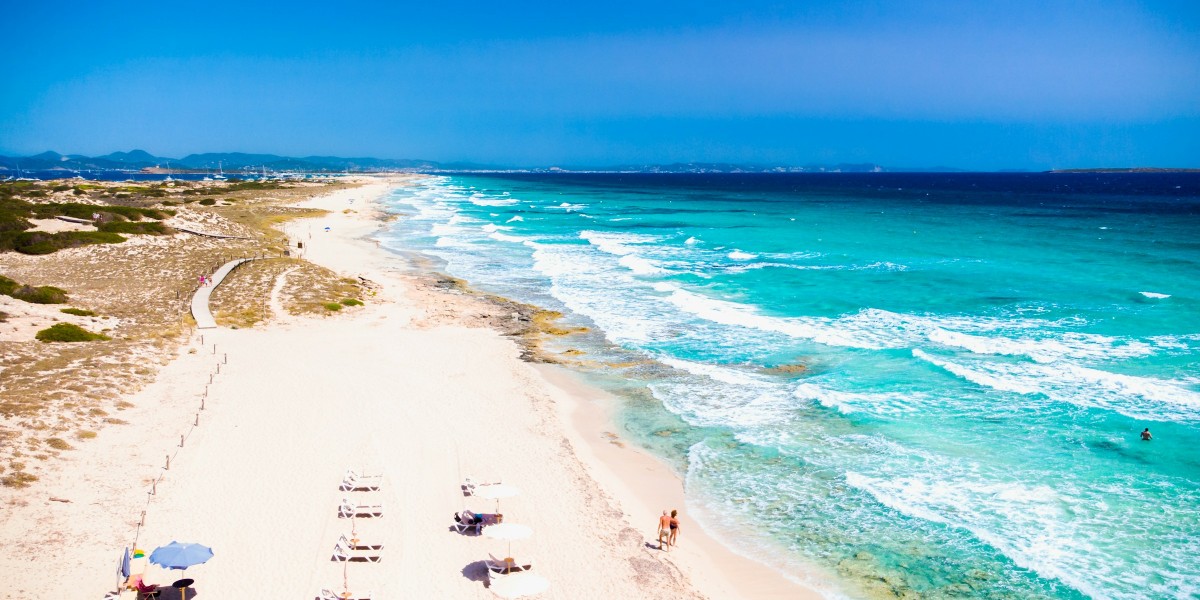
Once the peak season ends, the island shrinks back from around 35,000 people in summer to a core community of roughly 7,000 residents.
- Roads quieten right down, beaches feel almost private and daily life becomes slower and more local.
- With fewer tourists, it can be easier to find medium‑term rentals, and some landlords are more flexible on price outside high season.
- On the downside, many restaurants, shops and beach bars close, public transport runs less often, and work dries up if you rely on tourism or hospitality.
- You need to be happy with quieter evenings, planning ahead for ferries to Ibiza and a limited social scene.
Stay in the know about living in Spain as a foreigner—get our weekly newsletter for the latest travel, legal, and lifestyle news.
For a taste of the high life, sign up for the monthly luxury market round-up.

Living in Ibiza: real cost of living and tips on moving
Set in the crystal-clear waters of the Mediterranean, Ibiza is much more than just a party island—it’s a place with breathtaking beaches, charismatic towns, and a relaxed way of life that appeals to a diverse international community. While Ibiza’s reputation for nightlife and summer festivities is world-famous, its quality of life, rich culture, and natural surroundings make it a tempting choice for those seeking a permanent change of scene.