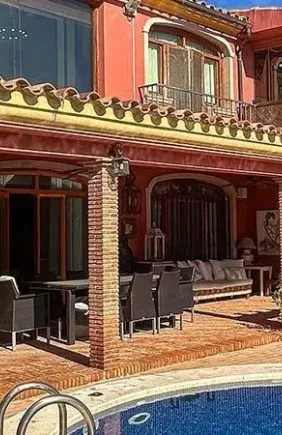
The August solar eclipse in Spain this year crosses much of the country, and projections suggest up to 10 million visitors will witness the event. The rural tourism sector is already feeling the impact, with Airbnb reporting a sharp jump in searches for accommodation in towns and villages along the eclipse corridor.
August 2026 solar eclipse: why it is driving a booking boom
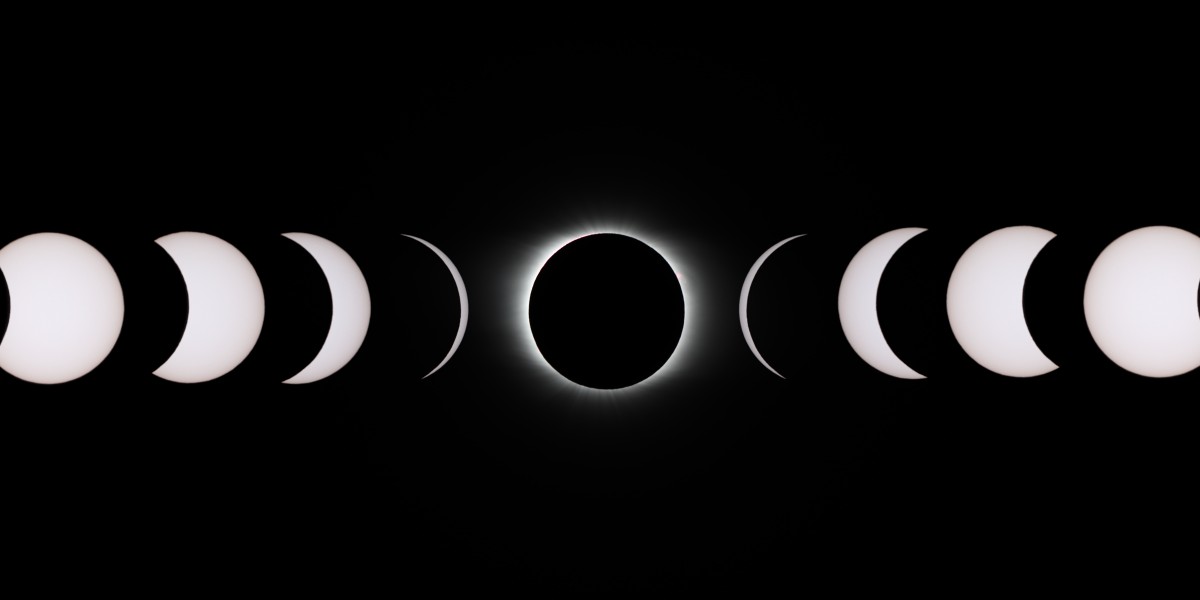
On 12 August 2026, a total solar eclipse will cross Spain from Galicia in the north‑west to the Balearic Islands in the Mediterranean. It will be the first time in more than a century that the country will sit in the path of totality. The phenomenon coincides with the traditional summer holidays, turning an already busy August week into a major travel moment.
The eclipse is feeding into a wider shift towards “event tourism” that is shaping travel plans for 2026. Airbnb data indicate that around 65% of the most searched dates and destinations worldwide next year are tied to major happenings. These include the Winter Olympics, the FIFA World Cup, Coachella and headline festivals in Spain.
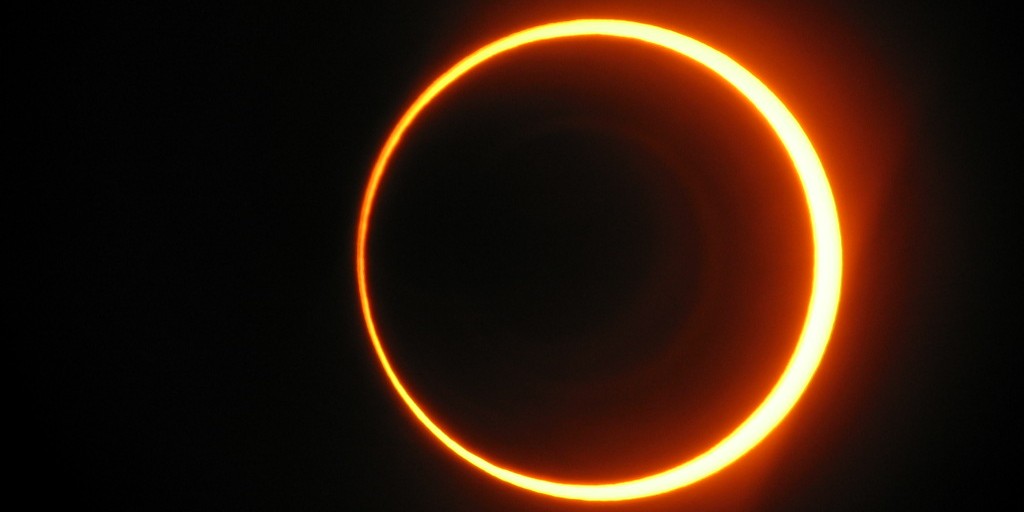
830% surge in holiday rental searches
According to Airbnb, searches for accommodation in towns and cities along the path of totality have risen by around 830% compared with typical levels for the same week. The corridor stretches across Galicia, Castile and León, Aragon, Catalonia, the Valencian Community and out to the Balearic Islands.
Instead of focusing on established August hotspots, travellers are targeting rural municipalities that promise clear skies and darker night conditions. The spike is overlaying the usual seasonal rush with a highly localised surge in specific eclipse‑viewing belts, placing intense pressure on the limited accommodation stock available there.
Rural Spain: limited hotels and advantage for holiday rentals
Around 75% of rural municipalities in Spain lack any hotel infrastructure, according to AFI (Analistas Financieros Internacionales). In many of the villages and small towns that lie under the path of totality, the only scalable form of accommodation is short‑term rentals in private homes.
In municipalities on the eclipse route, the supply of listings on Airbnb already exceeds hotel capacity by a ratio of 40 to 1. For the week of 12 August 2026, it is therefore hosts rather than hoteliers who will absorb most of the extra demand.
Where visitors are going: key eclipse destinations in Spain

Within the strip of totality, a cluster of specific towns and small cities has emerged as the most searched‑for bases on Airbnb, and some of the best places to see the eclipse.
This will resonate with travellers who are already planning a solar eclipse trip to Spain in 2026, as rural places quickly book up.
Region | Towns and small cities |
|---|---|
Aragon | Teruel, Huesca, Ariza, Aliaga, Arcos de las Salinas, Daroca |
Castilla‑La Mancha | Guadalajara |
Catalonia | Reus |
Valencian Community | Aras de los Olmos |
Balearic Islands | Valldemossa (Mallorca) |
International visitors and spending power in small Spanish towns
The surge is being driven by high‑spending international visitors, whose presence is especially significant in small municipalities. Leading source markets are the United States, the United Kingdom and Spain. There is also additional demand from France, Germany, the Netherlands, Italy, Canada, Slovakia and Belgium.
In the most rural areas, international guests tend to spend more on leisure, activities and local services, providing a disproportionate boost to family businesses, local shops and self‑employed workers.
Based on a report by AFI in June 2025, the economic impact on municipalities with fewer than 10,000 inhabitants:
- More than 13 million tourists stayed in short‑term rentals in 2024
- Tourists generated around €5.563 billion in direct spending
- International visitors accounted for about €3.87 billion of that total, compared with €1.69 billion by domestic tourists.
Families, groups and the rise of eclipse‑driven astrotourism
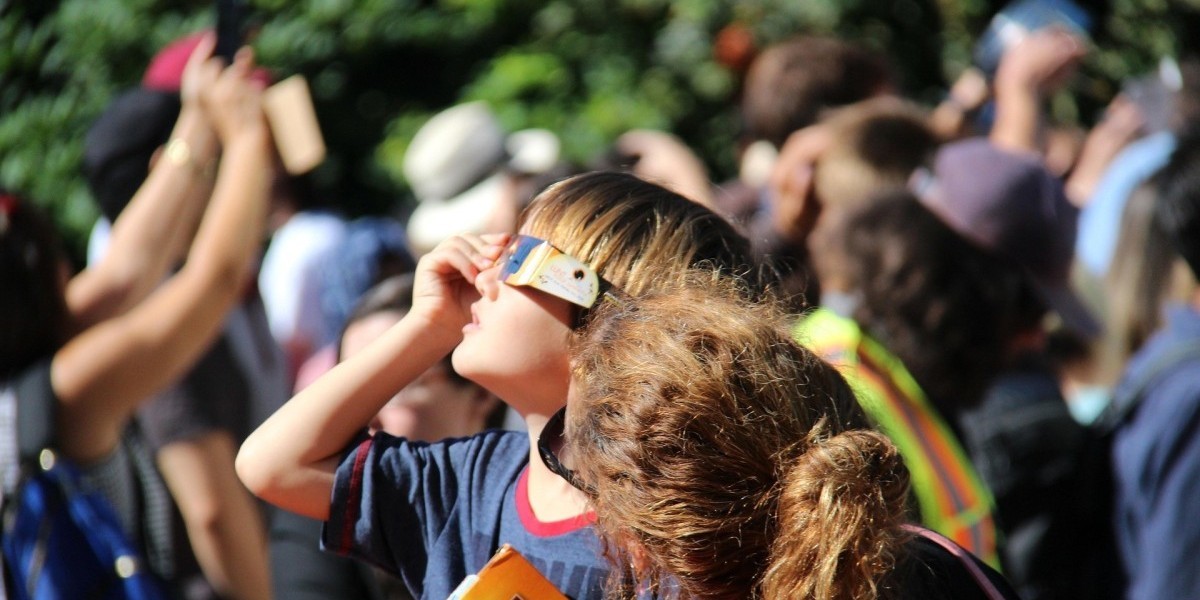
Rather than a niche outing for lone astronomy fans, the eclipse is being planned as a shared holiday experience. Hosts and local operators are responding by bundling accommodation with night‑sky experiences. Offerings include guided stargazing sessions, expert‑led talks on the eclipse, late‑night field trips to dark‑sky viewpoints and visits to observatories.
Pueblos Mágicos and the ‘Iberian trio’
The August 2026 event is also the opening act in what some in the sector have dubbed the “Iberian trio”: three eclipses and related astronomical phenomena expected to cross the Iberian Peninsula in 2026, 2027 and 2028. For Spain’s network of Pueblos Mágicos, this represents a multi‑year window rather than a one‑day spike.
The association, which groups around 170 municipalities recognised for their cultural and natural heritage, estimates that almost half of these Magic Towns lie within the visibility zones of the forthcoming eclipses. Many are in sparsely populated corners of Aragon, Asturias, Castile and León, the Basque Country and Galicia.
What the eclipse means for Spain’s rural tourism model
The 2026 total solar eclipse highlights the dependence of many inland areas on short‑term rentals to accommodate visitors. This raises familiar questions about regulation, housing affordability and the balance between tourism and local needs. At the same time, it shows how targeted events can channel demand away from saturated beach resorts and major cities towards under‑visited regions seeking new sources of income.
For policymakers and local leaders, the challenge will lie in turning a one‑off celestial alignment into something more durable. Managed carefully, the “Iberian trio” could support a more distributed pattern of tourism, with higher‑spending international visitors discovering small towns, spending money in local economies and returning outside peak August dates.
Stay inspired for your travels in Spain—get our weekly newsletter for the latest travel guides, cultural news, and lifestyle tips.