In Roquetes, a typical neighbourhood in Barcelona, La Morada puts a quietly radical idea into brick, timber and shared tables. Opened in October 2024, the 12-home cooperative is Catalonia’s first feminist and sexually dissident housing project: a long-term right-to-use model where residents do not buy their individual flats.
Created by women, lesbians and trans people with backgrounds in feminist organising, La Morada centres everyday care, shared responsibility and room for community.
A different kind of home in Roquetes, Nou Barris
La Morada stands by Plaça de les Dones de Nou Barris. Its 12 protected homes are part of a wider local conversation about housing that sits outside the usual buy-or-rent binary.
The cooperative was formed around the wish to build a way of living that does not treat the couple or nuclear family as the only default. Shared care is part of the day-to-day thinking, rather than something left to squeeze into an already packed week.
The project’s location matters, too. Roquetes has faced rising rents, and La Morada was developed on privately owned land bought by Fundació La Dinamo and put to community use.
Shared spaces designed for real life
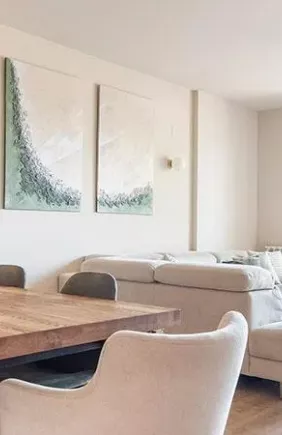
The most appealing bit of La Morada is how much attention has gone into the ordinary rhythms of a home. Alongside private flats, residents share a kitchen and dining area, laundry, guest room, flexible workspace and creative area, plus communal terraces.
There is a garden terrace on the roof, where solar panels sit above the building, and each home has its own outdoor terrace facing the square.
Barcelona architecture cooperative Lacol developed the building alongside future residents. The layout is intended to adapt as the households and their needs change over time.
How La Morada’s cooperative model works
La Morada uses the Catalan cessió d’ús model, often translated as “cession of use”. Residents do not purchase their homes individually. Instead, the cooperative holds the right to use and manage the building on land leased for 60 years, with a possible extension to 75 years.
Fundació La Dinamo purchased the plot in 2018 and selected La Morada through an open call. This arrangement is designed to keep the homes in cooperative hands and outside speculative property cycles over the long term.
An eco-conscious building with a neighbourhood role
Lacol’s building has an A-rated energy certificate, with solar panels, aerothermal heating and underfloor heating. It has also been reported as having zero CO₂ emissions.
There is also a 66m² commercial space on the ground floor. The plan is to rent it to a cooperative, a social-economy organisation or a non-profit, so the building can have a role beyond the people who live there.
Why La Morada matters in Barcelona
For anyone interested in how Barcelona is experimenting with community-led living, La Morada is a reminder that housing can be about more than square metres and market value. Sometimes it starts with a shared kitchen, a decent guest room and a group of people deciding that care should have a place in the floor plan.
Stay in the know about living in Spain as a foreigner—get our weekly newsletter for the latest travel, legal, and lifestyle news.