

Today, video surveillance cameras with recording and live-streaming capabilities are available at very low cost, allowing homeowners to monitor their property affordably, which is especially useful when away for long periods.
While indoor cameras generally raise fewer issues, the situation changes outdoors. Exterior cameras inevitably capture images of others, particularly in blocks of flats. In this article, we answer all your questions about the legal and practical implications.
- Is it legal to install surveillance cameras inside your home in Spain?
- Can home security cameras be directed at the street?
- How to legally install cameras in your home in Spain
- Fines for not complying with the law
- What happens if a neighbour has a camera pointed at my house?
- Where to buy home security cameras
Is it legal to install surveillance cameras inside your home in Spain?
Although it is legal to install cameras in your home in Spain, their use and placement are strictly regulated. Recording people without their consent, or sharing images or audio – even if captured within your own property – can constitute a criminal offence and carry penalties. Cameras should be used solely for security purposes, particularly when the home is unoccupied, and not to record visitors, as this may infringe their right to privacy and image.
It is advisable to inform any staff working in the home of the presence of cameras. Installing cameras in bathrooms or changing rooms is strictly prohibited.
Hidden cameras are not allowed in rented properties, and tenants must be notified if cameras are in use. Additionally, because this constitutes a form of data collection, data protection regulations must be observed.
Can home security cameras be directed at the street?
Video surveillance, particularly the installation of cameras on building façades, often sparks debate and raises questions about legality, privacy protection and compliance with current legislation.
It is important first to distinguish between private homes and multi-unit buildings:
- In the case of single-family homes, owners have greater freedom to install cameras on their façades, as anyone recorded without permission is likely an intruder.
- In multi-unit buildings, however, installing video surveillance in shared areas – such as hallways, courtyards or car parks – requires the formal consent of the owners' association.
In such properties, including housing developments or buildings with horizontal property divisions, obtaining permission may be required.
It should be noted that even with the community’s permission, the law imposes strict limits: only images of the communal areas may be recorded, and filming public spaces or the street is strictly prohibited, except for a small area immediately adjacent to the building’s entrances.
How to legally install cameras in your home in Spain
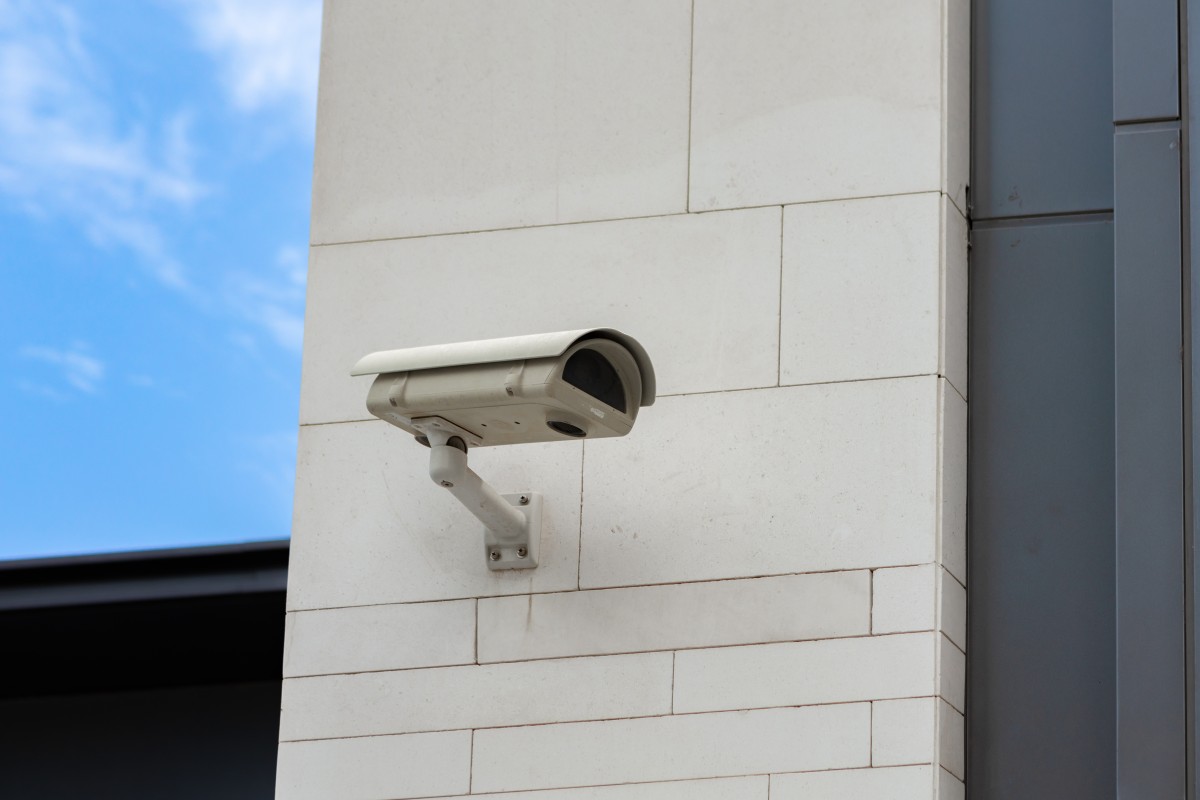
The installation of cameras on the façade of a private residence must comply with Spain’s current data protection regulations. This involves following several requirements to ensure their use is lawful and respects privacy:
- Post a notice: People who may appear on camera should be informed, for example, through clear signage.
- Limit data collection: Personal data captured should be restricted to what is strictly necessary for security purposes. Avoid recording areas not directly related to home security.
- Right of access: Individuals recorded have the right to request and access footage in which they appear.
- Secure storage: Captured images must be stored safely, with access restricted to authorised persons only.
- No filming of public areas: Recording public spaces is prohibited, as it infringes on others’ privacy. If unavoidable due to technical constraints, additional measures, such as notices, should be implemented.
- Adjust camera angles: Ensure cameras focus solely on your property and do not capture neighbouring homes or public areas.
- Use area masking: Many systems allow parts of the image to be blocked. If the frame includes public or communal spaces, this feature should be used to prevent unauthorised recording.
- Disable audio: Recording sound increases legal risk, particularly when third parties are involved. Video alone is generally sufficient, so it is advisable to mute microphones.
Following these measures helps keep your home secure while staying within the law and protecting the privacy of others.
Fines for not complying with the law
Failure to comply with data protection laws can lead to significant financial penalties. The Spanish Data Protection Agency may impose fines for the following scenarios, among others:
- Cameras that record streets or pavements without a justified cause.
- Devices aimed at communal areas in residential buildings.
- Systems lacking proper signage or adequate security measures.
If an illegal recording is reported and the breach is confirmed, fines can reach €6,000 or more, depending on the severity of the infraction.
What happens if a neighbour has a camera pointed at my house?
It is illegal for a camera to be aimed at your home or to record your property without your consent. Cameras must not continuously capture communal areas or public streets. Even if the owner claims the device does not record or is merely a deterrent, its positioning can still constitute a breach of the law. You can request that the camera be repositioned or removed, and warn that you can report it if they fail to do so.
Where to buy home security cameras
On Amazon, you can find affordable video surveillance cameras that work via Wi-Fi, offering live streaming, image storage with alerts or even simple pet monitoring.
- TP-Link TAPO – 1080P (€21.99)
- EZVIZ 360° Indoor WiFi Security Camera (€27.99)
- LAXIHUB 1080P Indoor WiFi Security Camera (€36.99)