Spain’s ghost stories are often tied to real buildings, former hospitals, unexplained deaths and abandoned places. And the haunted houses in Spain range from abandoned sanatoriums and historic mansions to a Madrid theatre and an entire village linked with paranormal stories.
These are ten Spanish haunted places with long-standing local legends, particularly fitting for Halloween 2026.
Casa de las Siete Chimeneas, Madrid
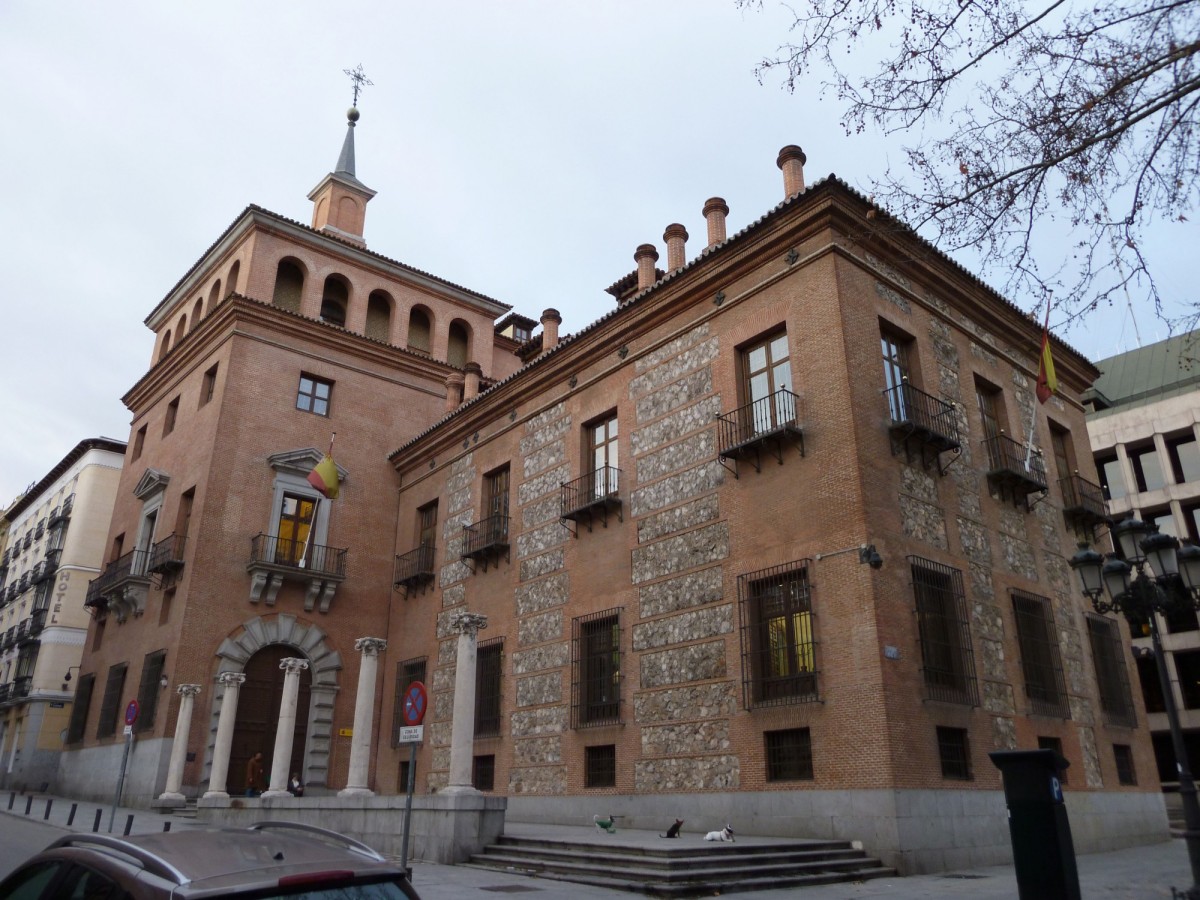
Casa de las Siete Chimeneas stands in Plaza del Rey, in central Madrid. Local legend links the house to Captain Zapata and his wife Elena. After the captain reportedly died in battle in Flanders, Elena was found dead in their bedroom under unclear circumstances. Her body was then said to have disappeared.
The reported apparition is a woman seen walking across the roof among the seven chimneys that gave the building its name.
Thorax Hospital, Terrassa
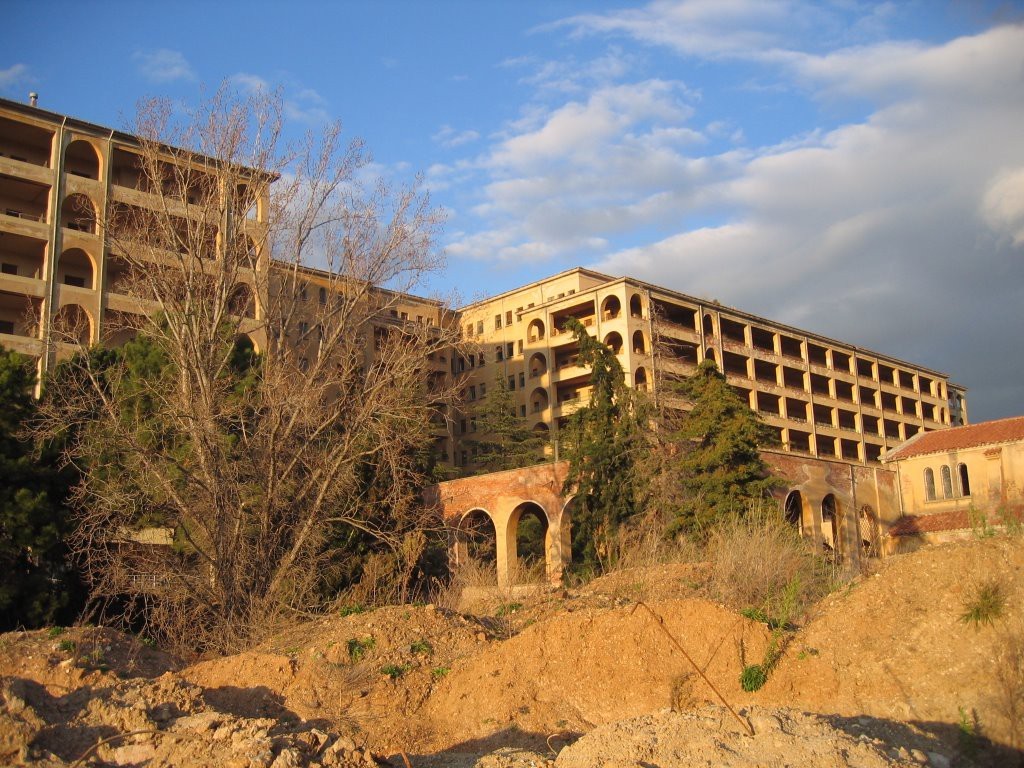
The former Thorax Hospital in Terrassa, near Barcelona, treated severe respiratory illnesses. It later gained a bleak reputation because of stories of patient suffering and deaths. It also gained a grim reputation for having the highest suicide rate among medical centres in Spain. Paranormal accounts focus on the building’s abandoned corridors and gardens.
Stories refer to the ninth-floor garden area as “the Jungle”, after reports that patients had fallen or been thrown from the building.
- Find holiday rentals in Terrassa
- Find properties for sale in Terrassa
- Find long-term rentals in Terrassa
Cortijo Jurado, Málaga
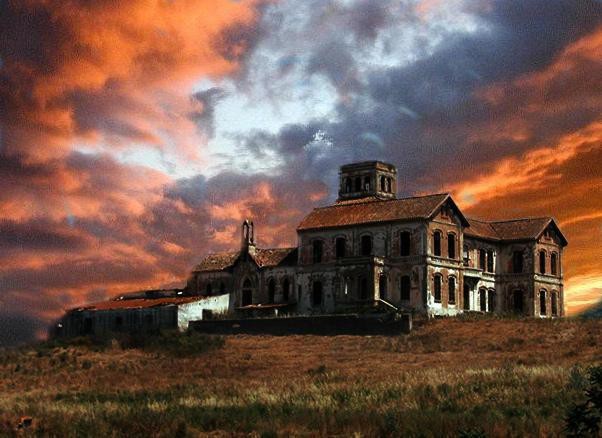
Cortijo Jurado is a large 19th-century mansion in the Campanillas area of Málaga. It has become one of the most talked-about haunted houses in southern Spain because of long-running stories involving unexplained disappearances and figures at the windows.
The Heredia family, known for their high social standing, were the proprietors of this estate and have been implicated in the mysterious disappearances of several girls, allegedly linked to satanic rituals.
Some versions of the legend claim there are torture instruments in the basement and victims buried beneath the property.
Sanatorium of Santo Ángel de la Guarda, Madrid
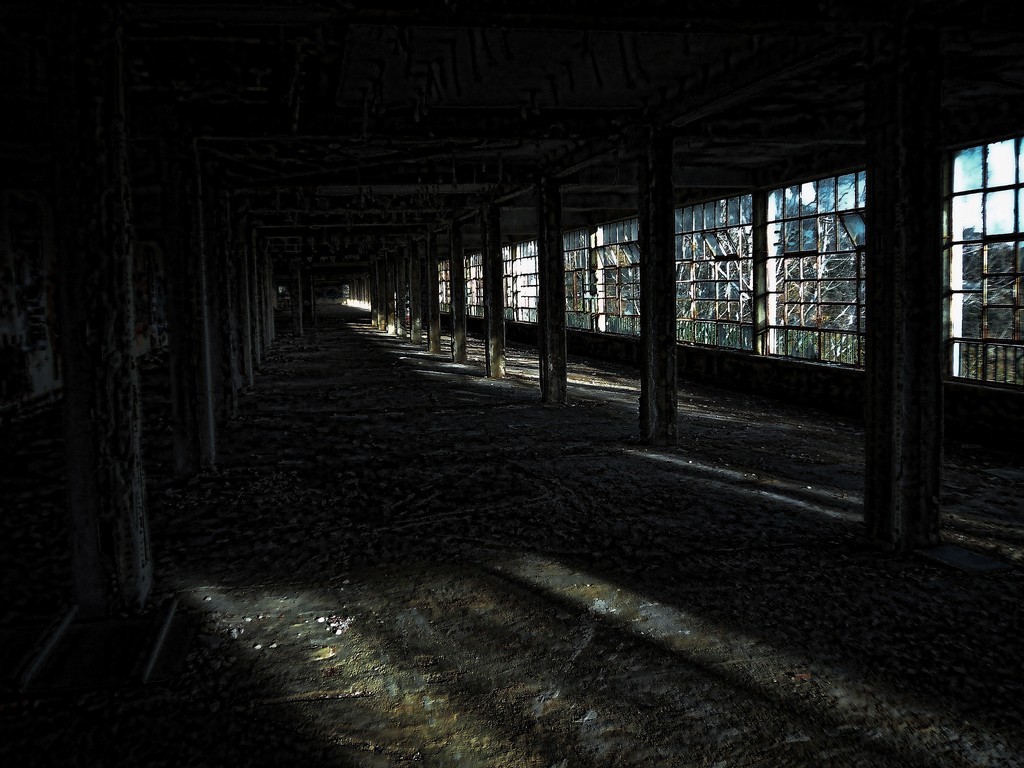
The Sanatorium of Santo Ángel de la Guarda, in the Madrid region, opened in 1941 to treat serious illnesses including tuberculosis, leprosy, polio, fibrosis and lung cancer. It later became a psychiatric hospital before closing in 1995.
Visitors once reported finding patient records and personal possessions inside, though access has changed over time and should not be assumed.
Former visitors have described unexplained electrical faults, doors slamming, and distant lights in the overgrown grounds that resembled moving lanterns.
Ochate, Burgos
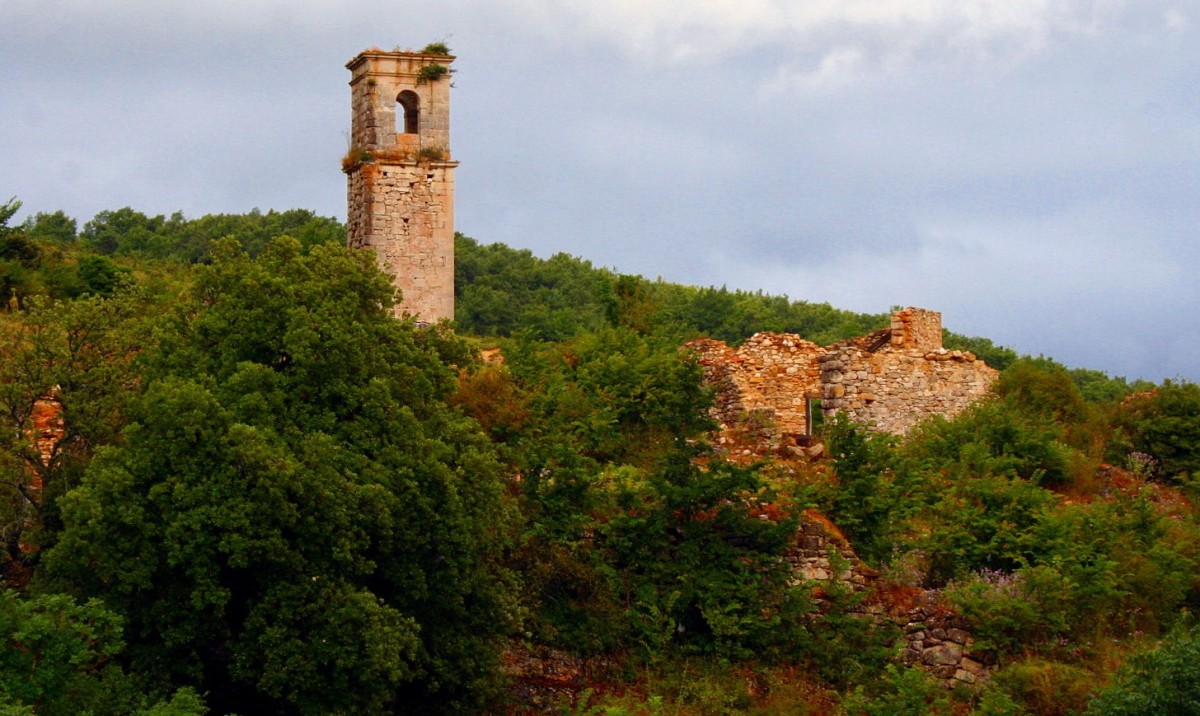
Ochate, in the province of Burgos, is not simply a haunted house but a village often linked to paranormal stories. It has been abandoned since the mid-19th century, following epidemics that reportedly devastated its population.
A UFO sighting was reported in the area in 1981, adding an extraterrestrial chapter to its already eerie reputation.
Casa Lercaro, Tenerife
Casa Lercaro, on Calle de San Agustín in La Laguna, Tenerife, dates to the late 16th century. Its best-known legend concerns Catalina Lercaro, believed to have been the daughter of Antonio Lercaro.
According to the story, Catalina was forced to marry an older man and took her own life by jumping into a well behind the house. The well has since been sealed behind a wall.
Legend says Catalina was denied a Christian burial because of her death and that her spirit remains in the house. The story also places her body within one of its rooms.
- Find holiday rentals in Tenerife
- Find property for sale in Tenerife
- Find long-term rentals in Tenerife
Preventorium of Aguas de Busot, Alicante
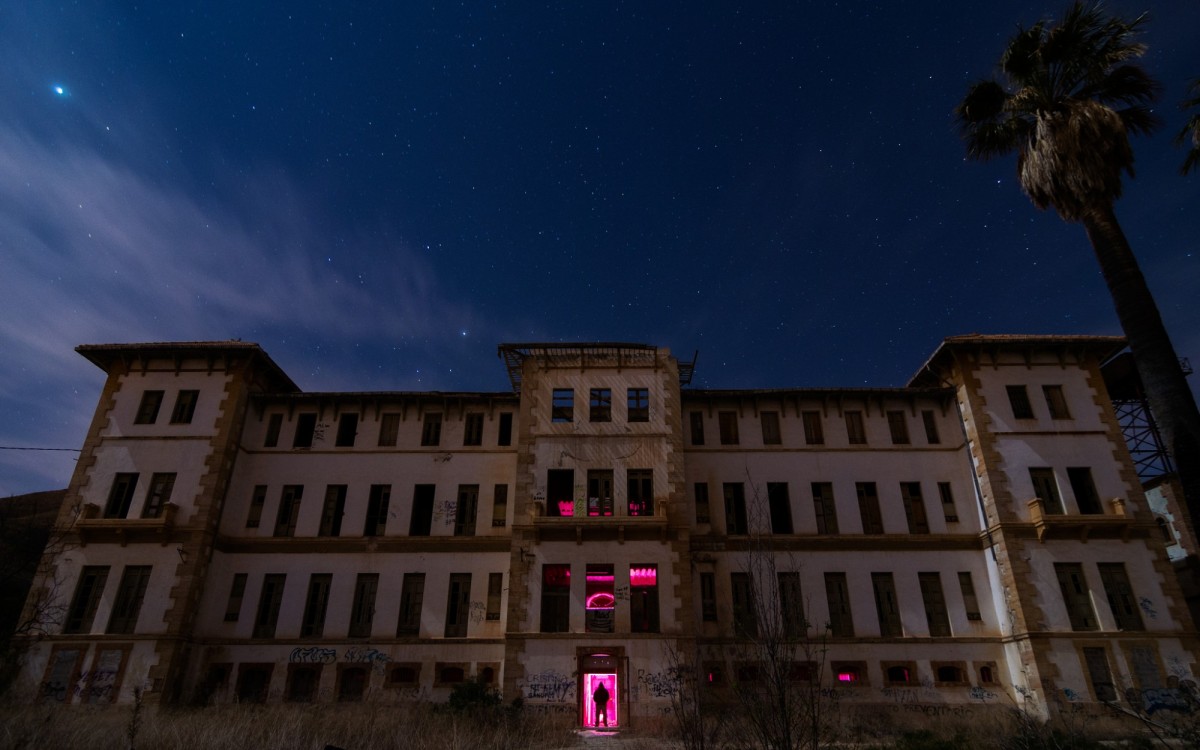
The Preventorium of Aguas de Busot, near Alicante, is an abandoned sanatorium that treated children with tuberculosis during the early 20th century. Its derelict setting and difficult history have made it a frequent subject of paranormal stories.
Reports associated with the site include voices without a visible source and sounds said to resemble children crying or playing.
- Find holiday rentals in Alicante
- Find property for sale in Alicante
- Find long-term rentals in Alicante
Old Provincial Council building, Granada

The former Provincial Council of Granada building is linked to an unsettling discovery during construction work, when human bones were found on the site. Later reports from people working there described strange noises, sudden gusts of wind, lights and ghostly presences.
The unexplained lights reported inside the building became one of the details most often repeated by staff who said they had experienced unusual activity.
Bélmez de la Moraleda, Jaén
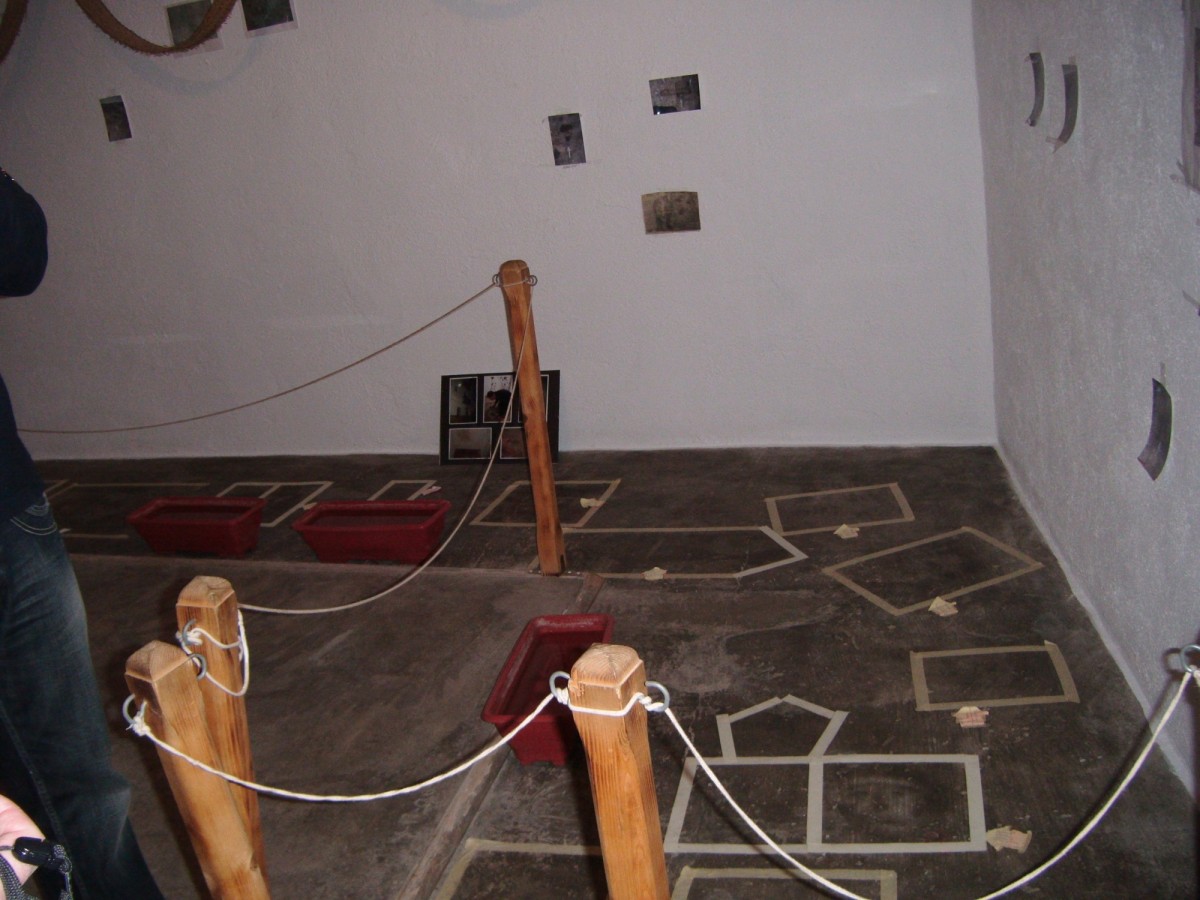
The small town of Bélmez de la Moraleda, in Jaén, is associated with the caras de Bélmez or Faces of Bélmez. Since 1971, markings resembling human faces have reportedly appeared and disappeared on walls and floors in a house at Calle Real 5.
The alleged faces were still being reported in 2024, more than 50 years after the first sightings, and the case became one of Spain’s most widely discussed paranormal mysteries.
Teatro Eslava, Madrid
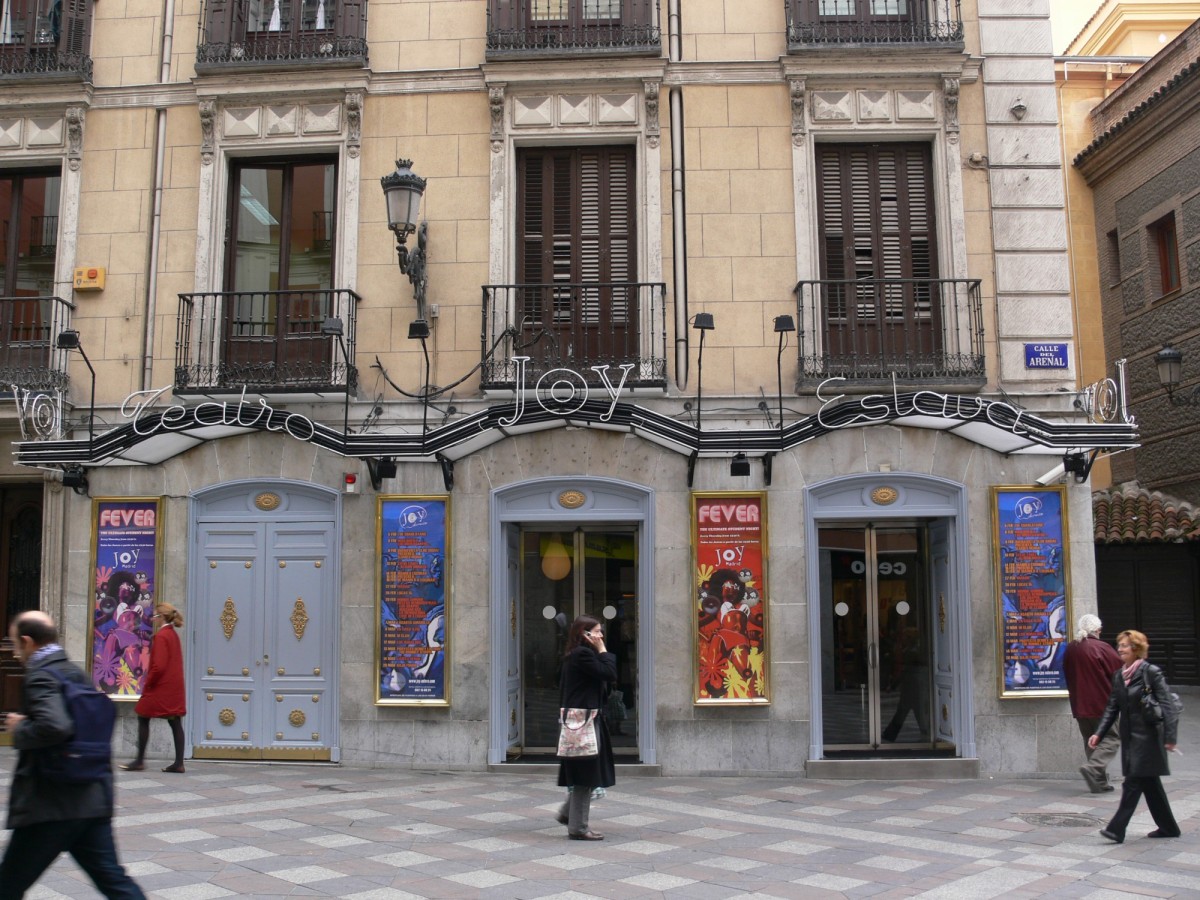
Teatro Eslava sits in the centre of Madrid and now operates as a nightclub and concert venue. Its ghost story is tied to playwright Luis Antón, who was murdered there on 2 March 1922 by Alfonso Vidal after a dispute involving literary rivalry and a woman.
The tale says Luis Antón’s spirit still wanders the former theatre, supposedly troubling late-night revellers rather than theatre audiences.
Stay inspired for your adventures in Spain—get our weekly newsletter for the latest travel guides, cultural news, and lifestyle tips.