Short city breaks in Spain are changing. In 2026, travellers are quietly moving away from overcrowded capitals and rediscovering smaller, character‑filled cities where culture, food, beaches, and local life fit effortlessly into a long weekend.
From Roman ports by the Mediterranean to Atlantic cities shaped by seafood and sea air, these are the Spanish city breaks that feel exciting right now — places that reward curiosity, not crowds.
If you’re planning a weekend away this year, these are the cities worth putting on your list.
- Why Spanish city breaks feel different in 2026
- Valencia: where the future meets the sea
- Cadiz: old, Atlantic and effortlessly cool
- A Coruña: Galicia’s coastal capital
- Tarragona: Roman history, Mediterranean calm
- Gijón: food, green spaces and the Cantabrian Sea
- Seville: a classic that still feels alive
- Spanish city breaks with beaches (worth watching in 2026)
- Planning a Spanish city break this year
Why Spanish city breaks feel different in 2026
Several travel trends are shaping how people explore Spain this year:
- Travellers are prioritising walkable cities over big capitals
- Food‑led travel is more influential than sightseeing alone
- Coastal cities with culture are outperforming inland destinations
- There’s growing interest in “second cities” — authentic, lived‑in places
Spain happens to offer all of this in abundance.
Valencia: where the future meets the sea
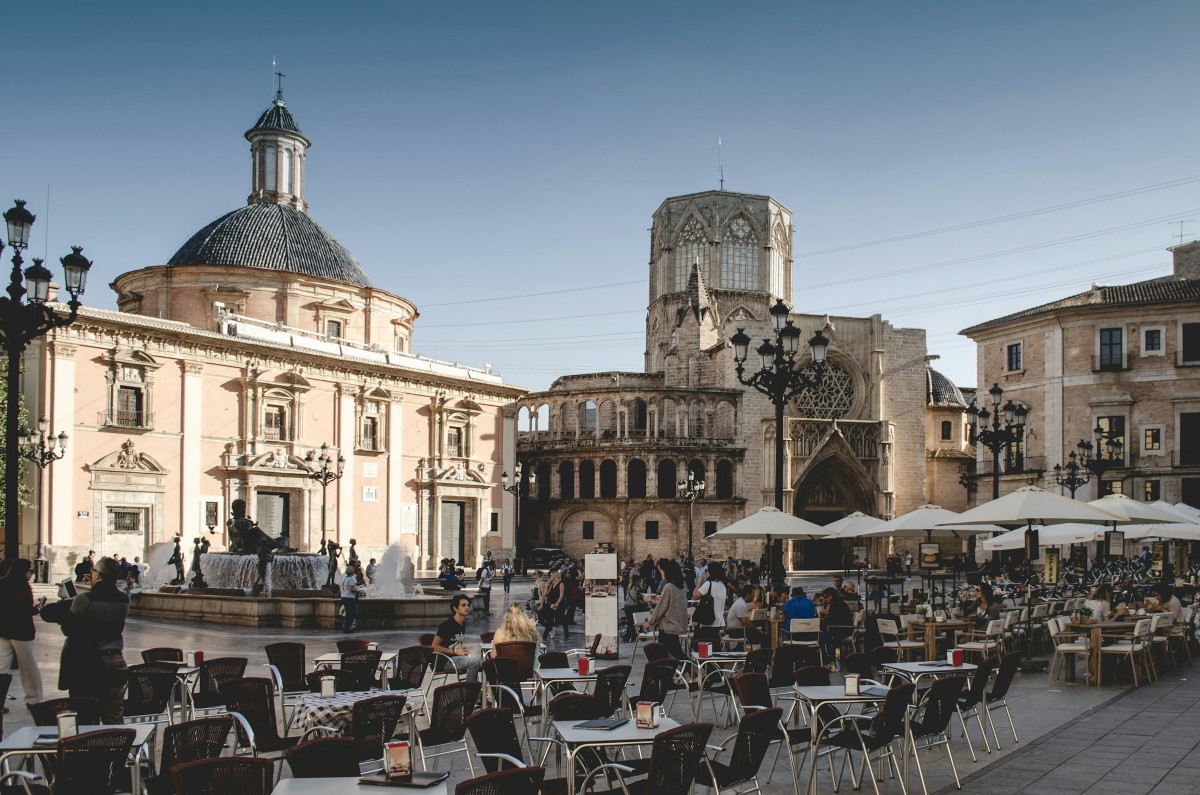
Valencia has quietly become one of Spain’s most balanced city breaks. It’s modern without feeling cold, historic without being stuck in the past, and relaxed without ever being dull.
The futuristic City of Arts and Sciences contrasts beautifully with the winding streets of the old town, while long stretches of beach are just minutes from the centre. In 2026, Valencia stands out for one simple reason: everything works.
Add in some of the best food in Spain — including the original paella — and it’s easy to see why this city keeps appearing on travellers’ shortlists.
Cadiz: old, Atlantic and effortlessly cool

There’s something about Cádiz that stays with you. Surrounded almost entirely by the Atlantic, this ancient Andalusian city feels more Caribbean than European — sun‑washed, musical, and deeply local.
It’s one of the oldest cities in Europe, but its energy is youthful, especially in the evenings when the streets fill with locals and sea air. Cádiz is also a favourite among food lovers, thanks to its seafood traditions and proximity to some of Spain’s most celebrated restaurants.
If you want an authentic Spanish city break that feels genuinely different, Cádiz is hard to beat.
A Coruña: Galicia’s coastal capital
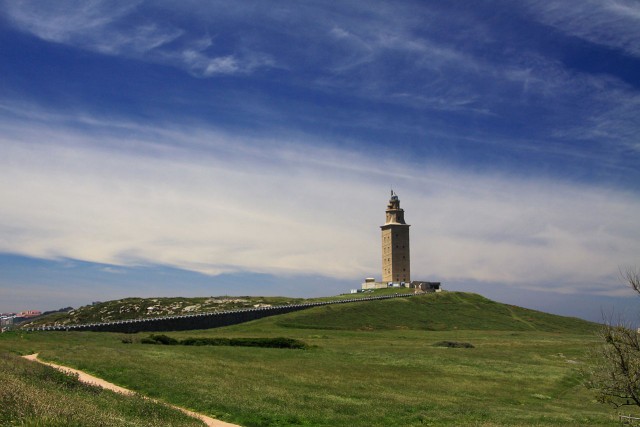
Northern Spain continues to grow in popularity, and A Coruña is one of the main reasons why. This Galician city is shaped by the sea, from its dramatic coastline to its outstanding seafood culture.
Two urban beaches sit right next to the centre, and the city’s most iconic landmark — the Tower of Hercules, the world’s only still‑active Roman lighthouse — watches over the Atlantic.
In 2026, A Coruña appeals to travellers looking for cooler temperatures, fresh food, and a city that feels proudly itself.
Tarragona: Roman history, Mediterranean calm
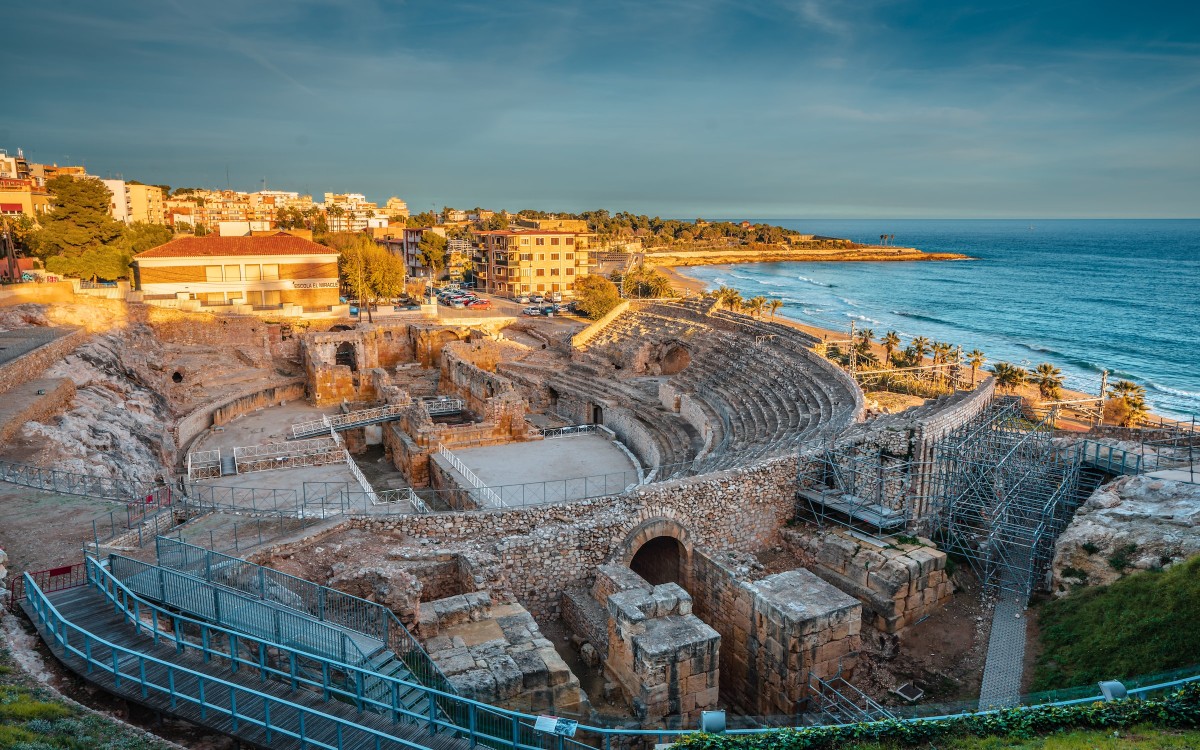
Tarragona is one of those cities people wish they’d discovered earlier. Once known as Tarraco, it was a cornerstone of the Roman Empire in Hispania, and its archaeological legacy is exceptional.
The Roman amphitheatre, perched above the Mediterranean, is reason enough to visit. But what really defines Tarragona is how effortlessly history and daily life coexist — ancient ruins, quiet beaches, and relaxed Catalan rhythms all within walking distance.
It’s ideal for travellers who love culture, but don’t want a hectic city break.
Gijón: food, green spaces and the Cantabrian Sea

Gijón feels grounded in the best possible way. Located in Asturias, this northern coastal city combines beaches, parks, and strong culinary traditions with a deep sense of local identity.
Its historic Cimadevilla neighbourhood sits between the sea and the hills, while Playa de San Lorenzo stretches along the city’s edge — perfect for long walks at any time of year.
Add Asturian classics like fabada, cachopo, and natural cider, and Gijón becomes a city break centred on comfort, flavour, and landscape.
Seville: a classic that still feels alive
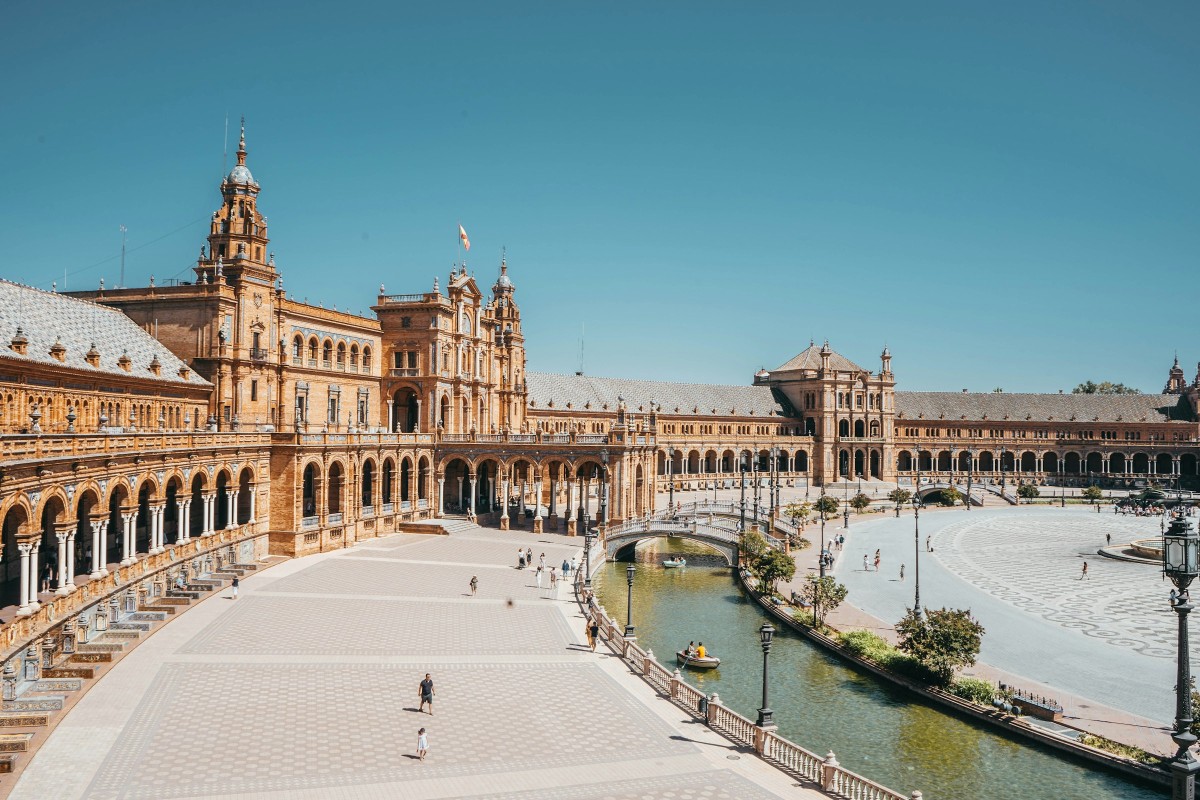
Some cities never lose their magic, and Seville is one of them. In 2026, it remains one of Spain’s most emotionally rich city breaks — intense, beautiful, and deeply expressive.
From the Gothic grandeur of the Cathedral to the intricate Moorish details of the Alcázar, Seville rewards slow exploration. Evenings belong to tapas bars, flamenco rhythms, and long conversations in candle‑lit plazas.
If you’re visiting Spain for the first time — or returning for the atmosphere — Seville still delivers.
Spanish city breaks with beaches (worth watching in 2026)
If beach access matters as much as culture, these cities continue to stand out:
- Málaga – Museums, Moorish history, and urban beaches
- San Sebastián – Food‑led travel and one of Europe’s most beautiful bays
- Alicante – Easygoing, sunny, and ideal for short stays
- Palma de Mallorca – Culture in the city, calas just outside
- Las Palmas de Gran Canaria – Year‑round warmth and beach‑city balance
Planning a Spanish city break this year
- Spring and autumn remain the sweet spot for weather and crowds
- Embrace late dinners and slower afternoons — it’s part of the experience
- Walk as much as possible: Spanish cities reward wandering
- Always leave room for dessert (churros, crema catalana, local pastries)
In 2026, the best Spanish city breaks aren’t about ticking off landmarks.
They’re about atmosphere, food, and finding places that feel real — even if you’re only there for a weekend.