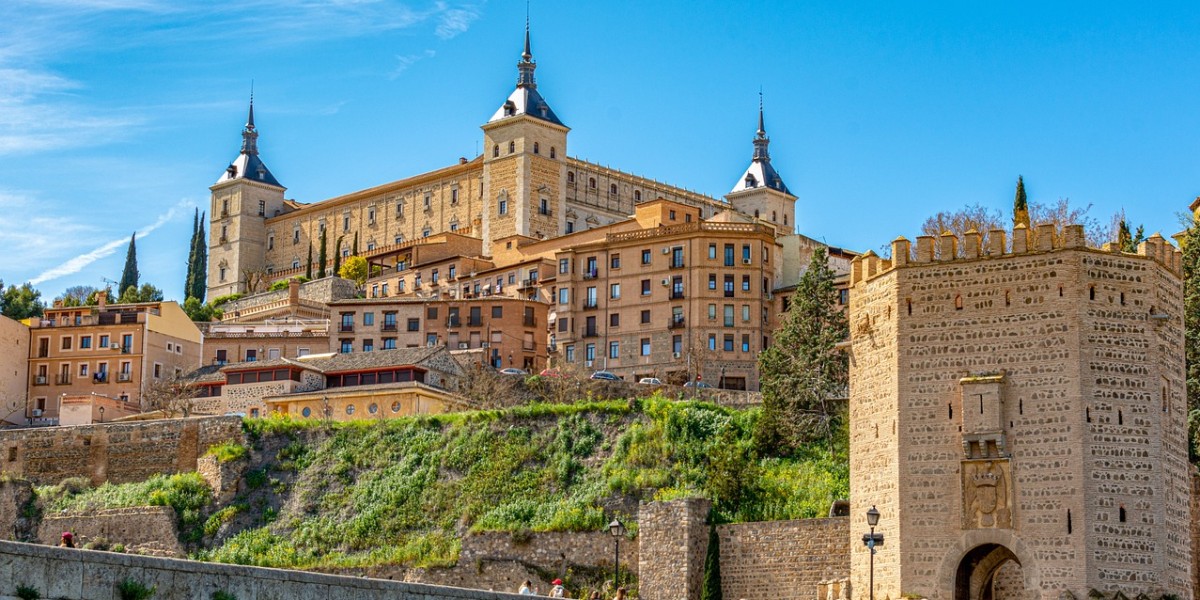

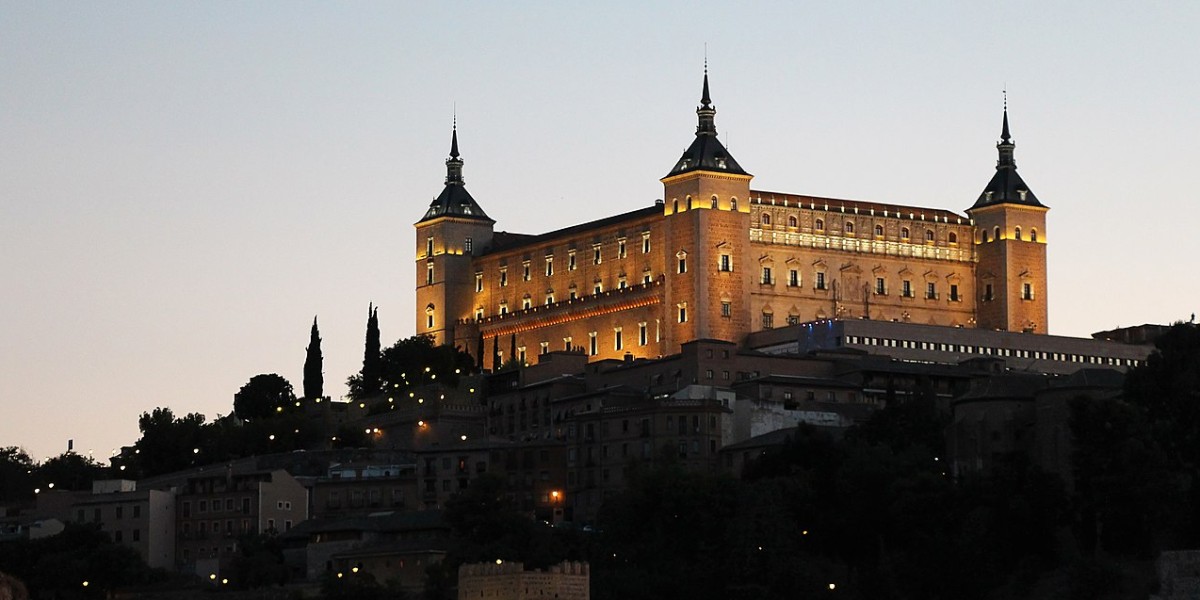
The Alcázar of Toledo is one of Spain’s most iconic landmarks. This imposing structure stands as a testament to the city’s rich history and reflects the many cultures and civilisations that have shaped it over the centuries.
From its Roman origins to its present role as the Army Museum, the Alcázar’s story is as fascinating as it is enduring. Here’s everything you need to know to make the most of your visit to this Toledo treasure.
The Alcázar of Toledo's history
The Alcázar of Toledo traces its origins to Roman times, when it was constructed as a fortress to defend the city. Under the Visigoths, it became a royal residence, reflecting its strategic and political significance.
In the Middle Ages, the Muslims rebuilt it as a fortified palace, ushering in a period of cultural and architectural splendour. Following the Reconquista, Islamic and Christian styles merged, creating a unique blend that still defines its appearance. The building was later extensively remodelled during the reign of Charles V, who commissioned its transformation into an imperial residence.
During the Spanish Civil War, the Alcázar became a powerful symbol of resistance, enduring a prolonged siege. Almost completely rebuilt afterwards, its design was carefully preserved. Today, it houses the Army Museum, home to collections that chart Spain’s military history.
Spaces inside the Alcázar of Toledo
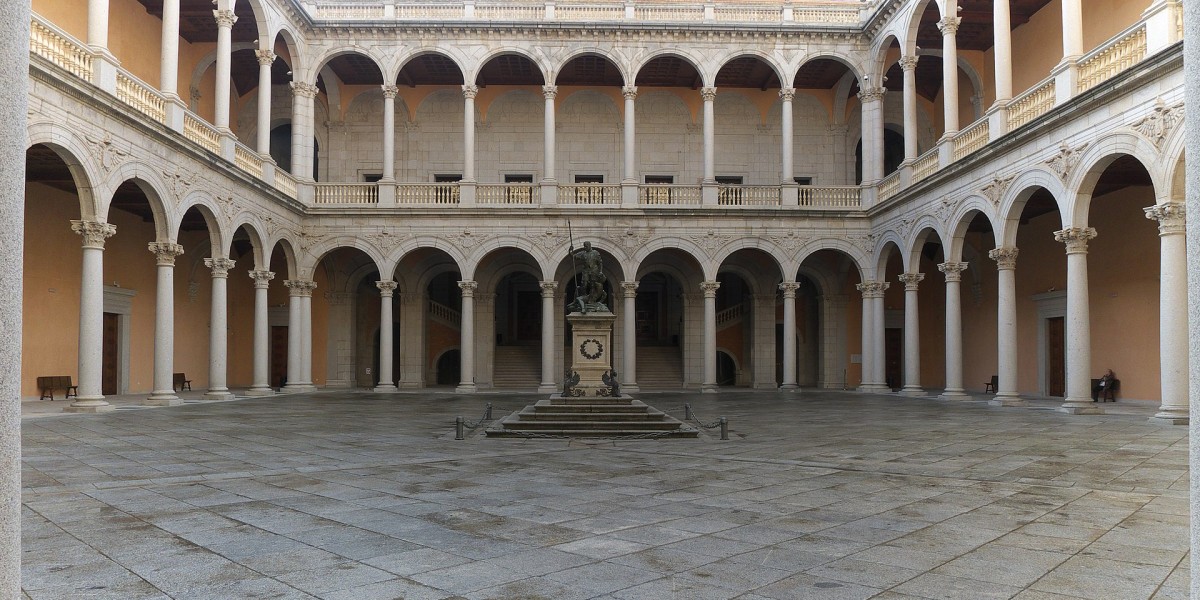
The Alcázar of Toledo is a monumental landmark that has undergone numerous transformations over the centuries, each leaving its imprint on its walls. Among its features, several stand out for their exceptional historical and architectural value:
- Towers: One of the oldest structures in the Alcázar. They served as a strategic defensive point.
- Patio: A central space that has witnessed countless military ceremonies and events.
- Empress's Hall: Dedicated to Isabel of Portugal, wife of Charles V, the highlight of this hall is its sumptuous décor.
- Charles V's Hall: A commemorative space for the emperor, decorated with imperial symbols and used for solemn events.
- Castilla-La Mancha Library: Located inside the Alcázar, it is a cultural treasure that houses a vast collection of literary works.
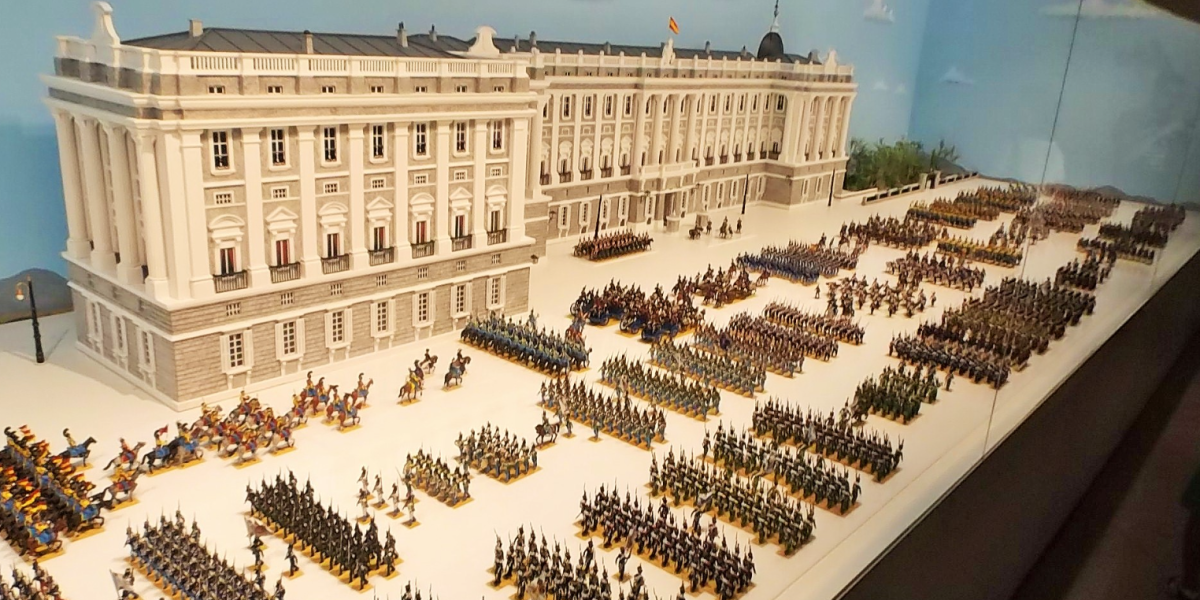
- Army Museum: Offers a detailed look at Spain's military history through its exhibitions.
Alcázar of Toledo opening hours, tickets and prices
To make the most of your visit to the Alcázar of Toledo, it’s worth checking its opening hours and ticket prices in advance. The monument has two opening times depending on the time of year.
- From June to September: Monday to Sunday from 10 a.m. to 9 p.m.
- From October to May: Tuesday to Sunday from 10 a.m. to 5 p.m. (closed Mondays).
Admission to the Alcázar of Toledo costs €5, with a reduced rate of €3 for students, over-65s and people with disabilities. Children under eight enter free, and Toledo residents receive a discount. Admission is free for all visitors on Sundays.
Getting to the Alcázar of Toledo
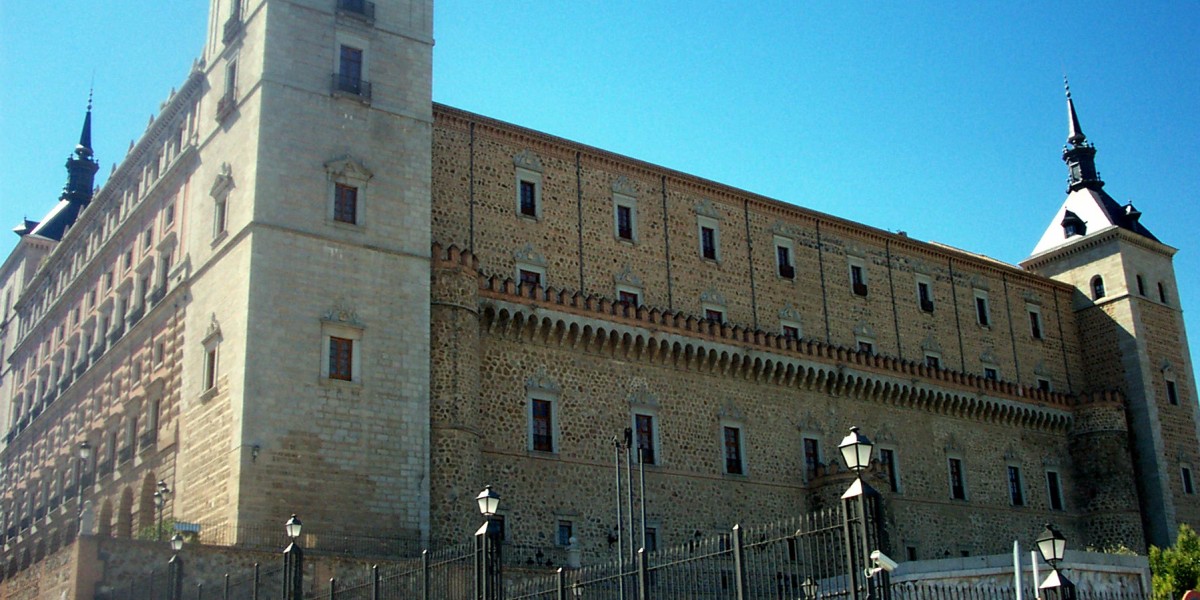
Perched on a hill with sweeping views of Toledo, the Alcázar is within easy reach from many points in the city. From the historic centre, it’s just a short – albeit uphill – walk from Plaza Zocodover.
Urban bus routes 1, 3, 5, 10, 12 and 14 stop at Cuesta de Carlos V, right beside the Alcázar.
If driving, note that parking in the old town is not permitted. The Corralillo de San Miguel car park, on the south-east side, is a convenient choice and sits directly opposite the building.
Interesting facts about the Alcázar of Toledo
The Alcázar of Toledo brims with fascinating tales and remarkable curiosities that have stirred the imagination of visitors for centuries. Here are some of the most captivating.
- Its role in the war: During the Spanish Civil War (1936), the Alcázar was besieged for more than two months by Republican forces, and its defence became a symbol of Francoism.
- Devastating fires: It has suffered several fires throughout its history, including one in 1710 during the War of the Spanish Succession.
Living in Toledo
Known as the City of Three Cultures, Toledo feels like an open-air museum, where every corner is steeped in history, art and tradition. From twisting cobbled lanes to grand historic monuments, Toledo radiates a timeless charm that enchants every visitor.
Life here is shaped not only by its remarkable cultural legacy but also by its strong sense of community. Toledo offers an exceptional quality of life, combining modern amenities with a tranquil pace that encourages you to savour the everyday. Its strategic location, just a short journey from Madrid, makes access to the capital both quick and convenient.