

For many, living in the mountains means tranquillity, fresh air and a constant connection with nature. In this setting, prefabricated mountain homes have become an increasingly popular, modern and efficient option for those wishing to settle in such surroundings without sacrificing comfort. Discover everything you need to know about these homes, from their rapid construction to designs tailored for demanding climates.
Types of prefabricated mountain houses
The variety of prefabricated mountain homes caters to the diverse needs and tastes of those seeking a home in natural surroundings. Explore the most popular types and what sets each of them apart:
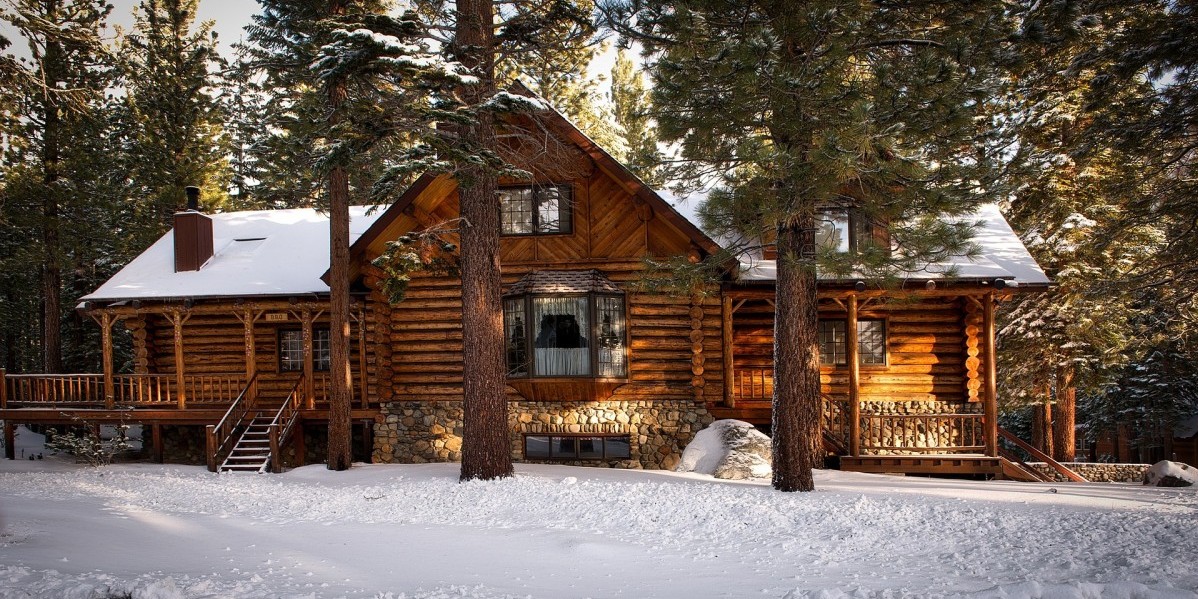
- Rustic prefabricated homes: Inspired by traditional mountain architecture, these homes blend solid wood with natural stone to ensure seamless integration into the landscape.
- Prefabricated stone homes: Built to withstand the harshest climates, they are renowned for their strength and longevity. The extensive use of stone offers outstanding thermal and acoustic insulation.
- Nordic-style prefabricated homes: Characterised by clean lines, large windows and open-plan interiors, these homes maximise natural light and prioritise energy efficiency.
- Modern mountain homes: Defined by technological innovation and eco-friendly materials such as structural insulated panels (SIPs) or treated timber, they often include smart-home systems and renewable energy solutions.
Materials for prefabricated mountain houses
The choice of materials is a crucial part of designing and building homes in areas where weather conditions can be extreme. Below are the most commonly used options:
- Wood: One of the most valued materials thanks to its excellent insulating properties, which protect against both cold and heat. It also creates a warm atmosphere and blends naturally into mountain landscapes.
- Stone: A symbol of strength and durability. Ideal for regions with very low temperatures, it provides outstanding thermal insulation and requires minimal maintenance.
- Concrete: An increasingly popular choice for those seeking maximum structural stability on uneven or demanding terrain. It is particularly resistant to sudden temperature changes.
- Energy-efficient systems: These homes often incorporate technologies that greatly enhance energy performance, such as solar panels, high-efficiency windows and advanced insulation solutions.
How much do prefabricated mountain houses cost?
When considering the purchase of a home surrounded by nature, one of the first questions is how much a prefabricated mountain house actually costs. Prices vary significantly depending on the size, the materials used and the degree of customisation.
As a general guide, basic models start at around €30,000–€40,000, while larger versions with premium materials and advanced features can exceed €150,000. Additional factors, such as the plot's location, ease of access and the level of thermal insulation, also influence the final price.
Popular prefabricated mountain home models
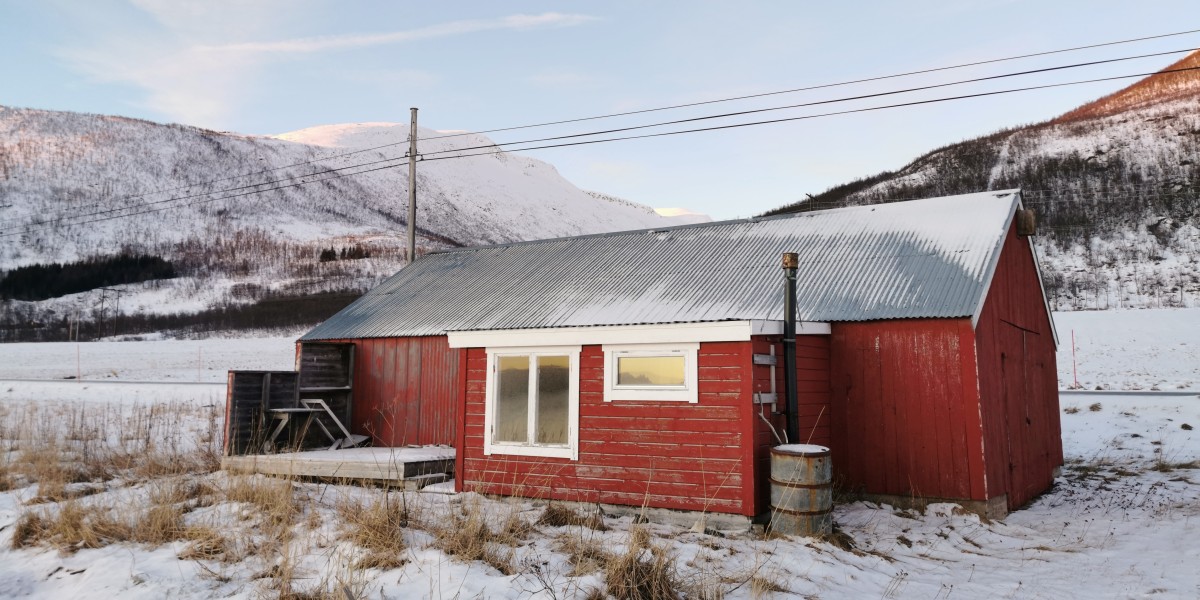
Many of the most popular prefabricated models are specifically designed to blend into mountain landscapes. Below are some representative examples:
- Mountain Modular: A sturdy model built from concrete and wood, ideal for cold climates and uneven terrain. It combines a rustic exterior with a modern, efficient interior.
- Oslo (TCH): A minimalist home featuring large windows to maximise the surrounding views. It is optimised for cold climates and offers a sleek, contemporary aesthetic.
- Gapahuk (Rindalshytter): A Nordic-inspired cabin with an asymmetrical roof designed to withstand snow and strong winds. Its compact layout creates a warm and highly efficient space.
- Vipp Prefab Cabin: A high-end prefabricated cabin delivered almost ready to inhabit. It offers luxury, Scandinavian design and exceptionally rapid assembly in natural settings.
Advantages over traditional construction: sustainability, speed and energy efficiency
Prefabricated mountain homes have become increasingly popular in recent years as an alternative to traditional construction, particularly in rural or hard-to-access areas. Their key advantages include:
- Sustainability: Their construction process minimises waste and makes efficient use of resources.
- Energy efficiency: These homes offer excellent thermal and acoustic insulation – one of their major selling points.
- Speed of assembly: Built in factories and assembled on-site, they can be ready in a matter of weeks.
- Adaptability to the terrain: Their flexible design allows for effective solutions on steep plots or land with difficult access.
- Low maintenance: The materials used generally require less upkeep than those in conventional buildings.
- Flexibility: They can be easily adapted to suit the changing needs of their owners.
Mountain house options in Spain
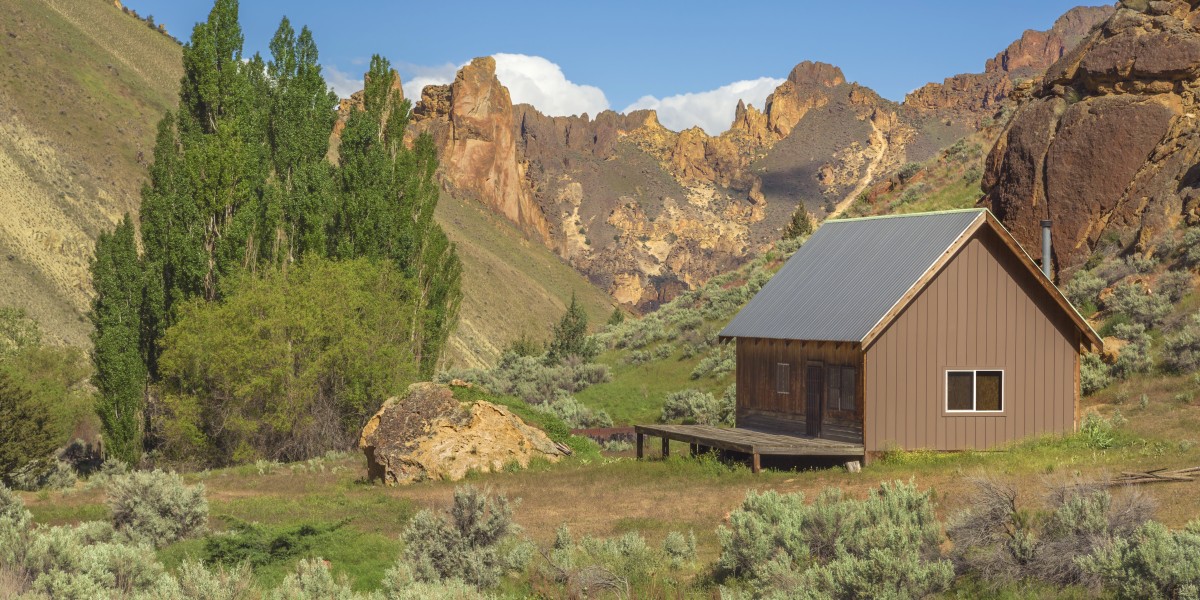
If the idea of enjoying a retreat surrounded by nature without giving up comfort appeals to you, mountain homes are an option well worth considering. Today’s market offers a wide range of models to suit different budgets, needs, and lifestyles. Below is a selection of areas where you can look for this type of property:

Tenerife's most affordable town
Tenerife, known for its mild climate and striking natural landscapes, still has areas where property prices remain surprisingly affordable compared with other tourist or urban centres. If you are thinking of relocating to the island or investing there, discover the most affordable town in Tenerife to buy property.