Zaragoza is a city that surprises with its vitality, deep history and welcoming spirit – traits that have shaped a distinctive local identity for centuries. Its name, too, is no accident, but a reflection of this past and of the civilisations that left their mark. Read on to discover why Zaragoza is called what it is and how its name came to be.
History of Zaragoza
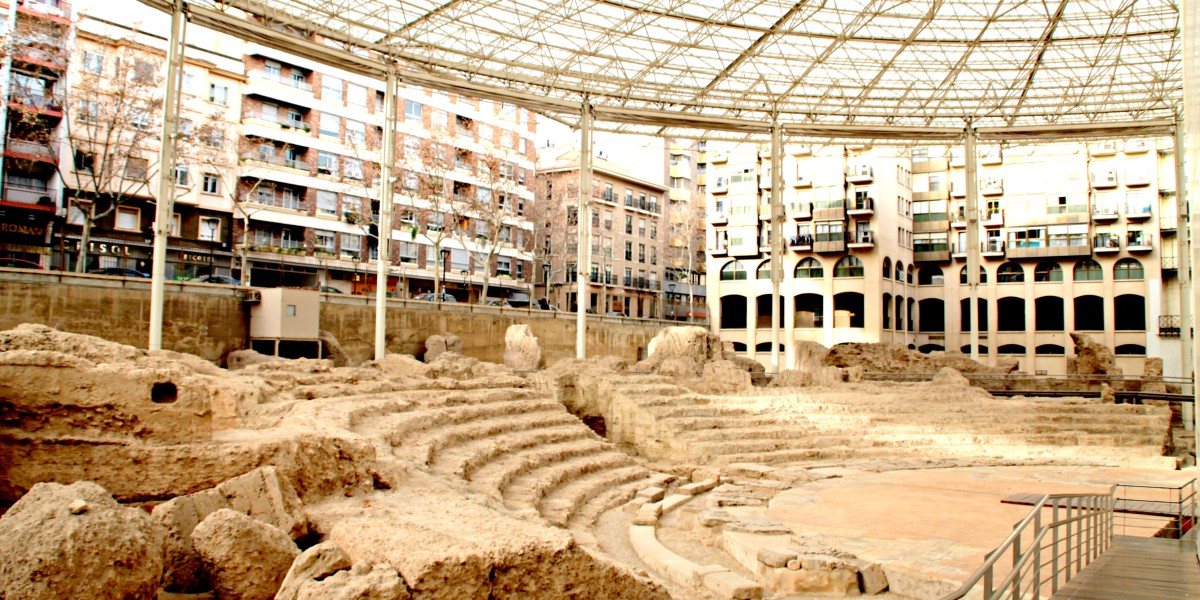
Zaragoza is a city with more than two thousand years of history. Founded in Iberian times, it was reshaped by the Romans, who turned it into one of the principal centres of the Ebro Valley. Today, visitors can still explore the remains of that era, including the forum, theatre and baths.
In the Middle Ages, Zaragoza reached its zenith under Muslim rule after the 8th-century invasion, becoming the capital of the Taifa of Zaragoza. Under the Andalusians, it gained renown for its formidable walls, elegant palaces and its standing as a major cultural and economic hub.
In 1118, Alfonso the Battler reclaimed the city for the Kingdom of Aragon, ushering in a new period of prosperity. Centuries later, at the start of the 19th century, Zaragoza once again took centre stage during the Peninsular War, becoming famous for the heroic Sieges that marked the War of Independence.
What is the origin of the name Zaragoza?
If you are wondering what the word Zaragoza means, the city’s name has followed a long historical path. Before the arrival of the Romans, the site was known as Salduie, an Iberian settlement on the banks of the River Ebro.
With the Roman conquest, it became Caesaraugusta, named in honour of Emperor Caesar Augustus, who granted it special privileges and established it as an important colony. During the Muslim period, the city was known as Saraqusta or Sarakusta, and in some texts as Medina Albaida, meaning “the white city”.
After the Christian reconquest in 1118, the name evolved through forms such as Saragoça and Çaragoça until it eventually became the Zaragoza we know today.
What was Zaragoza called before?
Before becoming the Zaragoza we know today, the Aragonese capital bore several names over the centuries. Below is an overview of each one:
- Salduie – The Iberian name of the original settlement on the site of the present city, an important indigenous centre.
- Caesaraugusta – Founded by the Romans in 14 BC and named in honour of Emperor Caesar Augustus.
- Saraqusta / Sarakusta – The name used by Muslims during Arab rule, a transformation of the Roman toponym.
- Medina Albaida – Meaning “the white city” in Arabic, used in Islamic times to reflect the pale colour of its buildings.
- Saragoça / Çaragoça – After the Christian reconquest in 1118, the name was adapted to Romance phonetics and spelling.
- Zaragoza – The modern form, the result of centuries of linguistic evolution from Caesaraugusta, and in official use for generations.
Living in Zaragoza
Living in Zaragoza means immersing yourself in a city where ancient history meets vibrant contemporary life. Known for its welcoming atmosphere and unhurried rhythm, it is ideal for those who value community and authenticity.
Culture and tradition are present at every turn, from the Fiestas del Pilar to traditional markets and the flavours of Aragonese cuisine. The city also offers a rich educational and cultural scene, with museums, theatres and arts centres that enliven everyday life. Zaragoza also enjoys generous green spaces.