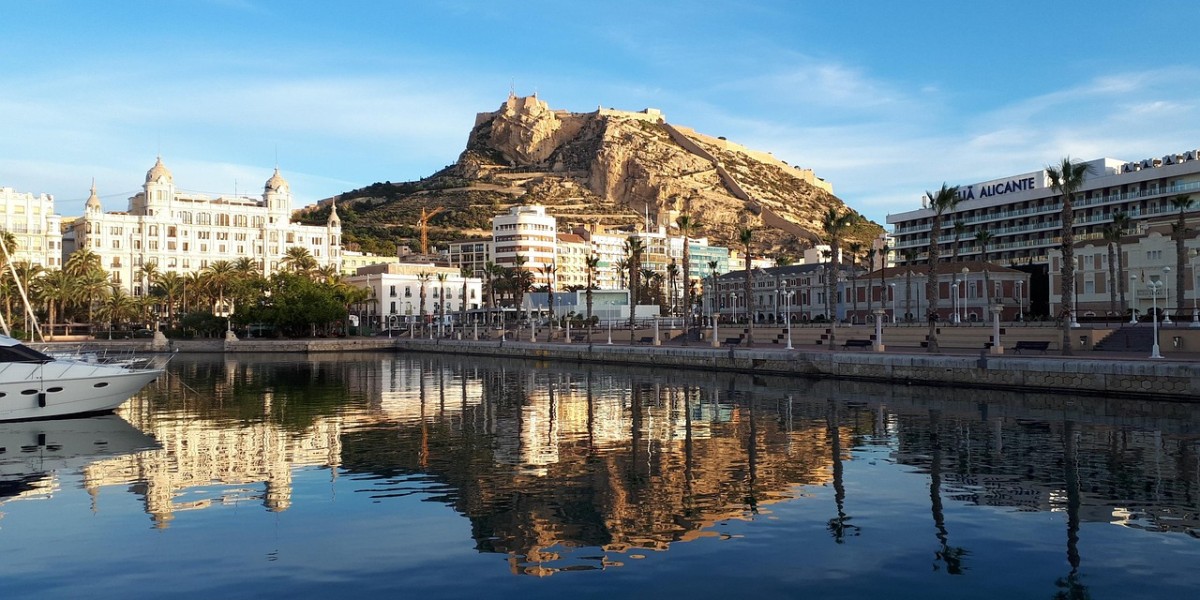
Alicante is far more than a Mediterranean city renowned for its beaches and climate. Its streets are steeped in history, shaped by the many civilisations that once inhabited the region. If you’ve ever wondered why it is called Alicante, the answer takes you on a fascinating journey through time – from the ancient Greeks to the Romans and the Arabs.
History of Alicante
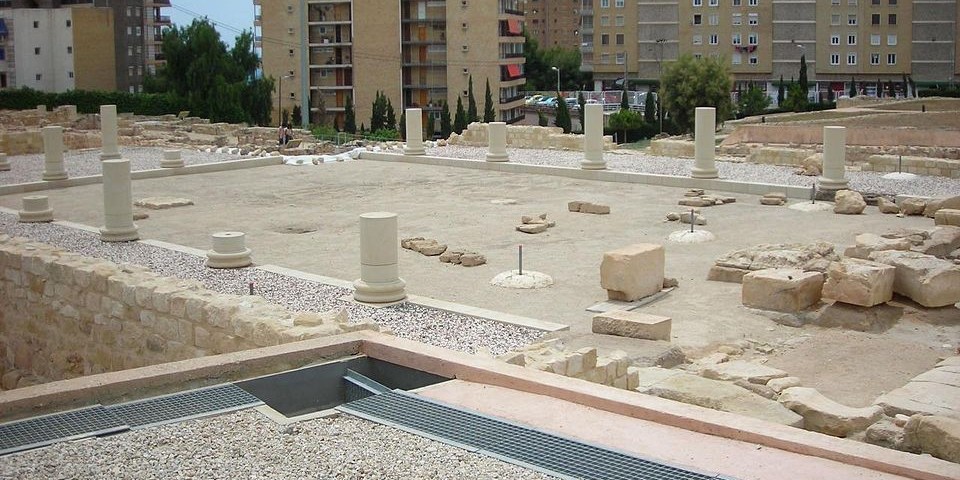
The history of Alicante stretches back to the Bronze Age. The earliest records trace the city’s origins to a Greek settlement, although it was the Romans who cemented its importance, thanks to its commercial activity and strategic location in the Mediterranean.
During the Middle Ages, Alicante came under Muslim rule. The city flourished agriculturally and commercially, with new irrigation techniques introduced and its port strengthened. In the 13th century, it was conquered by Christian forces from the Kingdom of Castile.
Later, Alicante became part of the Crown of Aragon, growing in political and economic significance through trade with North Africa and the wider Mediterranean. In the Modern and Contemporary periods, it firmly established itself as an important commercial hub and tourist destination.
What is the origin of the name Alicante?
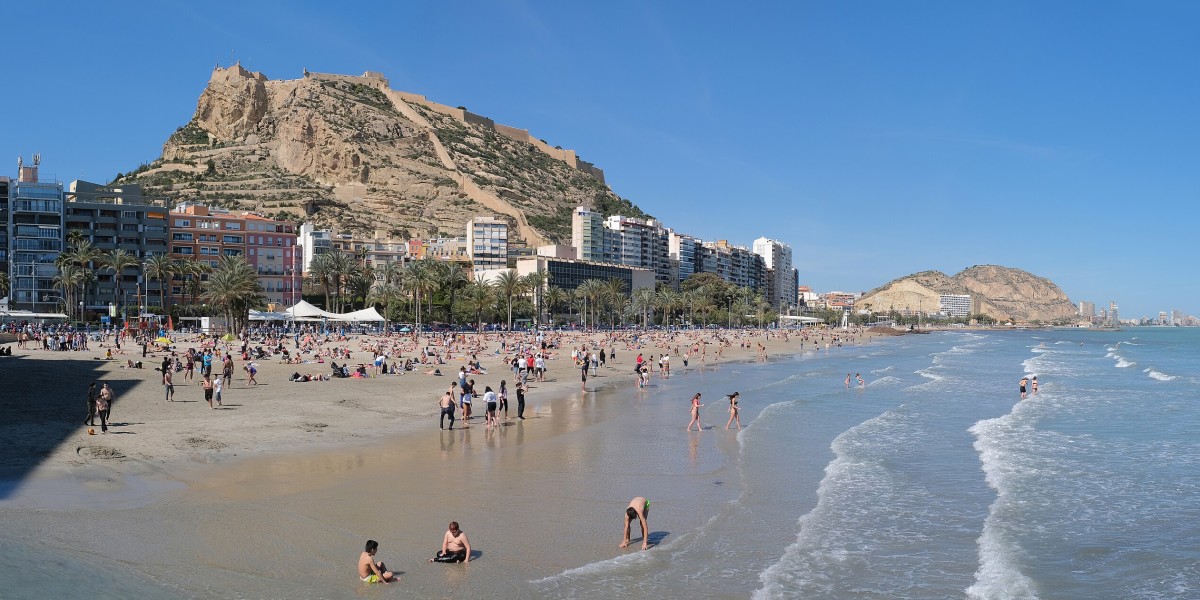
The meaning of Alicante is steeped in a blend of historical influences and legend. The most widely accepted origin dates back to the Greek era, when the city was founded as Akra Leuké, meaning "white promontory" in reference to the hill on which Santa Bárbara Castle stands.
The Romans later transformed the name into Lucentum, reflecting the city’s light and its elevated, luminous location. During the Muslim period, it became Al-Laqant. The name endured, and following the Christian reconquest, it was adapted to Castilian and Valencian phonetics.
The legend of Ali and Cántara
The legend of Ali and Cántara is a popular tale that seeks to explain the origin of Alicante’s name. According to the story, the caliph’s beautiful daughter, Cántara, had two suitors: the nobleman Ali and the general Almanzor. To determine who was worthy of marrying her, the caliph set a difficult challenge for both.
While Almanzor set off to seek distant riches, Ali remained by Cántara’s side, building an irrigation canal to bring water to the city and gradually winning her heart. However, when Almanzor returned victorious, the caliph gave him Cántara’s hand in marriage.
Devastated, Ali threw himself from a cliff. Upon learning of his fate, Cántara took her own life, and grief overtook the caliph as well. Moved by the tragedy, the inhabitants decided to honour the young lovers by incorporating their names into that of the city.
What was Alicante called before?
Now that you know what Alicante means, the city has borne different names throughout its history, reflecting the diverse cultures and civilisations that have inhabited it. These are the names it has had:
- Akra Leuké: The earliest known name, given by the Greeks around the 4th century BC. It means "white promontory".
- Lucentum: When the Romans took over, the name evolved to Lucentum, associated with light.
- Al-Laqant: With the arrival of the Muslims in the 8th century, the city became Al-Laqant. In Arabic, it can also be translated as "light".
- Alacant / Alicante: After the Christian conquest in the 13th century, the Muslim name was adapted into Valencian as Alacant and into Castilian as Alicante, both of which are official today.
Living in Alicante
Living in Alicante means embracing a Mediterranean lifestyle, where its sunny climate, seaside location and cosmopolitan atmosphere come together to create a unique experience. The city is famed for its vibrant seafront promenade and its rich cultural and gastronomic offerings.
Alicante also provides modern amenities, excellent transport links and a high quality of life. Whether you seek peace and quiet by the sea or the buzz of city life, it is an ideal place to live or settle.