Mallorca is the most renowned island of the Balearic archipelago, a region whose name, history and culture have evolved over millennia. While today it is closely associated with beaches, tourism and Mediterranean traditions, its current identity is rooted in a rich historical journey that explains the origin of its name and evolution over time. Discover where Mallorca get its name from.
History of Mallorca
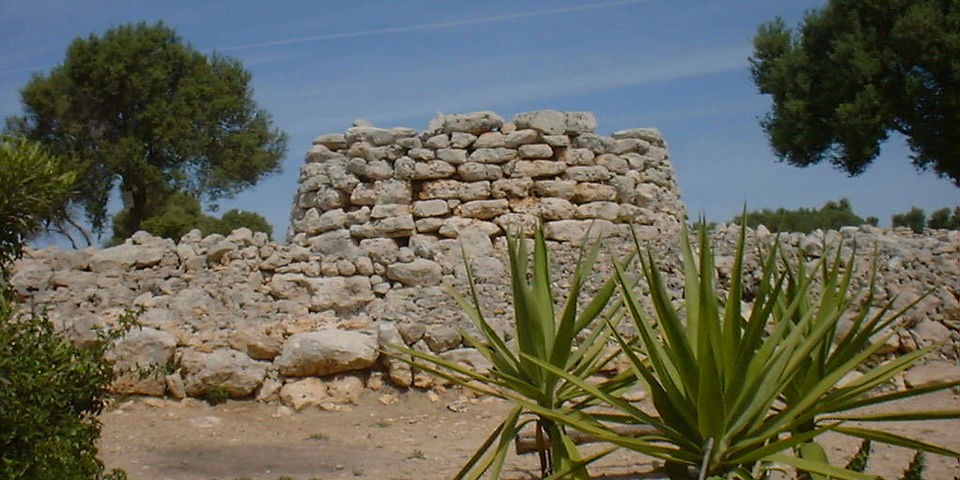
The first human settlements in Mallorca date back to prehistory, when the Talayotic and pre-Talayotic cultures left megalithic structures that still dot the island’s rural landscape. Its strategic location in the western Mediterranean made it a valuable point for civilisations seeking trade routes.
The arrival of the Romans in 123 BC integrated Mallorca into the Empire, triggering major changes in social and urban organisation. Cities were established, new agricultural and trade practices introduced and a communications network developed.
Following the fall of the Roman Empire, Mallorca experienced periods of Byzantine and later Muslim rule, adding new cultural layers. The Catalan conquest led by James I in 1229 ended the Islamic period and marked the start of medieval Mallorca, integrated into the Crown of Aragon.
What is the origin of the name Mallorca?
If you’re wondering why Mallorca is called “Mallorca,” its origin is straightforward. The name comes from the Latin Insula Maior, meaning “larger island.” The Romans used it to distinguish it from its smaller neighbour, Menorca, known as Insula Minor.
The name was descriptive and practical, reflecting the relative sizes of the archipelago’s two main islands. Over time, it evolved into Maiorica in Late Latin, following typical patterns of linguistic simplification and adaptation, and became established during the Middle Ages.
All the names that Mallorca has had
Throughout its history, Mallorca has been known by various names, reflecting the language, era and dominant civilisation of the time. Each name offers insight into the island’s historical context:
- Insula Maior: The Roman name, highlighting Mallorca as the largest island in the archipelago.
- Maiorica: A Late Latin form that evolved from Insula Maior, used during the Middle Ages.
- Mayurqa: The name during the Arab period, when the island was part of al-Andalus.
- Mallorca: The modern name, derived from Maiorica through the evolution of the Romance languages.
- La Mayor: An occasional designation in historical documents, preserving the original meaning.

Why is Palma called that?
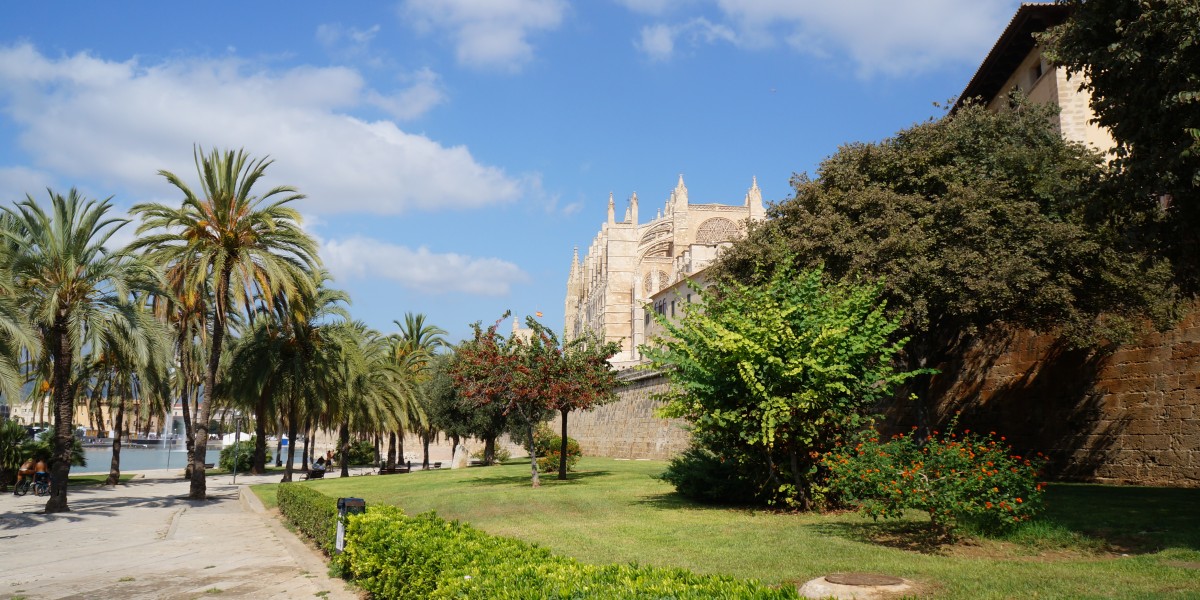
The name of Mallorca’s capital, Palma, also dates back to Roman times. Following the conquest, the Romans founded the city around 120 BC, likely inspired either by the abundance of palm trees in the area or by the Latin word palma, symbolising victory.
Over the centuries, Palma passed through Byzantine, Muslim and Aragonese rule, which led to temporary name changes, including Medina Mayurqa during the Islamic period. After James I’s conquest in 1229, the name Palma was restored and has remained ever since.
Living in Mallorca
Living in Mallorca offers a unique blend of Mediterranean tradition and modern life. The island enjoys a mild climate for much of the year, food rooted in local produce and a lifestyle that balances nature, culture and urban activity.
With modern services, strong international connections and a growing expatriate community, Mallorca has become a highly sought-after and stable residential destination.