Madrid, renowned for being one of the safest capitals in Europe and offering an excellent quality of life, is not entirely free from areas with higher crime rates. Recent data from sources, including Securitas Direct, highlight police interventions and arrests across the city.
Certain districts register a higher incidence of robberies, thefts, drug-related offences, and other crimes. Based on the latest statistics from the Municipal Police and the Madrid City Council, these are the neighbourhoods with the most recorded incidents.
Central Madrid, the city's most dangerous neighbourhood
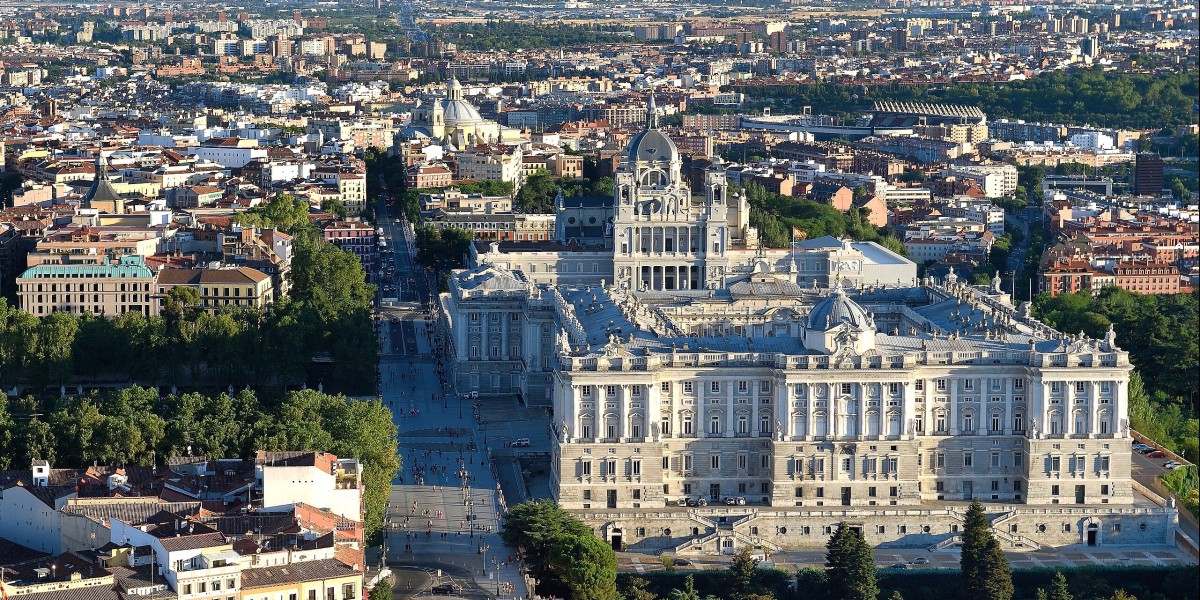
Madrid's central district leads the city in the number of incidents and arrests in 2025, with 1,564 interventions recorded by the National Police – the highest of any district.
This elevated figure is not only due to violent crimes but also to the high volume of non-violent thefts and robberies in areas with large crowds, particularly tourists. Key locations such as Puerta del Sol, Gran Vía and La Latina draw heavy foot traffic, increasing opportunities for petty crime.
Arrest figures from the Municipal Police reinforce this trend, with 152 arrests in the city centre – the most of any district – highlighting the frequent interventions of law enforcement to curb criminal activity.
Puente de Vallecas

Puente de Vallecas ranks as Madrid’s second-most affected district, with 815 recorded incidents. Located in the city’s southeast, it is densely populated and includes neighbourhoods with marked social contrasts, which have historically shaped its crime patterns, particularly regarding drug-related offences, street robberies and antisocial behaviour.
For many residents, these issues are concentrated in certain areas, while other parts of the district remain relatively peaceful. Most incidents are minor rather than serious violent crimes, yet their frequency necessitates police intervention and can influence the overall perception of safety.
Carabanchel
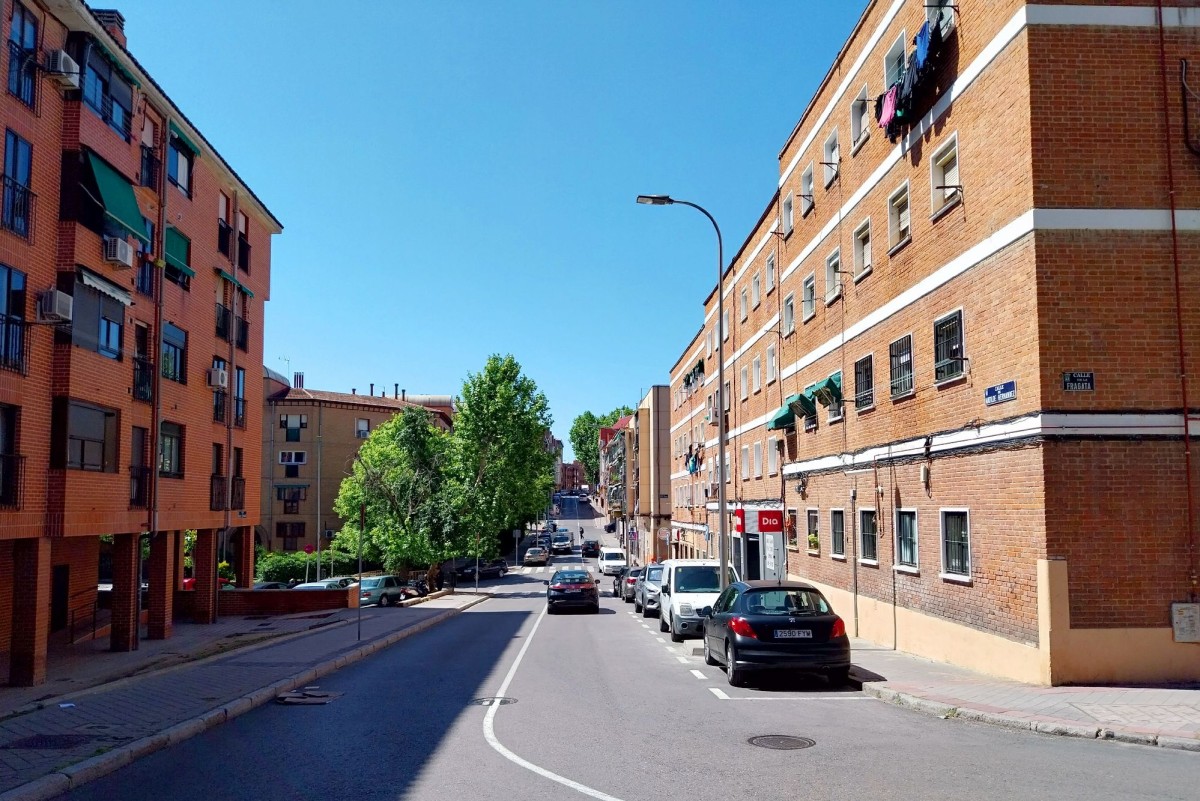
Carabanchel ranks third in Madrid for incident numbers, with 572 recorded cases. The district includes neighbourhoods with diverse social and economic profiles, ranging from areas with high civic engagement to others facing socioeconomic challenges, which are reflected in the crime statistics.
Carabanchel features a mix of densely urbanised areas and lower-income areas, influencing the types of crimes reported. Most incidents are not highly violent but tend to involve thefts, drug-related offences and possession cases.
Salamanca
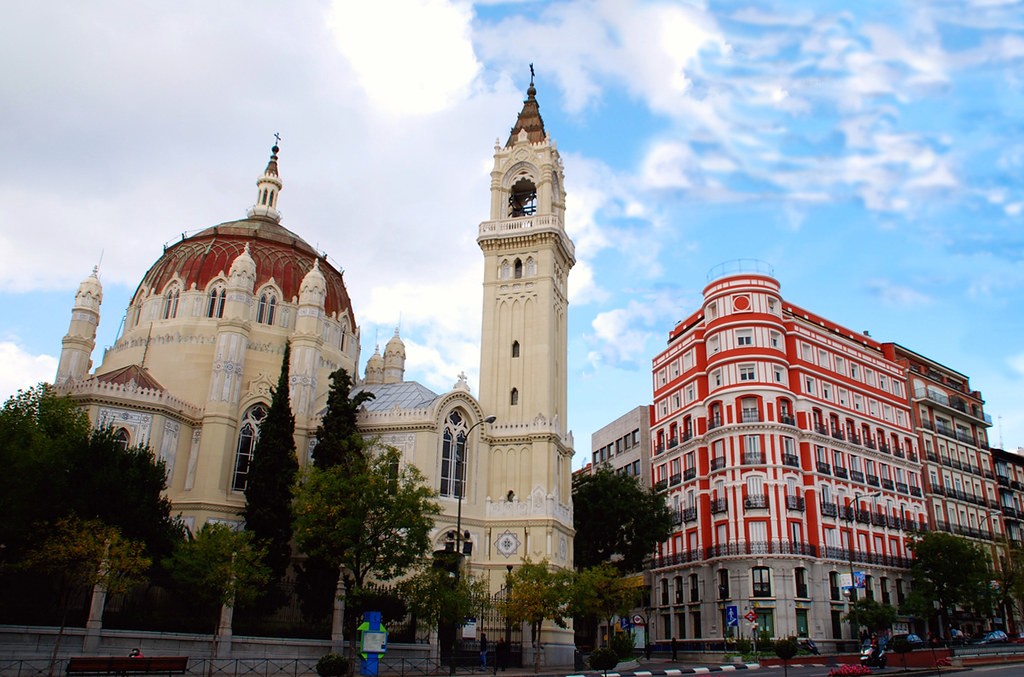
Salamanca ranks fourth, with 499 incidents recorded by the National Police, a surprising position given its status as one of Madrid’s wealthiest districts. This is largely due to the high incidence of property crimes – such as break-ins and fraud – common in affluent areas, particularly around those with a considerable number of shops and businesses.
The district’s luxury stores and offices attract opportunistic crime. While serious physical violence is relatively rare, frequent petty theft and robberies contribute to the overall high number of recorded incidents.
Chamartín
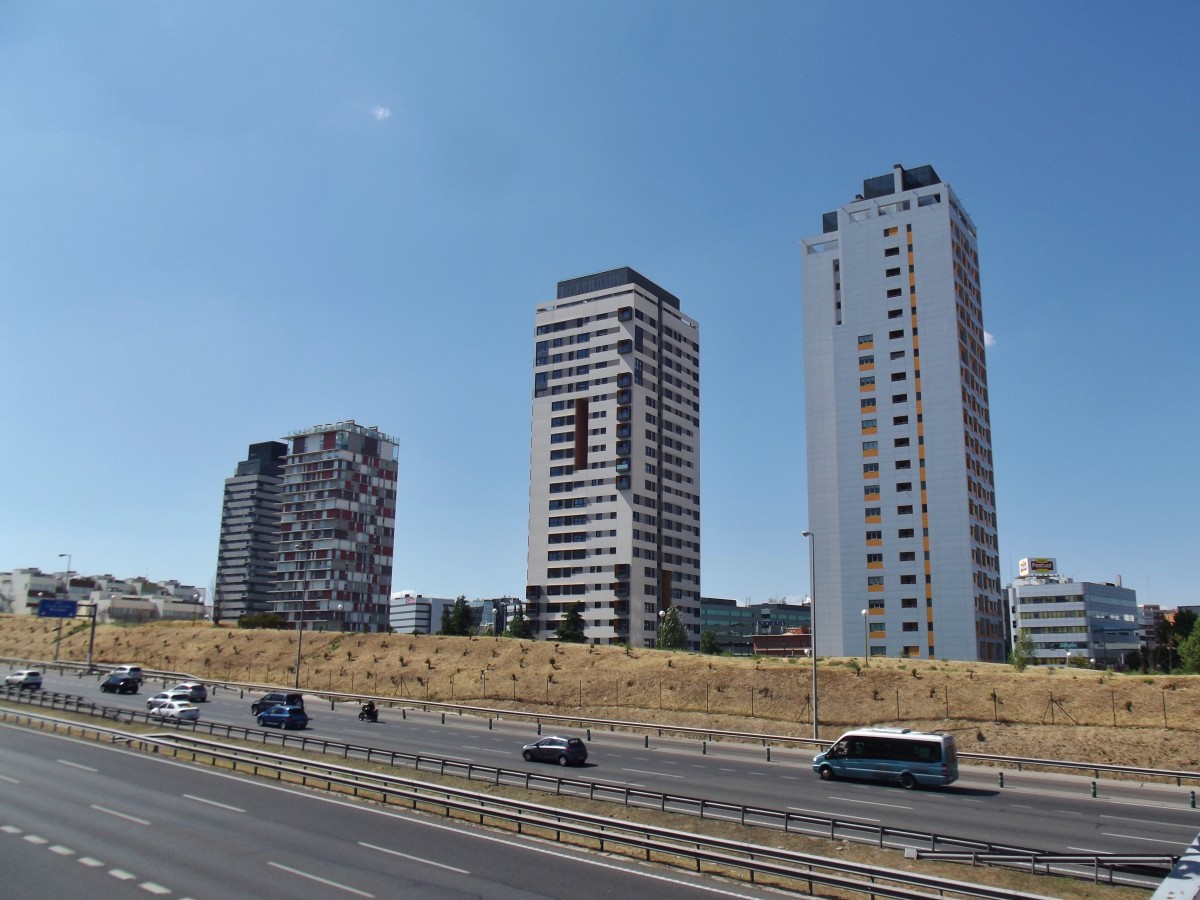
Chamartín, with 368 recorded incidents, is known for its upscale residential and business districts. The area also sees a variety of minor crimes, particularly in busy spots such as transport hubs, shopping streets and parks.
The concentration of offices, train stations and major transport routes contributes to frequent police activity, which in turn results in a higher number of recorded interventions.
La Latina
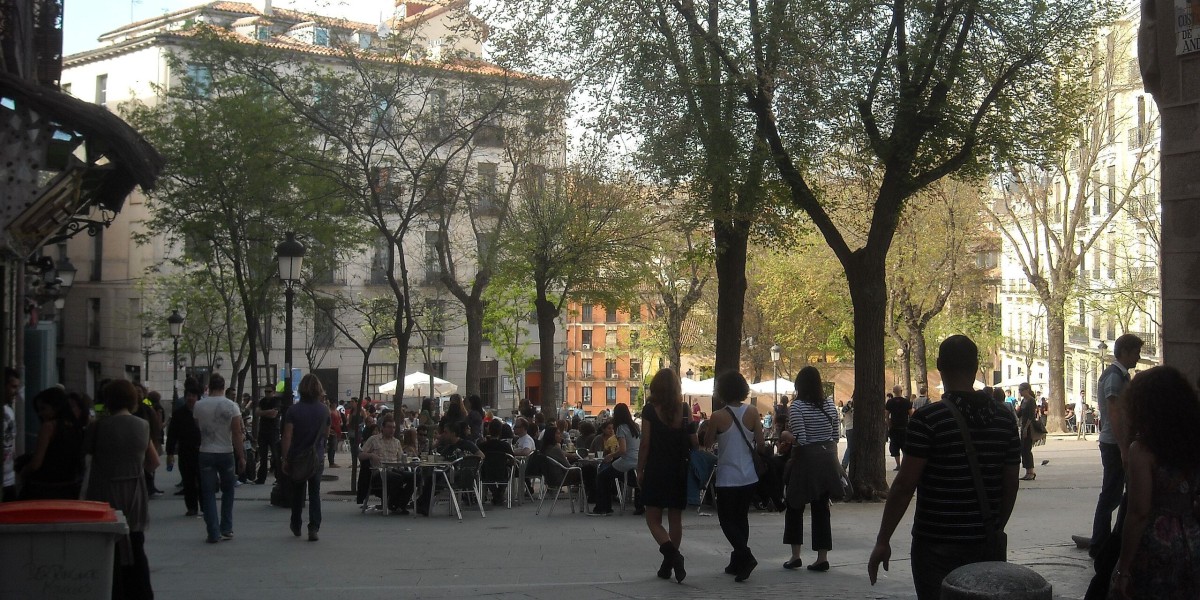
La Latina has 345 recorded incidents and is renowned for its vibrant nightlife, bustling bars, restaurants and cultural events. The heavy flow of people, particularly at night, can lead to higher rates of theft and conflicts in pedestrian areas with bars.
Many of these incidents involve petty theft, common in areas with large numbers of visitors and residents. La Latina illustrates how areas popular with tourists can appear in crime statistics simply due to the sheer number of people frequenting them.
Ciudad Lineal

Ciudad Lineal ranks seventh, with 307 recorded incidents. Located in northeast Madrid, the district combines residential neighbourhoods with commercial and transport hubs, making it a focal point for crimes such as theft and drug-related offences, which contribute to the total number of police interventions.
Its sprawling urban layout means that crime is not evenly distributed; some areas are much quieter than others. This highlights the need to interpret these statistics alongside the district’s social and urban context.
Chamberí
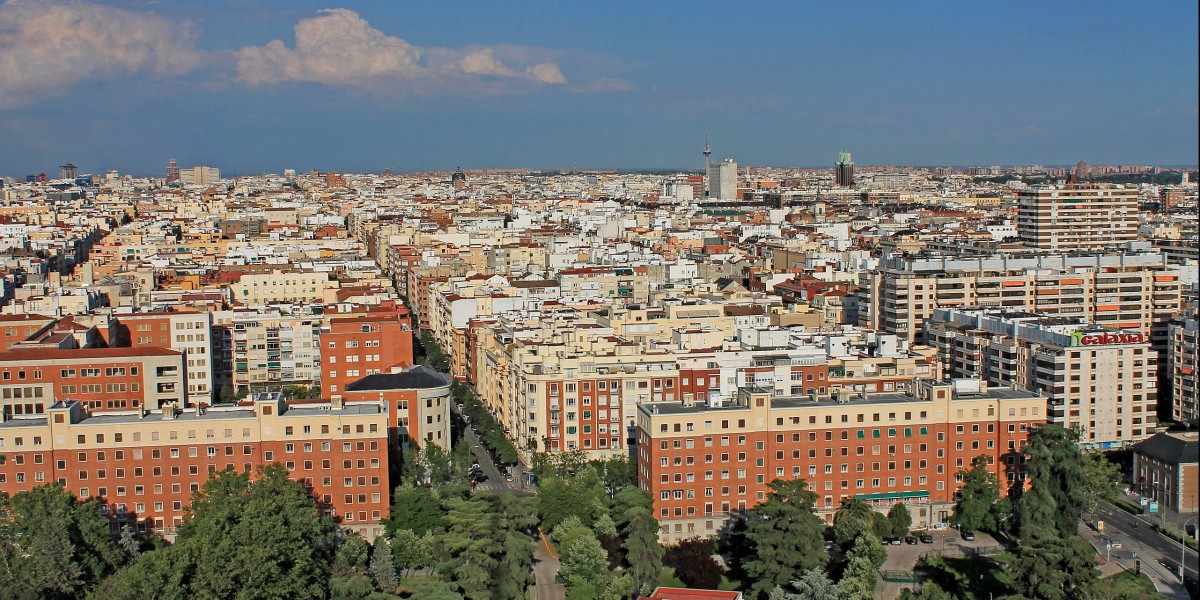
Chamberí completes the list of the top eight districts, with 256 recorded incidents. Traditionally seen as a quiet area with a high quality of life, the district’s office zones, pedestrian traffic and high movement of people contribute to thefts and petty crimes, which collectively raise the number of police interventions.
This pattern is common in economically vibrant districts. Even with a low rate of serious violent crime, the accumulation of minor offences can place such areas prominently in overall crime statistics.
San Blas-Canillejas
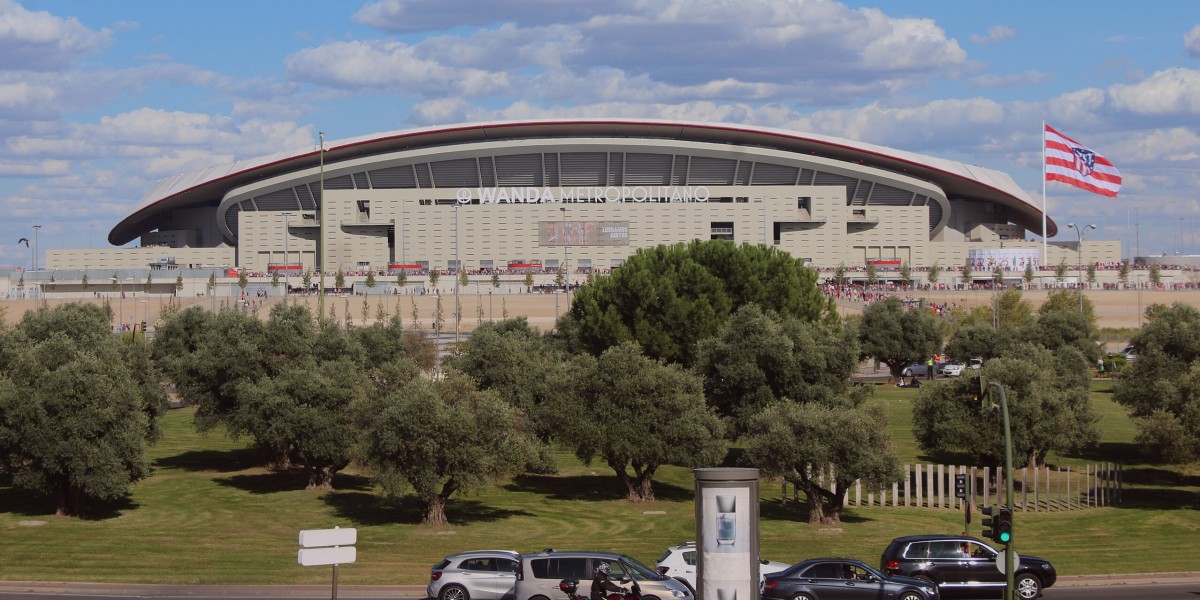
San Blas-Canillejas appears with 219 reported incidents, according to the data collected. This large district mixes residential areas, working-class neighbourhoods and industrial zones, resulting in a diversity of urban profiles. Some areas with higher population density register more cases related to theft or drug trafficking, while other areas are much quieter.
Data suggest that safety here varies depending on the specific neighbourhood, and the total figures should be understood within the context of territorial heterogeneity.
Villaverde

Villaverde rounds out the list, with 199 reported incidents recorded by the National Police. Located in southern Madrid, the district includes areas facing social and economic challenges, which can contribute to minor offences such as theft or drug possession, though serious violent crime remains limited.
Like other large districts, Villaverde encompasses diverse urban profiles – from densely populated zones to quieter neighbourhoods – so the overall figures represent a combination of very different local contexts.