These sunny Spanish islands are once again in the spotlight. Not for winter escapes, but because of growing debate around overtourism and environmental pressure.
Why were the Canary Islands added to a 2026 ‘No Travel’ list?
The Canary Islands found their way onto Fodor’s No List 2026, an editorial list highlighting places where tourism pressure is becoming hard to ignore.
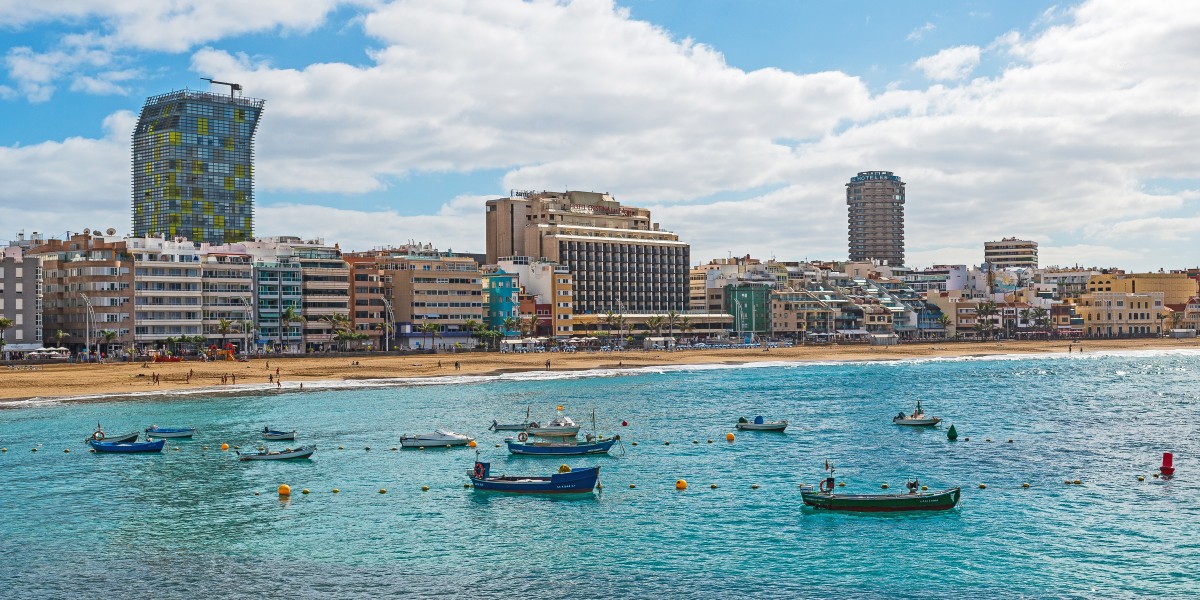
Key reasons were:
- rising overtourism
- environmental pressure on fragile island ecosystems
- tourism pollution from flights and cruise ships
- housing pressure linked to short-term rentals
- public protests calling for limits on mass tourism
Canary Islands' overtourism in 2026

Tourism numbers have surged in recent years, while infrastructure has struggled to keep pace despite billions of euros of investment. Roads, waste systems and public services are under visible pressure during peak months.
These are small Atlantic islands with limited natural resources. Water is largely produced through desalination, which is energy-intensive. Add large resort complexes, swimming pools and cruise traffic, and sustainability becomes a serious topic rather than a trendy one.
Tourism remains the backbone of the local economy, so the conversation is about reform, not rejection.
Tourism pollution and environmental strain
When people refer to the Canary Islands' tourism pollution, they usually mean:
- Increased aviation emissions
- Cruise ship traffic in port cities
- Pressure on national parks such as Teide
- Beach erosion and strain on marine ecosystems
- Waste management challenges in high season
Environmental groups argue that the islands are approaching their 'carrying capacity'.
Housing pressure and short-term rentals
Housing has become one of the most sensitive issues in Tenerife and Lanzarote. Key concerns include:
- Growth in short-term holiday rentals, many of which are illegal
- Rising long-term rents in coastal areas
- Reduced availability for year-round residents
- Increased investor interest linked to tourism demand
Is Tenerife on a No-Fly List in 2026?
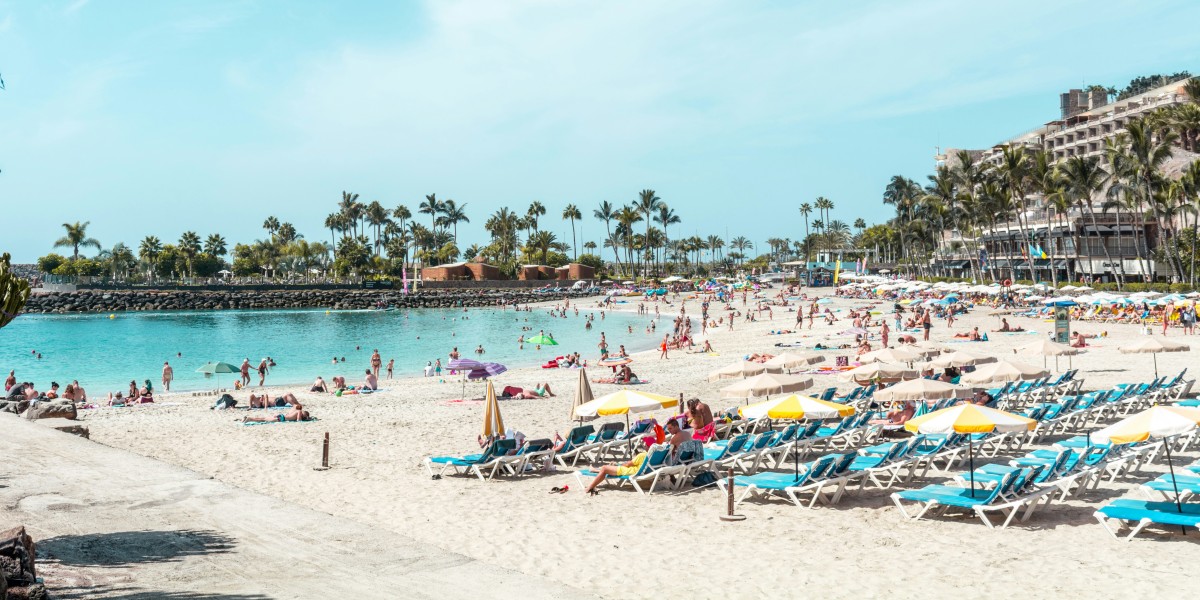
No, Tenerife isn’t on any government no-fly list.
Flights are operating as normal across the Canary Islands, and there are no UK travel restrictions or EU aviation bans in place. Planes are still landing in Tenerife South and Tenerife North every day, packed with holidaymakers and residents heading back and forth.
The mix-up comes from the phrase “No Travel List”, which in this case refers to an editorial recommendation rather than an official advisory.
Should travellers avoid the Canary Islands in 2026?
This is where the conversation becomes more layered. The Canary Islands are one of Spain’s most important tourism regions, supporting tens of thousands of jobs. For many families, the sector is not optional; it is the main source of income.
At the same time, local frustration is real. Protests in 2024 and 2025 called for limits on new hotel developments and tighter regulation of holiday rentals.
The aim is not isolation, but a shift towards a model that balances economic benefit with environmental protection and housing stability.
Not every island faces the same level of pressure, either. Tenerife and Gran Canaria experience far heavier tourism flows than La Gomera or El Hierro.
Looking beyond the hotspots

Part of Spain’s wider response has been to encourage more balanced tourism. Instead of concentrating visitors in the same coastal strips, attention is shifting to less saturated destinations, both within the Canary Islands and beyond.
- In the Canaries themselves, that means looking past the big resort zones in the south of Tenerife or parts of Lanzarote.
- Exploring Spain’s lesser-known islands, such as La Gomera and El Hierro, reflects this shift towards territories that still rely on visitors, but without the same level of infrastructure strain.
- On the mainland, regional governments are promoting inland destinations to spread tourism more evenly. Initiatives such as Spain’s Magic Towns highlight quieter alternatives, easing pressure on coastal hotspots and supporting rural economies.
Stay inspired for your travels in Spain—get our weekly newsletter for the latest travel guides, cultural news, and lifestyle tips.