There are certain Spanish towns where the population multiplies during the summer thanks to the influx of tourists and second-home owners. While this seasonal boost benefits local economies and businesses, it can also disrupt residents' daily lives and place pressure on essential services, particularly housing.
Follow idealista/news in Spanish on the WhatsApp channel
It is undeniable that many of Spain's most popular tourist destinations face limited housing supply and property prices that are beyond the reach of most buyers. With this in mind, we analysed the housing market in the municipalities that experience the largest population increases during the summer, including Alcúdia (Mallorca), Peñíscola (Castellón) and Castell-Platja d'Aro (Girona), where the population grows by more than 800%, according to the Notary Statistical Portal.
Alcúdia (Mallorca)
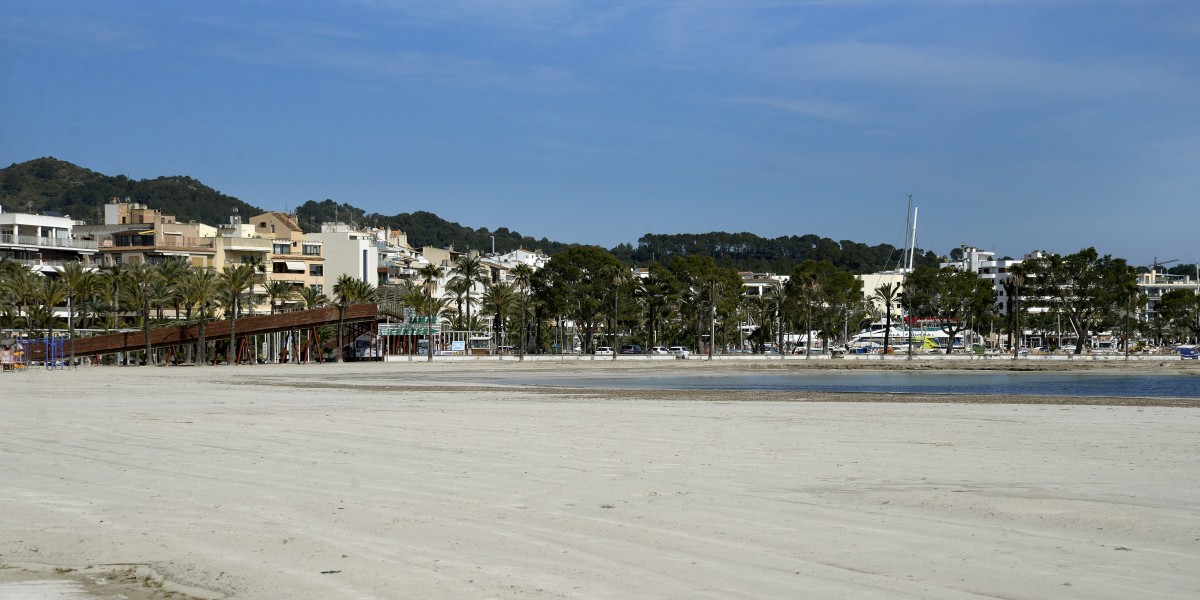
Alcúdia tops the ranking as the municipality with the largest seasonal population increase. With just 21,907 registered residents in 2025, according to Spain's National Statistics Institute (INE), the Mallorcan town sees its population rise to 328,605 during the summer months, representing an increase of almost 1,400%, according to the Notary Statistical Portal.
This demographic pressure has a direct impact on the housing market. According to idealista/data, the average asking price stands at €4,827/m², up 5.4% year-on-year, while average rents reach €18.9/m² per month. However, it is one of the few municipalities on the list where rental prices have fallen, declining by 2.3% compared with the previous year.
Peñíscola (Castellón)
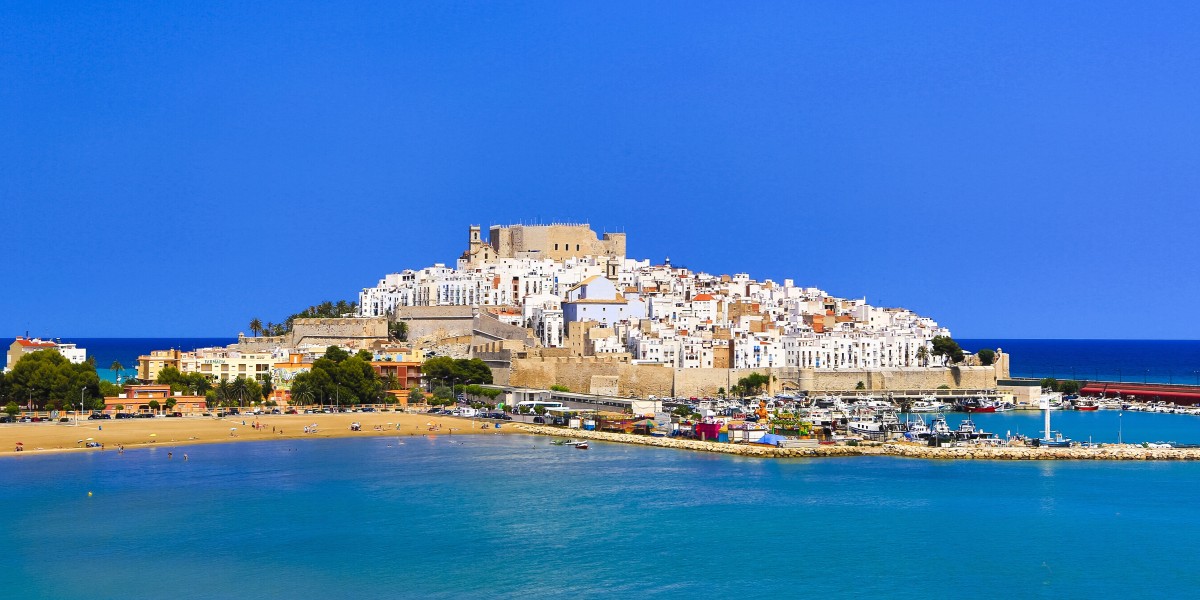
Peñíscola ranks second, with a summer population increase of 957.5%. The municipality in the province of Castellón grows from 8,774 registered residents to almost 92,774 during the peak season. In the housing market, the average asking price is €2,432/m², representing an annual increase of 18.2%, the largest rise in purchase prices among all the municipalities analysed.
Castell-Platja d'Aro (Girona)
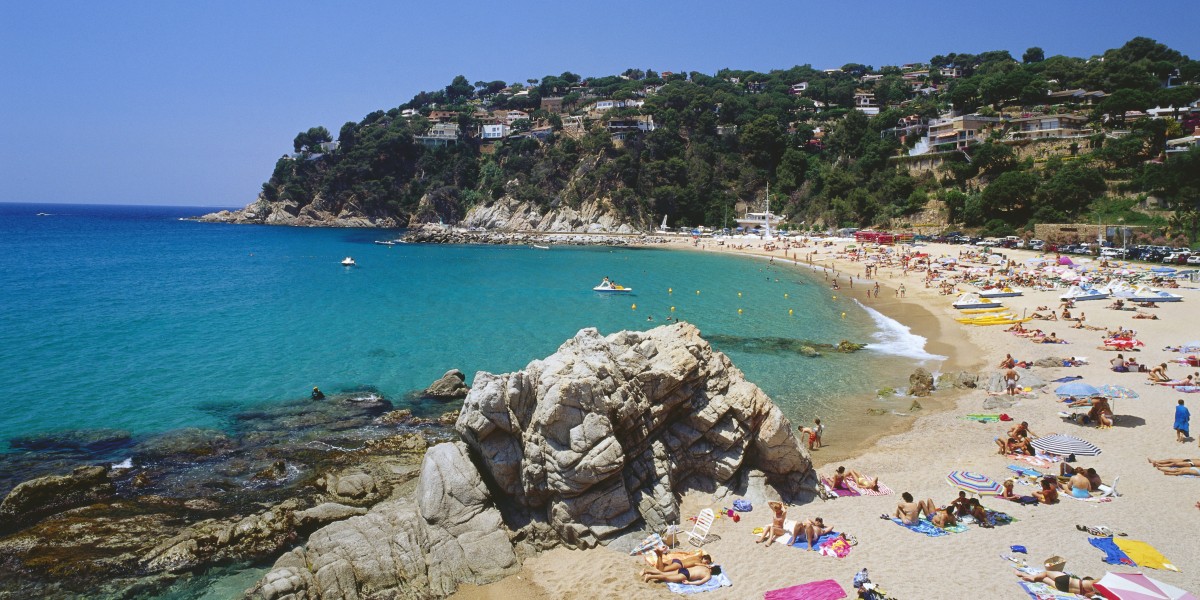
The Girona municipality of Castell-Platja d'Aro occupies third place in the ranking, recording an 800% increase in population during the summer, with resident numbers rising from 12,982 to 116,838. Property prices average €4,088/m², up 8.5% year-on-year, while rents stand at €19.4/m² per month, according to the latest available data from April 2026. Rental prices have, however, fallen by 8.9% over the past year, the sharpest decline in the ranking.
Salou (Tarragona)
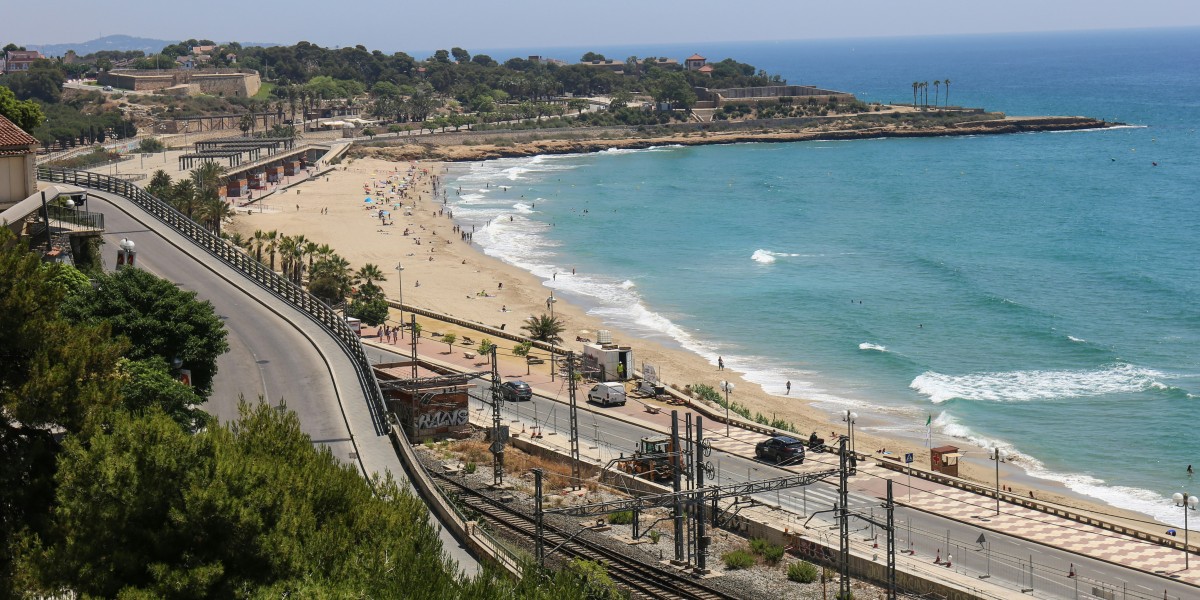
Salou ranks fourth, also recording an 800% increase in population during the summer months, rising from 31,491 registered residents to more than 283,000. The average purchase price stands at €2,747/m², up 3.7% year-on-year, while rent averages €14.7/m² per month, reflecting a notable annual increase of 17.6%.
Sant Josep de sa Talaia (Ibiza)

Sant Josep de sa Talaia represents the most extreme case in terms of property prices. This Ibiza municipality sees its population increase eightfold during the summer, rising from 29,761 to 238,088 residents, a 700% increase. It also has the most expensive housing market in the ranking, with an average asking price of €8,220/m², up 3.5% year-on-year. Average rent reaches €31.1/m² per month, although they have fallen slightly by 1.5% over the past year.
Benidorm (Alicante)
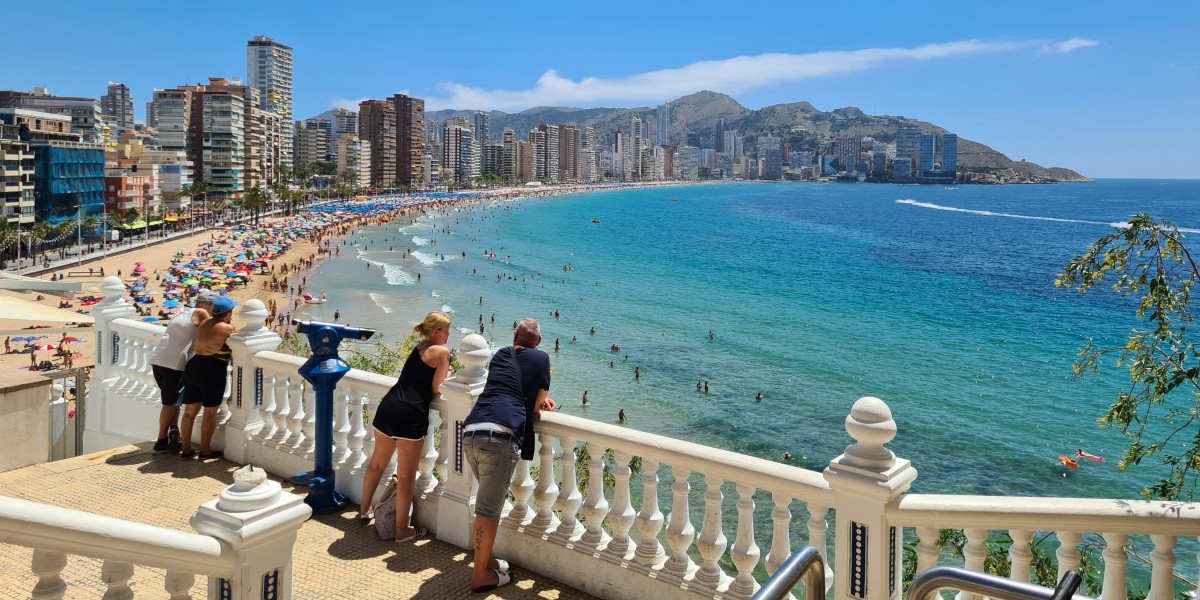
Benidorm, Spain's best-known example of mass tourism, ranks seventh with a summer population increase of 555%. Its 77,327 registered residents grow to more than 507,000 during the peak season, the highest absolute figure in the ranking. The average asking price stands at €3,788/m², representing a 13.4% annual increase, while rent averages €17.6/m² per month, up 5% year-on-year.
Calvià (Mallorca)
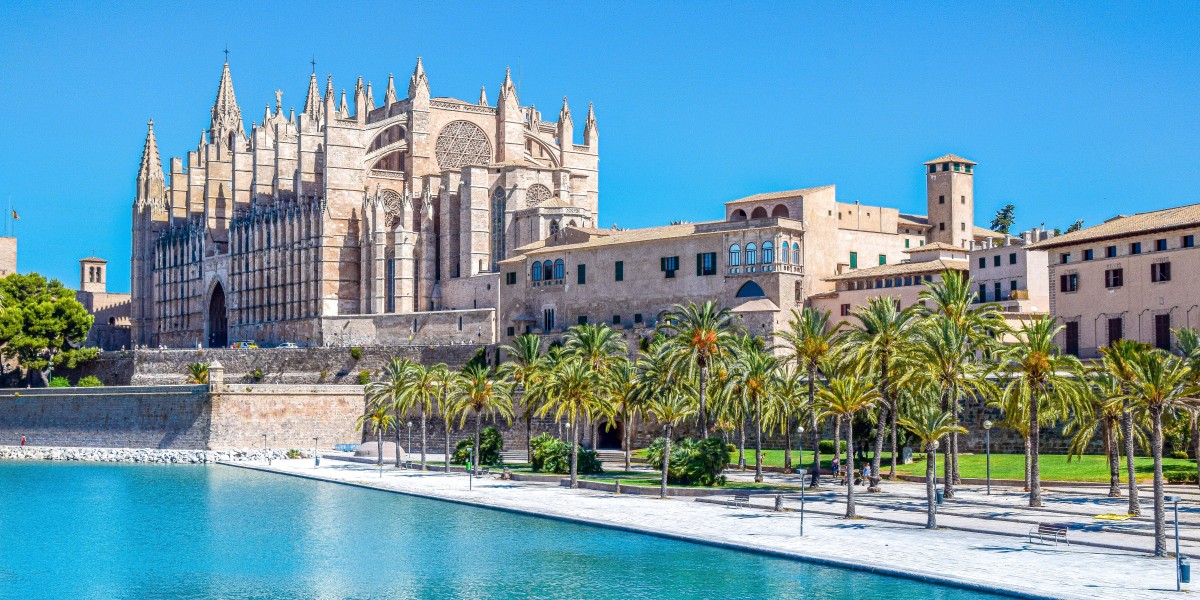
The Mallorcan municipality of Calvià records a 400% increase in population during the summer, growing from 53,793 registered residents to almost 269,000. House prices average €7,469/m², up 4.8% annually, while rent reaches €23.9/m² per month, reflecting a more modest increase of 1.1%.
Lloret de Mar (Girona)

Lloret de Mar rounds off the ranking with a 400% summer population increase, raising its resident count from 43,000 to 215,000 during the busiest months. The average asking price stands at €2,658/m², up 7.8% year-on-year, while rents remain unchanged at €13.1/m² per month.
Special mention: Escorca (Balearic Islands) and Tortuero (Guadalajara)
Beyond the main ranking, two municipalities deserve special mention because of the scale of their seasonal transformation. Escorca, in the Balearic Islands, has a registered population of just 199 residents, yet its population rises to around 54,000 during the summer, an increase of 27,035%. This makes the small Mallorcan municipality the most extreme example of tourist pressure in Spain in relative terms.
The second case is even more striking percentage-wise. Tortuero, a village in the province of Guadalajara with just 19 registered residents, sees its population increase to 4,019 during the summer months, representing growth of 21,052%. These two exceptional cases illustrate the dramatic seasonal shifts experienced in parts of Spain, where depopulated areas are temporarily transformed by tourism and second-home ownership.