Mallorca is an island with a sizeable resident population, but it also has a seasonal dynamic that transforms daily life during the peak tourist months. The largest of the Balearic Islands accounts for much of the archipelago's economic, administrative and urban activity. But how many inhabitants does Mallorca have according to the latest census data? Here's a look at the island's population figures.
How many inhabitants does the entire island of Mallorca have?
Mallorca has 971,068 inhabitants, according to the latest INE data from 2025. Of this total, 481,759 are men, and 489,309 are women, meaning the female population exceeds the male population by 7,550 people.
In population terms, Mallorca is the most populated island in Spain, slightly ahead of Tenerife, which has 966,000 inhabitants. It is also the largest island in the country by area, covering approximately 3,640 square kilometres.
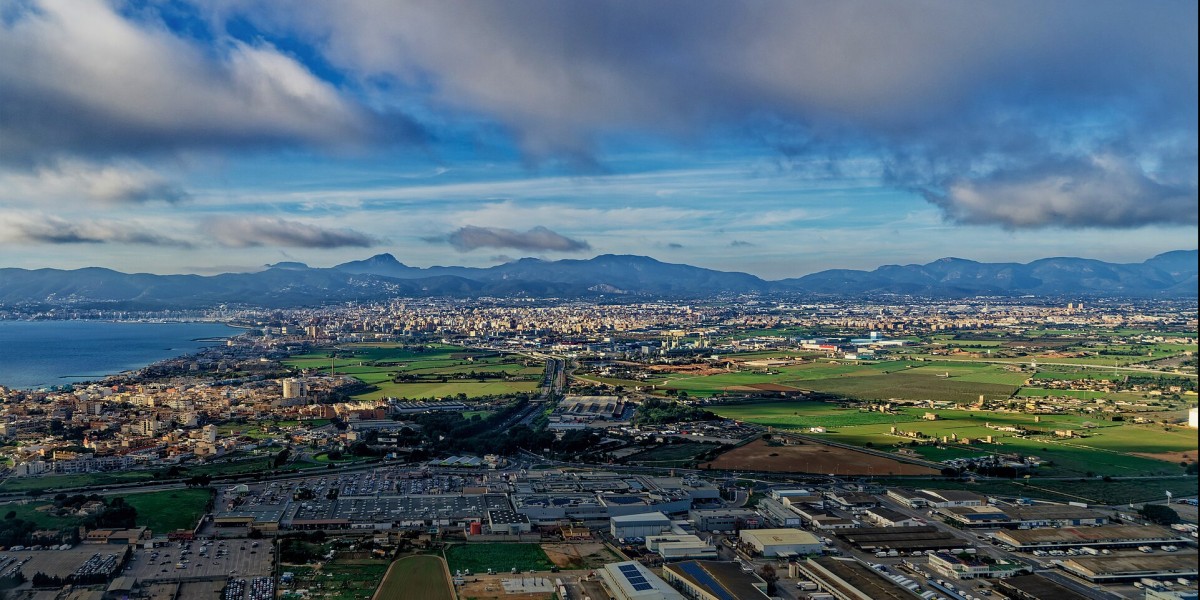
How many inhabitants are there in Mallorca in summer?
Mallorca's actual population increases significantly during the summer due to the arrival of tourists and seasonal workers. The Human Pressure Indicator (HPI), which measures the number of people present on the island, recorded an average of 1,454,854 people per day in August 2025.
The peak summer figure reached 1,492,531 people, a record high for Mallorca. This means that on the busiest days, the island hosted more than half a million people above its registered population.
The most populated municipalities of Mallorca
Mallorca's population is concentrated primarily in Palma and the municipalities surrounding its metropolitan area. Several other towns also have significant tourist, commercial, and industrial activity, as well as sizeable urban populations.
- Palma de Mallorca – 434,786 inhabitants: The Balearic capital is home to nearly half of the island's population. It is the main administrative, economic, healthcare, educational and transport hub.
- Calvià – 53,793 inhabitants: Located in the southwest of the island, it is one of Mallorca's leading tourist destinations. Areas such as Magaluf, Palmanova, Santa Ponça and Peguera contribute to its demographic importance.
- Manacor – 49,153 inhabitants: It is one of the main urban centres on Mallorca's east coast, with a strong commercial, industrial and service economy, as well as an extensive coastline.
- Llucmajor – 40,502 inhabitants: Llucmajor stands out for its large area and the diversity of its residential, rural and coastal settings. The municipality includes areas such as s'Arenal, Cala Pi, and Bahía Grande.
- Marratxí – 40,422 inhabitants: Part of the Palma metropolitan area, it has grown considerably as a residential municipality over recent decades.

Living in Mallorca
Living in Mallorca means enjoying the services and opportunities of an island with a large capital city, while remaining within easy reach of beaches, rural landscapes and the Tramuntana mountains. Palma concentrates a large share of employment opportunities and amenities, while other towns offer a more relaxed pace of life. However, strong demand for housing and tourist accommodation remains one of the main challenges for residents.