Spain has submitted its draft National Nature Restoration Plan to the European Commission, setting out proposed measures to restore damaged ecosystems across the country.
The plan, submitted on 31 August 2026, covers terrestrial, coastal, marine, freshwater and urban environments. It also includes action intended to halt the decline of pollinating insects, improve biodiversity in farmland and forests, and strengthen ecosystems’ capacity to cope with climate change.
The European Commission will assess the document and may make observations before Spain submits its final National Nature Restoration Plan, which is due by 1 September 2027.
A national plan under EU nature restoration rules
Spain’s proposed plan responds to Regulation (EU) 2024/1991 on nature restoration. The regulation establishes legally binding objectives for EU member states to restore degraded ecosystems and improve their conservation status.
Each country must prepare a national plan detailing the actions it expects to take. Spain’s draft brings together measures across different types of ecosystems and territories, following the common format required by the European Commission.
According to the government, the plan is intended to help improve biodiversity and environmental conditions while supporting activities that depend on healthy ecosystems. These include water regulation, soil fertility, pollination and protection against extreme weather events.
Urban green spaces and tree cover
One of the most relevant elements for people living in Spanish towns and cities is the attention given to urban green space and tree cover.
The draft plan includes measures intended to prevent a net loss of green areas and tree cover in urban settings before 2030. It also proposes longer-term action to increase green infrastructure in cities.
The government presents urban nature as part of Spain’s wider approach to climate resilience. Parks, trees and other green spaces can support environmental quality while contributing to efforts to address the effects of extreme weather.
Restoring rivers, floodplains and marine habitats
Freshwater systems are another major part of the proposal.
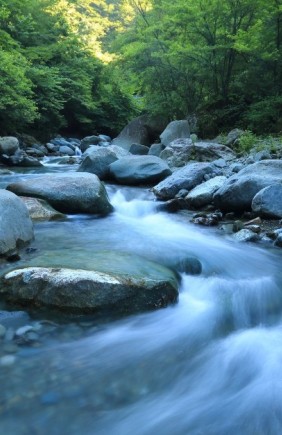
The draft includes measures to improve the condition of rivers, restore ecological functions and strengthen the connection between waterways and floodplains. It also refers to work to remove artificial barriers and recover more free-flowing stretches of river.
The government says such measures are intended to improve the health of freshwater ecosystems and support the recovery of their natural functions.
Along Spain’s coast and in marine areas, the plan outlines actions to improve degraded habitats. It also includes the possible restoration of seagrass meadows, which form an important part of marine ecosystems.
Supporting pollinators, farmland and forests
The plan includes measures designed to halt the decline of pollinator populations and encourage their recovery. The government’s proposal includes action aimed at improving conditions for these species as part of the country’s nature-restoration commitments.
Agricultural ecosystems are also included, with measures focused on biodiversity, sustainable agricultural practices and the conservation of landscape features. The plan refers to maintaining high-nature-value farming systems as part of this approach.
In forested areas, the proposed measures would seek to improve biodiversity, forest structure and naturalness. The government links this work to greater resilience against climate change and forest fires, as well as water regulation and carbon storage.
Spain also expects the plan to contribute to the wider European objective of planting three billion additional trees.
What happens next for Spain’s nature restoration plan
The European Commission will now examine Spain’s draft plan and may make observations on its content.
Spain must then prepare and submit its final National Nature Restoration Plan by 1 September 2027. The final document is intended to become the national framework for applying the obligations and objectives set by the EU Nature Restoration Regulation.
The government says the plan will help coordinate restoration measures between administrations, identify funding needs and prioritise actions according to environmental, territorial and effectiveness criteria.