All Saints’ Day in Spain, or Día de Todos los Santos, falls on Sunday 1st November 2026. It is a national public holiday and an important day of remembrance, though its practical impact on work, shops, and services varies by region.
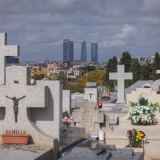
For many people, the days around 1st November are spent visiting family graves, taking flowers to cemeteries and picking up traditional pastries from the local bakery. Halloween falls the day before, but its costumes and parties are separate from the quieter customs associated with All Saints’ Day.
Is All Saints’ Day a public holiday in Spain?
Yes. All Saints’ Day is a national public holiday in Spain each year on 1st November. In 2026, it lands on a Sunday, so much of the country will follow its usual Sunday timetable.
A Spanish public holiday that falls on a Sunday is not automatically moved to Monday across the country. Autonomous communities set their own working calendars and can name an alternative regional day off.
All Saints’ Day in Spain in 2026
Sunday 1st November 2026 is a festivo nacional, meaning All Saints’ Day is officially recognised throughout Spain. Banks, public offices, schools and many local businesses will be closed, although Sunday trading rules already mean that many would not normally open.
Monday 2nd November 2026 and regional holidays
Several autonomous communities have made Monday 2nd November a regional public holiday in 2026, turning All Saints’ Day into a three-day weekend for many workers and schoolchildren.
The arrangement is not nationwide, so Monday may still be an ordinary working day just a short distance away. Local public transport, school calendars, council services and shop opening hours can therefore vary considerably by region. The full picture of Spain’s regional bank holidays on 2nd November sets out where the extra day off applies.
The meaning of Día de Todos los Santos in Spain
Día de Todos los Santos honours all saints in the Catholic calendar. For many families in Spain, it is also closely linked with remembering relatives who have died.
Religious observance varies, as does the way people mark the date. Some attend Mass, while others use the weekend mainly as a chance to visit a cemetery and spend time with family. The common thread is remembrance rather than celebration in the party sense.
All Saints’ Day and All Souls’ Day
All Saints’ Day takes place on 1st November. All Souls’ Day, or Día de los Difuntos, follows on 2nd November and is traditionally dedicated to remembering the dead more broadly.
The two dates often blur together in daily life. Cemetery visits, flowers and family gatherings may take place across the weekend, particularly in regions where Monday 2nd November is also a day off.
All Saints’ Day in Spain and Día de los Muertos
Spain’s All Saints’ Day should not be confused with Mexico’s Día de Muertos. Both are connected to remembrance, but their customs have developed differently.
In Spain, the period is generally more private and reflective, centred on cemetery visits and floral tributes. Mexico’s traditions commonly include home altars, or ofrendas, decorated skulls and more public visual displays.
All Saints’ Day traditions in Spain
All Saints’ Day traditions in Spain centre on families and memory. In the days before 1st November, florists become particularly busy, with chrysanthemums and other arrangements appearing outside cemeteries and in local markets.
The atmosphere can feel solemn in the morning, then more social later in the day as families meet for lunch. Customs still vary considerably between regions, towns and households.
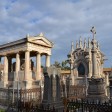
Many people visit the cemetery to clean a relative’s grave, leave fresh flowers or spend a quiet moment with family. Cemeteries may extend opening times or organise traffic arrangements around the date, especially in larger cities.
In Catalonia and the Balearic Islands, the period overlaps with Castanyada, a seasonal tradition centred on roasted chestnuts, sweet potatoes and panellets, small almond-based sweets.
The Canary Islands mark Noche de Finaos in some places, with local events connected to remembering relatives and sharing traditional food. In other parts of Spain, the customs are less formal and revolve around flowers, church services and an unhurried family meal.
Are shops open on All Saints’ Day in Spain?
Opening hours on All Saints’ Day in Spain depend on the location and type of business. As 1st November 2026 is both a national public holiday and a Sunday, expect many shops, banks and public offices to be shut.
Restaurants, cafés and businesses in visitor-heavy areas may open, though often with reduced hours. Some supermarkets and shopping centres will also operate, but it is sensible to check local schedules rather than relying on normal Sunday hours.
All Saints’ Day Spain opening hours for services and attractions
Museums, monuments and tourist attractions set their own public-holiday schedules. Some will close, while others may run shorter opening hours or require timed entry.
Public transport usually runs, though city buses, metro services and regional trains may use a Sunday or public-holiday timetable. Pharmacies work through the local farmacia de guardia system, ensuring that at least one designated pharmacy remains open in each area.
Planning a long weekend around 1st November 2026
The long weekend applies in regions that have declared Monday 2nd November a public holiday. In Madrid, Andalucía, Asturias and the other participating communities, accommodation and intercity transport may be busier than usual.
Travelling between regions can be a bit of a mixed bag. A restaurant, museum or shop may be open as normal in one area but closed for a regional holiday just across the border.
All Saints’ Day food in Spain
The start of November has its own bakery counter in Spain. These sweets are traditionally tied to Todos los Santos, rather than being Halloween party food, and many appear for only a few weeks each year.

Traditional Todos los Santos sweets
- Huesos de santo are marzipan tubes, usually filled with sweet egg yolk. Their name translates rather literally as “saints’ bones”, though the flavour is far less dramatic.
- Buñuelos de viento are light fritters, often filled with cream, custard, chocolate or coffee-flavoured fillings.
- In Catalonia and the Balearic Islands, panellets tend to take centre stage during Castanyada, alongside roasted chestnuts and boniatos.
The wider season also brings plenty of seasonal autumn treats in Spain, particularly in bakeries and neighbourhood markets.
Halloween and All Saints’ Day in Spain
Halloween on 31st October and All Saints’ Day on 1st November sit side by side on the calendar, but their tone is very different. Halloween has become increasingly visible through school activities, themed nights and costume events, while Todos los Santos remains rooted in remembrance and family customs.
Halloween traditions in Spain cover that separate side of the late-October calendar, along with the changing ways the occasion is marked around the country.
Stay in the know about living in Spain as a foreigner—get our weekly newsletter for the latest travel, legal, and lifestyle news.