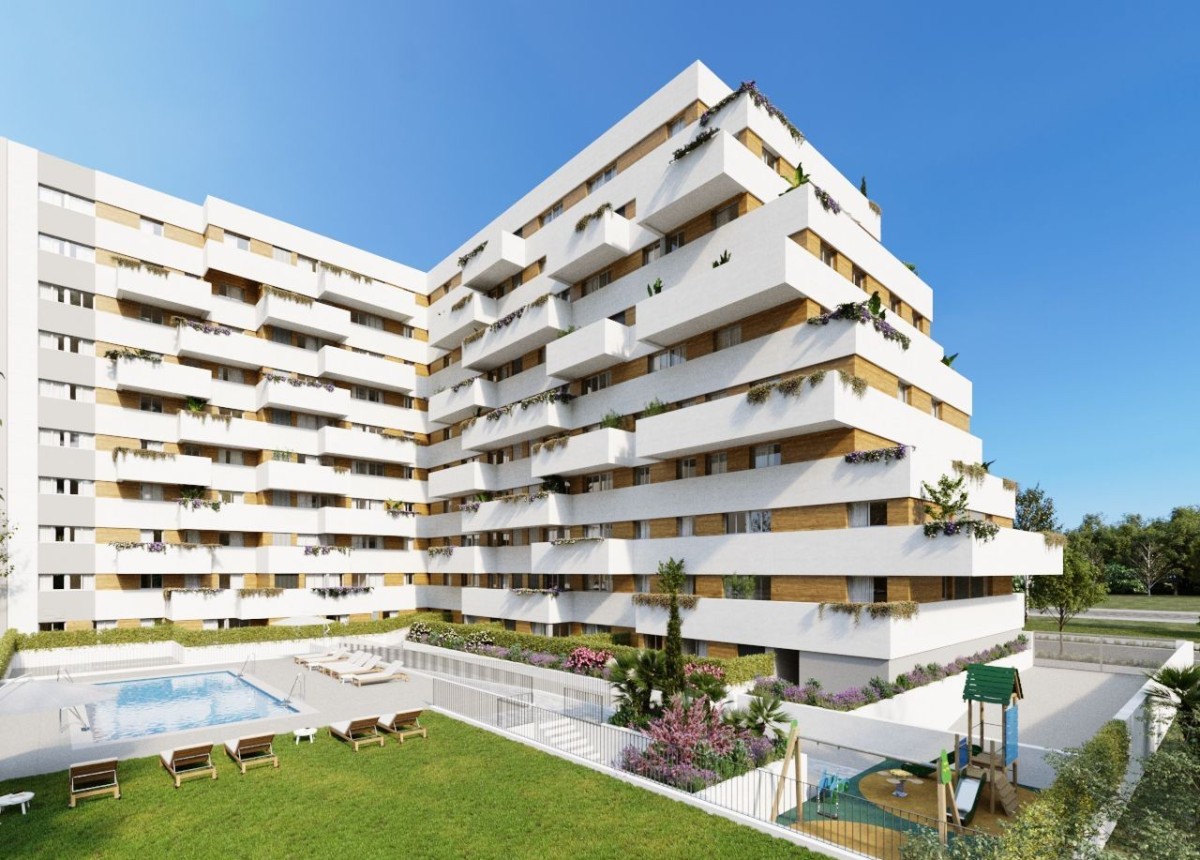

If you are considering buying property in Spain, you may come across the term VPO. It appears frequently in listings, legal documents, and urban planning information, but many international buyers are unsure what it actually means.
So, what is VPO in Spain? In short, VPO refers to subsidised or protected housing, also known in the UK as social housing, designed to make property more affordable for residents who meet certain criteria. Understanding how it works is essential before committing to a purchase.
In this guide, we explain what VPO is, who can buy it, its restrictions, advantages, and whether it is suitable for foreign buyers.
- What does VPO mean?
- Purpose of VPO housing in Spain
- Types of VPO property
- Who can buy a VPO property?
- Can foreigners buy VPO in Spain?
- Restrictions on VPO properties
- How long does VPO protection last?
- Advantages of buying VPO
- Disadvantages of buying VPO
- How to check if a property is VPO
- Is VPO right for you?
- Final thoughts
What does VPO mean?
VPO stands for “Vivienda de Protección Oficial”, which translates into English as Officially Protected Housing.
These homes are promoted or regulated by public authorities to ensure access to housing for people with limited income. The government controls the price, size, use, and resale conditions of these properties.
Unlike free-market property in Spain, VPO homes are subject to legal limits designed to prevent speculation and keep housing affordable for local residents.
Purpose of VPO housing in Spain
The main objective of VPO is social:
- To make housing affordable
- To help young buyers and families
- To avoid real estate speculation
- To promote primary residences rather than investment property
VPO properties are not created for profit maximisation. Instead, they support people who cannot easily access the open property market.
Types of VPO property
Spain has several categories of protected housing, depending on region and income level. Although rules vary by autonomous community, VPO generally includes:
- Publicly promoted housing
- Private developments with price limits
- Subsidised rental housing
- Price-capped resale properties
Some VPO homes eventually become “liberated”, meaning the protection expires and they enter the free market after a certain number of years.
Who can buy a VPO property?
Not everyone qualifies for VPO. Buyers must meet specific conditions, which usually include:
- Being legally resident in Spain
- Not owning another property
- Using the home as a primary residence
- Staying within income limits set by the region
- Registering in the local housing authority system
Each autonomous community (Andalusia, Valencia, Catalonia, Madrid, etc.) applies its own income thresholds and procedures.
This means that for many foreign investors, VPO is not suitable as a second home or rental investment.
Can foreigners buy VPO in Spain?
Yes, but with limitations.
Foreigners can buy VPO if they:
- Are legal residents
- Meet income and ownership conditions
- Use the home as their main residence
If you are buying in Spain purely as an investor, holiday homeowner, or non-resident, VPO properties are usually not permitted.
Always check with the regional housing authority before making an offer.
Restrictions on VPO properties
One of the most important aspects of VPO is its restrictions:
Price limits
The sale price is capped by the government.
Use requirement
The property must be your primary residence, not a holiday home.
Rental restrictions
In most cases, renting out a VPO property is forbidden or heavily regulated.
Resale conditions
You cannot sell freely at market price during the protection period.
Authorisation needed
Selling or renting often requires government approval.
Breaking these rules can lead to serious fines or forced restitution.
How long does VPO protection last?
The protection period varies by region and development, but typically lasts:
- 10 to 30 years
After this period, the home may become free market property (known as descalificación). Once liberated, the owner can sell without price limits.
However, the owner may need to formally request declassification from the local authority.
Advantages of buying VPO
Despite restrictions, VPO offers several benefits:
- Lower purchase prices
- Access to housing in high-demand areas
- Government protection for buyers
- Reduced speculation
- Stability for long-term residents
For first-time buyers living in Spain permanently, VPO can be a very attractive option.
Disadvantages of buying VPO
There are also downsides:
- No short-term investment potential
- Limited resale profit
- Bureaucratic process
- Restrictions on renting
- Eligibility requirements
For international buyers seeking flexibility, VPO is often less suitable than free-market property.
How to check if a property is VPO
Before buying in Spain, always verify whether a property is VPO by:
- Checking the Nota Simple
- Reviewing the title deed (Escritura)
- Asking the regional housing department
- Consulting a Spanish property lawyer
Many buyers only discover restrictions after purchase, which can cause legal and financial issues.
Is VPO right for you?
VPO housing in Spain is designed for people who want a long-term main residence, not for investors or second-home buyers.
If you are relocating permanently to Spain and meet the criteria, VPO can offer excellent value. However, if your goal is flexibility, rental income, or resale profit, a free-market property is usually the better option.
Final thoughts
Understanding what VPO is in Spain is essential before signing any contract. While protected housing provides affordable access for residents, it comes with strict legal limits that affect ownership, renting, and resale.
Always take professional advice and confirm the property’s legal status before buying.
If you are unsure whether a listing is VPO or free market, a qualified real estate professional or lawyer in Spain can help protect your investment.
Andalusia’s new Housing Law comes into force: what it means for buyers and renters
Andalusia’s new Housing Law has now come into force, through which the government of Juanma Moreno aims to ease the housing crisis and reduce the region’s housing shortfall, estimated by the Bank of Spain at 90,000 homes.
Record prices and rising demand: foreigners still driving Spanish real estate
According to notaries, over 71,000 homes were bought by foreigners in the first half of 2025, up 2% from 2024. This is the first time since late 2022 that transactions surpassed 70,000 units, highlighting Spain’s continued appeal as a residential and tourist destination.
This Spanish hot-spring town is ideal for a winter getaway
Just half an hour from Barcelona, Caldes de Montbui is the perfect winter destination: a town steeped in Roman history, boasting some of the hottest thermal waters in Europe, an ideal natural setting for unwinding, and local fare that has made it a culinary hotspot. A European getaway that combines relaxation, culture and fine dining.
Squatted homes for sale: why so many and where they're sold in Catalonia
In just a few years, the number of occupied properties offered for sale has grown sharply. A large proportion are located in Catalonia, where transactions are increasing. Most buyers are investors or professionals familiar with this niche and with managing occupied homes, but the phenomenon is spreading, driven by attractive prices and a shortage of available housing.
Renovated homes for sale in Spain
If you’re planning to buy property in Spain in 2026, renovated homes for sale offer an excellent balance of traditional Spanish charm and modern comfort. From coastal villas and countryside fincas to stylish city apartments, refurbished properties across Spain are move-in ready and designed for effortless living.