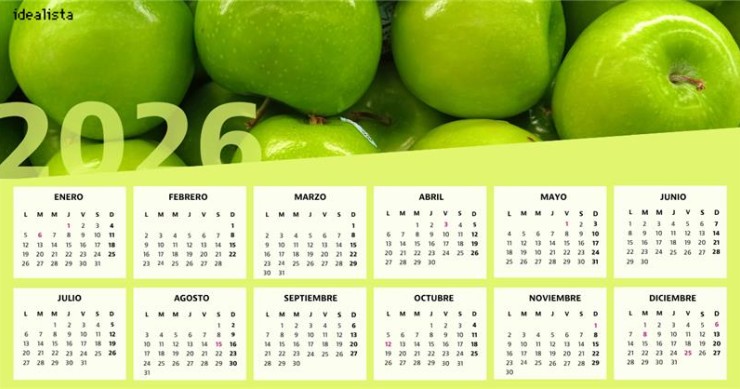
All Saints’ Day in Spain, or Día de Todos los Santos, falls on Sunday 1st November in 2026. Although it is a national holiday, Spain does not automatically move it to the Monday.
The clocks change every autumn in Spain, bringing with it a recurring question: when do the clocks change, and how will it affect daily life? The adjustment is linked to the return to standard time and is implemented simultaneously across European Union countries.
As the 2026–2027 school year approaches, some regions in Spain have already started confirming their term dates. School calendars can be a bit of a minefield here, especially with each autonomous community setting its own schedule on top of the national holidays that everyone enjoys. While
A red day in Spain is the everyday name for a public holiday, usually printed in red on calendars. It can affect a viewing, school plans, deliveries, train timetables and the slightly heroic task of getting paperwork done.Spain does not operate on one single holiday calendar.
Holy Week is one of the most important periods in Spain’s calendar, drawing thousands to its religious processions, public holidays and family gatherings.
Spain’s public holiday system isn’t just about national dates like Christmas or Constitution Day. Each autonomous community also sets its own regional public holiday, or festivos, and every city chooses two local holidays on top.
Many bank holidays in Spain can be hard to keep track of, due to variations in holiday calendars across the country. Public holidays in Spain often depend on the region and, in many cases, the city itself.
Early December can reshape work and travel plans across Spain, with closures and altered schedules felt nationwide for the December bank holiday weekend.
Spain's calendar is peppered with public holidays, known locally as festivos. Many of these days off are rooted in the country's Catholic traditions, often marking feast days for various saints or other important religious events.