Continuing on last week’s post (10% VAT on holiday homes), holiday home landlords must now raise VAT invoices with their guests as of the 1 December 2026. This is because the tax office now regards holiday homes as running a business activity.
Spain approved a new housing decree in October 2026 which introduces a slew of significant novelties, including for holiday homes. Chief among them, holiday homes are now equated to running a business.
Foreign demand for Spanish property continues to grow, making it increasingly important for buyers to understand the taxes that apply to non-resident homeowners. The purchase of a property is subject to VAT or Property Transfer Tax (ITP), depending on whether the home is new or resale, while Stamp Duty (AJD) may also apply. Non-residents who own property in Spain must meet ongoing tax obligations, and sellers are required to declare any capital gain or loss through Spain's Non-Resident Income Tax (IRNR) system.
Disclaimer: the information contained in this article is provided for general information purposes only and may not reflect the most current legal developments.
Plusvalia tax is a devolved tax levied by the town hall where your property is located. It taxes the increase in value of the land (hence its Spanish namesake, plusvalia, or increase in value).
Unbeknownst to most non-resident property owners, when buying property in Spain, you automatically become liable to pay IBI tax the following year. No one will give you a heads-up on this tax, so it is up to you to find out how much you owe and comply with your local Tax Authorities.
Congratulations, you are now the proud owner of a Spanish property! It’s understandably a time to be giddy and excited. But has anyone bothered to tell you about the ongoing maintenance costs and taxes of owning a Spanish property?
Continuing with last week's article (Taxes on buying property in Spain), in today’s article, we focus on the taxes sellers need to face.Capital Gains Tax Plusvalia TaxCapital Gains Tax This tax is paid to the central government, to the Spanish Tax Office (AEAT).CGT is taxed on th
Taxes in Spain differ depending on whether you are buying a new-build (from a developer) or resale property (second-hand property or reventa, in Spanish). In addition to the above, taxes are not uniform in Spain.
Buying in Spain can feel deceptively straightforward. You find a place you love, agree on a price, sign a few documents at the notary and pick up the keys.
A new draft bill in Spain proposes doubling property prices for non-EU buyers, aiming to curb foreign investment in certain regions and make housing more accessible for locals. If passed, the legislation could significantly impact non-European investors, particularly in popular coastal and urban areas.
On Monday the 13th of January, Spain’s president proposed to levy a tax of 100% tax on home purchases by non-EU nationals (e.g. American and British citizens).
The Madrid Assembly has given final approval to the tax incentive for foreign investors, along with a series of tax deductions for housing.According to the regional government's estimates, the eight new aids approved for housing and depopulation will result in a tax saving of over €150 million for M
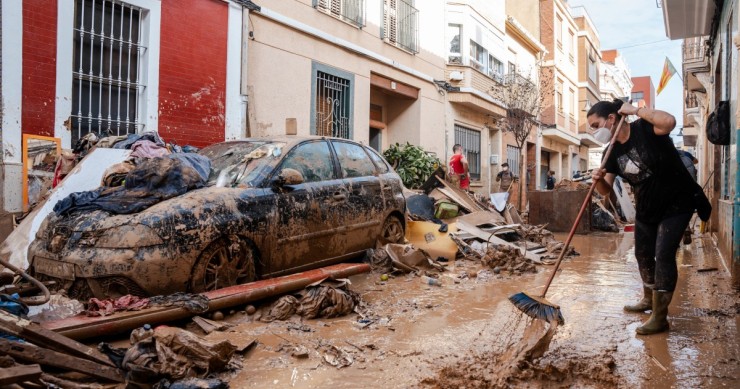
The Valencian Council has approved a decree law establishing extraordinary tax measures to provide immediate support to families and companies affected by the recent floods for those taxes over which the Valencian Community has regulatory powers.
Spain: tax haven or tax hell? Actually, it’s both.
In John Boorman’s 1981 Excalibur movie, there is a part of the dialogue between Merlin and King Arthur where Merlin explains he is a dream to some but a nightmare to others.
Many property owners frequently discover that their property registration in the Cadastre contains errors, especially about the property's surface area.
When buying or inheriting a property, the owner may be subject to a value assessment by the Tax Authorities, to check that they are paying enough tax for the property.