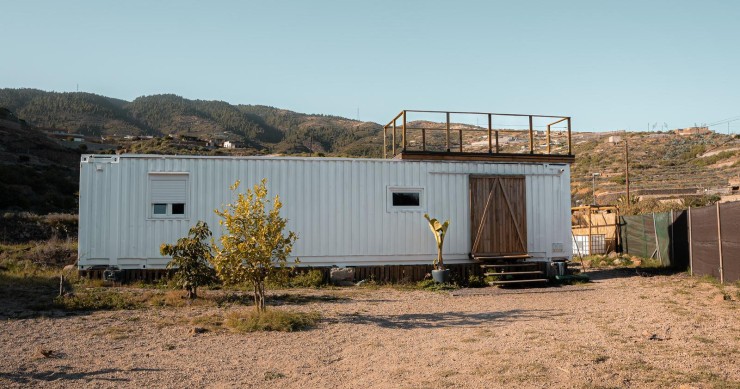
Container homes are growing in popularity thanks to their affordability, eco-friendliness and quick build times. However, despite their unconventional design, they must comply with the same legal and bureaucratic requirements as traditional homes. If you're planning to build a container home, here are the key steps to follow to obtain planning permission in Spain.
Building your dream home in Spain begins with purchasing a plot of land that meets the requirements of your project. The plot is one of the key factors influencing the overall cost.The expense of acquiring land goes beyond its price – it also includes taxes and additional fees.
Generally, whenever you want to renovate or carry out building work in your home, you need to apply for a building permit. Though some small renovations do not require any permit type, most do, and you must factor in this expense.
Over the last few years, the construction landscape in Spain has changed considerably. Modular and prefab homes, a long-standing trend in countries such as the United States, have burst onto the scene, as many advantages are attributed to them.
Prefabricated homes are a booming industry in Spain, especially since the coronavirus pandemic, and knowledge about them is becoming more common. You've probably heard the terms prefab homes and prefab modular homes before.
Building a custom-built house is a dream that many people who have a plot of land. But when it comes to making the project a reality, there are many issues to take into account.
If there is one thing that characterises the building tradition in Spain, it is the well-known and much feared cost overruns. Many Spanish people consider it 'normal' that building work ends up going over budget, regardless of what is being built.
Country houses are always a big attraction for both Spanish nationals and tourists from other countries. In Spain, moreover, it is common to use these rural properties for short-term rentals and weekend getaways, and this trend shows no sign of stopping.
There is a famous phrase that says, “ignorance of the law is no excuse” and construction work is subject to building law. There are a number of rules and regulations at national, community and local levels which must be observed so as not to create problems at a later date.