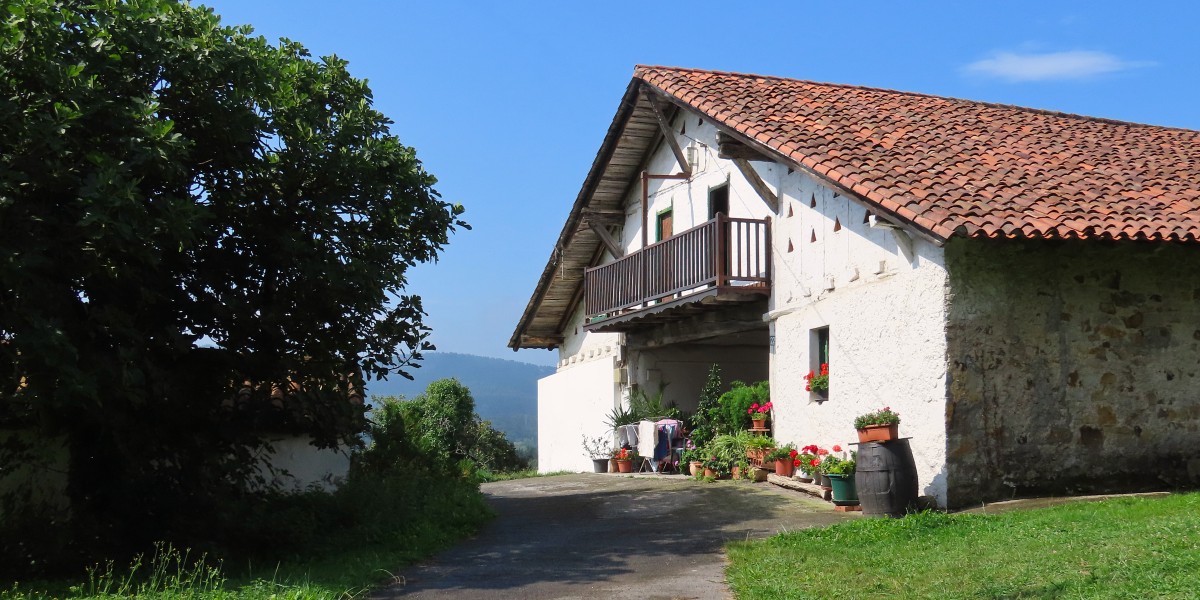

Traditionally, squatters in Spain have targeted vacant houses or centrally located flats. In recent months, however, the trend appears to have shifted, with a rise in the unlawful occupation of country homes, farmland and even parking spaces.
According to the Institute of Economic Studies, almost 16,500 complaints of illegal occupation were filed in 2024 – 7% more than the previous year. While this figure remains small in proportion to the overall housing stock, the social and media impact is considerable, particularly in Catalonia, Andalusia and the Valencian Community.
Those affected range from farmers discovering their barns and farmland had been taken over, to residents reporting they were unable to use their own parking spaces because someone else’s vehicle had been left there.
The rise in these cases is largely attributed to two factors: legal loopholes that make it difficult to recover properties not intended as primary residences, and growing concerns among homeowners who fear their homes may be occupied.
This shift is not unique to Spain. In France, too, squatting has been reported in rural houses, private estates and even canal boats – evidence of a wider trend that could worsen without decisive measures.
At the same time, there has been a surge in inquiokupación – tenants who stop paying rent and exploit the slow pace of the judicial system to prolong their stay.
Combined with sluggish legislative responses, this trend has fuelled anxiety among homeowners and is beginning to affect the availability of housing.
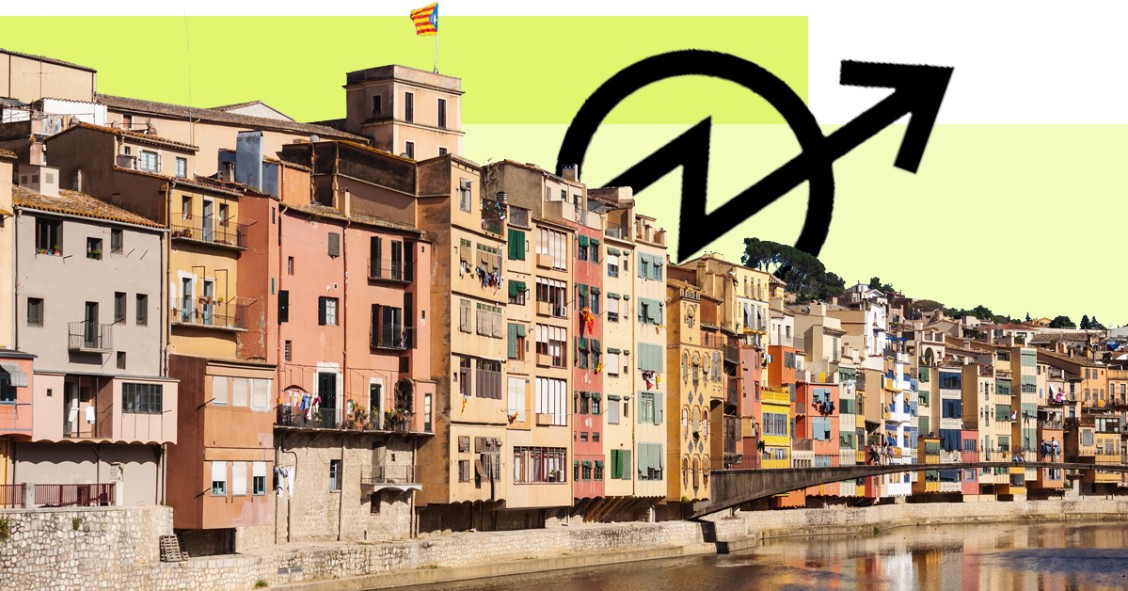
Squatters score victory in Girona as court orders home returned
A family in Girona believed they had finally ended the ordeal of seeing their home occupied. After months of helplessness, they used their own keys to reclaim what was rightfully theirs. But their relief lasted only a few days: a court ordered them to return the property to the squatters, ruling that the repossession had been carried out without judicial authorisation. The case has reignited debate over the legal complexities and perceived absurdities surrounding squatting in Spain.