For decades, the phrase Gibraltar tax haven has shaped political debate and cross-border tax planning in southern Spain. This month, Spain began the formal legal process to remove Gibraltar from its national list of tax havens, a designation that has been in place since 1991.
Spain begins removing Gibraltar from its tax haven list in 2026
In late May 2026, Spain’s Ministry of Finance launched the legal procedure to remove Gibraltar from its list of tax havens.
Gibraltar has appeared on Spain’s blacklist since Royal Decree 1080/1991 (July 1991), meaning the designation has lasted 35 years.
The draft Ministerial Order has been opened to a seven-day public consultation running until 1 June 2026, after which it will be published in the Boletín Oficial del Estado (BOE).
Why was Gibraltar considered a tax haven?
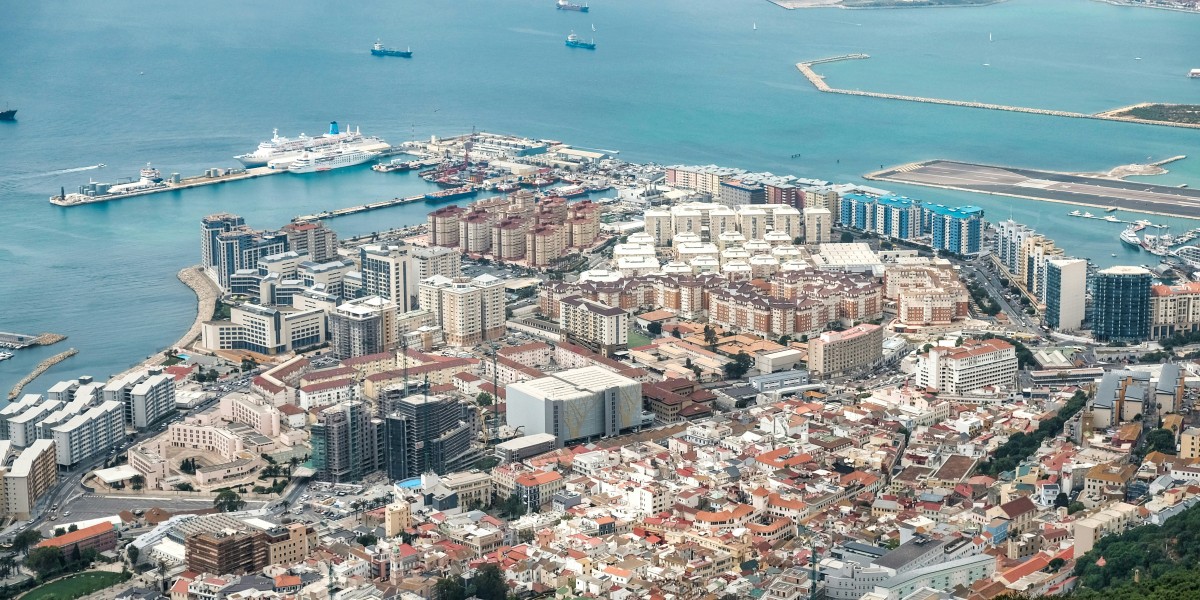
Gibraltar was classified by Spain as a non‑cooperative jurisdiction under its 1991 blacklist, a designation that implied concerns over fiscal transparency and tax fairness under Spanish law
Gibraltar has been recognised internationally for tax transparency, including by the OECD and EU, even while it remained on Spain’s own blacklist.
The 2021 Spain–UK tax treaty that reshaped the debate
A key turning point was the tax treaty between Spain and the UK in respect of Gibraltar, which entered into force on 4 March 2021.
The agreement has been widely viewed as a stepping stone towards Gibraltar’s eventual removal from Spain’s blacklist. The 2026 draft order is the concrete legal step towards delisting Gibraltar under Spain’s domestic rules.
Clear rules on Spanish tax residency
Under the treaty, individuals are deemed tax resident in Spain if:
- They spend more than 183 overnight stays per calendar year in Spain.
- Their spouse (not legally separated) or dependent family members reside habitually in Spain.
- Their only permanent home is in Spain.
- The majority of their assets are located in Spain
The agreement aims to prevent people or companies shifting their tax residence on paper to Gibraltar while maintaining their real economic ties in Spain.
What the removal of the tax haven label means in practice
The removal of Gibraltar from Spain’s blacklist has both symbolic and technical implications.
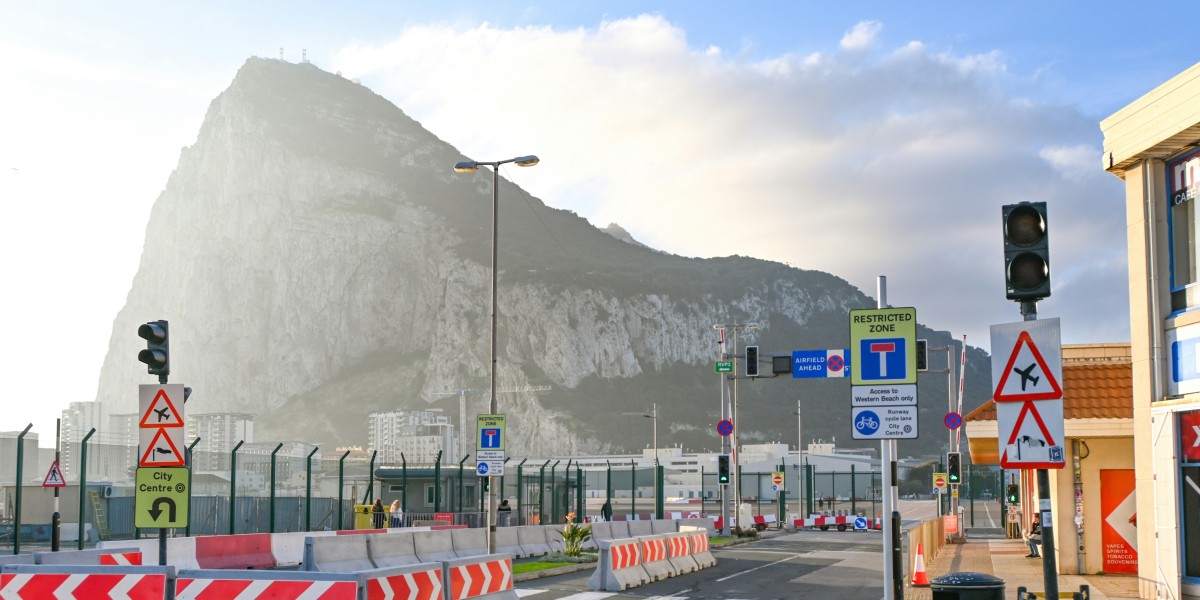
For cross-border workers
Many people live in southern Spain and work across the border in Gibraltar, a pattern that has long complicated tax affairs on both sides.
The Spain–UK tax treaty reflects “the reality on the ground” that an individual can be treated as tax resident in both Spain and Gibraltar in the same year, and seeks to establish tax residence only in Spain as the default in such situations
For individuals and companies
Under Spanish law, transactions with blacklisted jurisdictions can trigger stricter anti-avoidance measures and reporting requirements. Once Gibraltar is formally removed:
- Certain enhanced compliance rules linked specifically to blacklisted territories will no longer apply.
- Gibraltar will be treated differently under Spain’s domestic tax framework.
That said, the underlying residency and anti-avoidance rules introduced by the 2021 treaty remain firmly in place.
Border changes and tax alignment with the EU
Spain’s decision comes shortly before a broader EU–UK framework affecting Gibraltar’s post-Brexit relationship with the EU is set to take effect.

Key elements include:
- The removal of the physical border fence and the elimination of passport controls.
- Spain overseeing Schengen rules at Gibraltar’s airport and port.
- Progressive tax alignment with EU standards.
Gibraltar is expected to introduce an indirect tax similar to VAT, set at no lower than the EU minimum of 15%, alongside alignment of certain excise duties, such as tobacco, with further harmonisation expected for fuel and alcohol.
This gradual convergence with European fiscal standards further distances Gibraltar from the traditional characteristics associated with a low-transparency tax haven.
Stay in the know about living in Spain as a foreigner—get our weekly newsletter for the latest travel, legal, and lifestyle news.
For a taste of the high life, sign up for the monthly luxury market round-up.