Madrid can work very well for family life, particularly for households that want the convenience of a large city without giving up parks, schools, healthcare and straightforward public transport. The tricky bit is choosing an area that fits everyday routines as well as the budget.
Some families prioritise a short commute into central Madrid, while others need more space, access to international schools or a quieter setting outside the M-30. The best neighbourhoods in Madrid for families range from established central districts to the newer north-east areas, plus municipalities such as Las Rozas, Pozuelo de Alarcón and Rivas-Vaciamadrid.
Is Madrid a good place to live with a family?
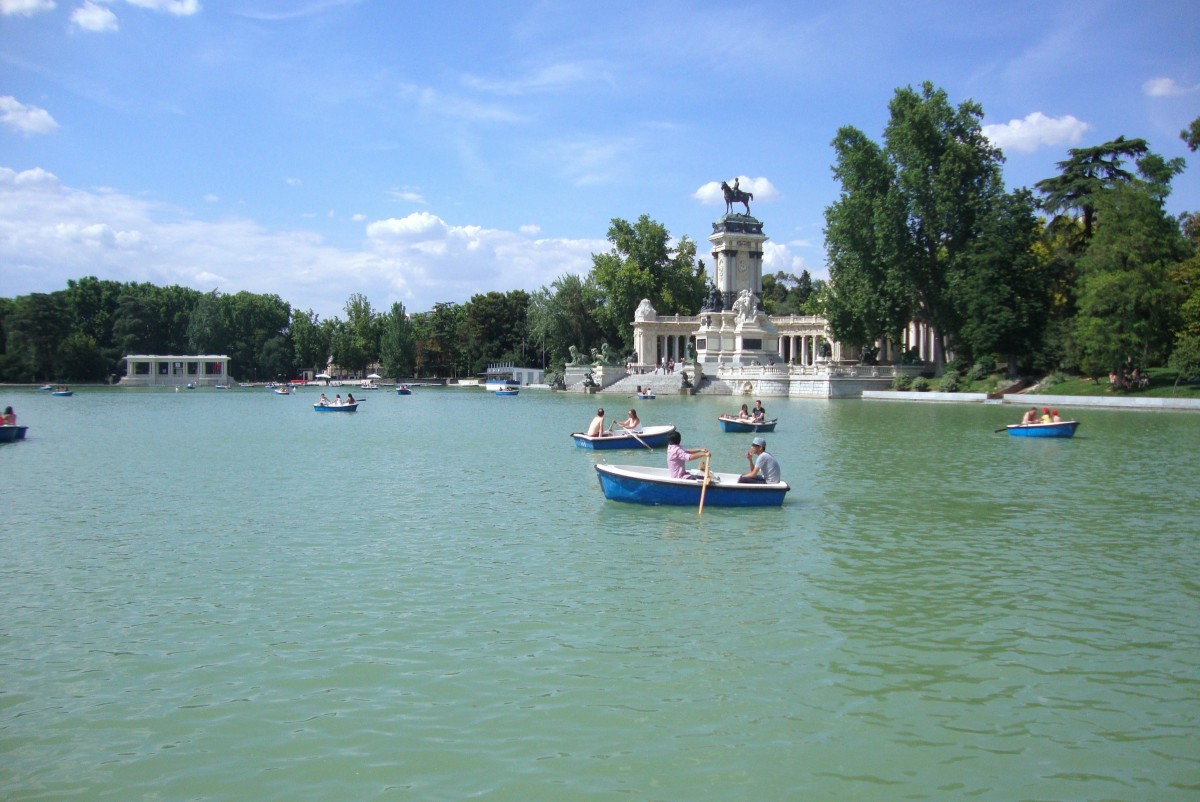
Madrid has plenty going for it for parents and children. Public parks are part of the city’s everyday fabric, not just weekend destinations, while Metro, Cercanías trains and buses make many areas manageable without using a car for every journey.
Parque del Retiro, Madrid Río, Casa de Campo and Parque Felipe VI in Valdebebas are among the larger green spaces where children can play, cycle and spend time outdoors. Smaller neighbourhood playgrounds, sports centres and municipal swimming pools also make a difference to daily life, particularly during Madrid’s long, hot summers.
The city has state schools, semi-private colegios concertados, private schools and a number of international schools. School admissions, language of instruction, catchment areas and fees vary widely, so the school search should run alongside the property search rather than being left until the last minute.
Madrid is generally considered a safe major European city. Day-to-day concerns are more likely to involve pickpocketing in crowded visitor areas or on busy transport routes than serious violent crime.
Family-friendly neighbourhoods in Madrid
The best area depends on what family life looks like day to day. Central districts bring short commutes and walkable routines, but homes can be smaller and expensive. Residential northern and north-east districts often have larger flats, newer buildings and more space, though parts can be more car-dependent.
Retiro
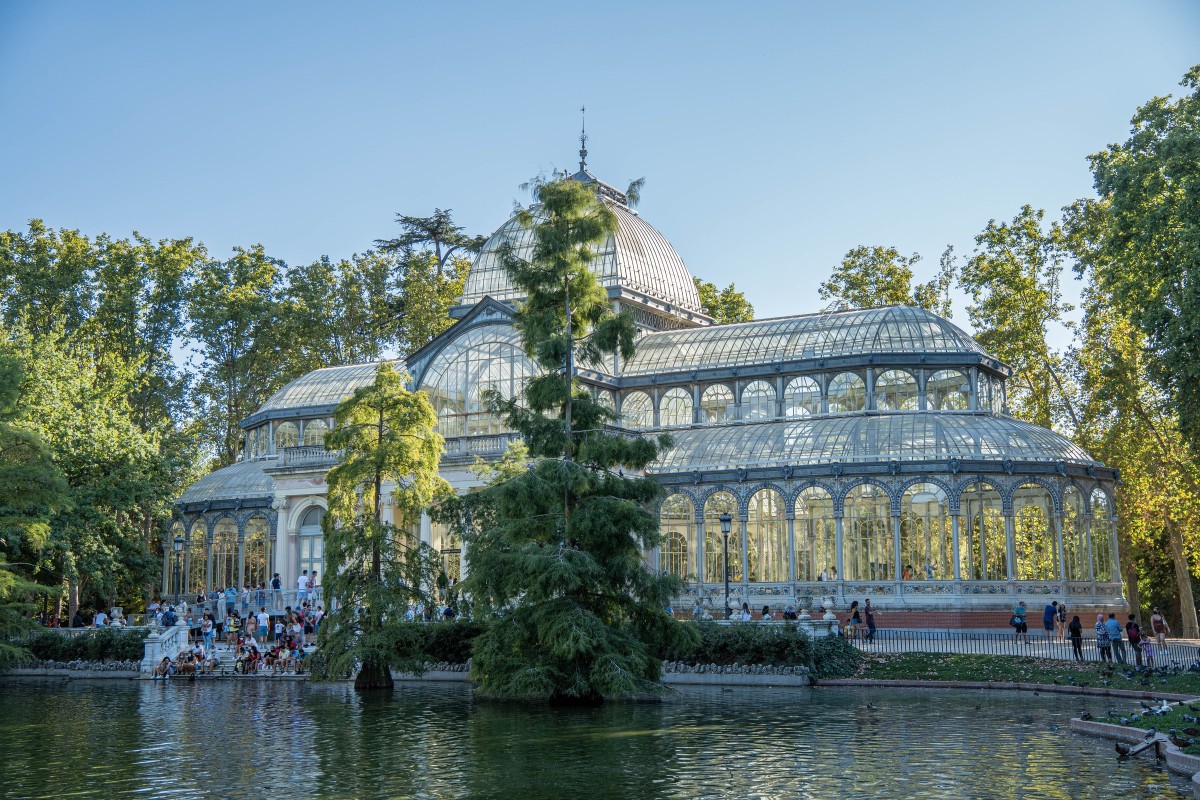
Retiro is a strong choice for families who want to stay close to central Madrid while having one of the city’s best-loved parks nearby. Parque del Retiro gives the area an obvious advantage for after-school walks, playground stops, cycling and weekend time outdoors.
The district also has shops, healthcare, schools and good public transport. Its residential streets can feel calmer than the city’s busiest visitor zones, especially away from the main roads around the park.
The compromise is price. Retiro is a premium central district, and family-sized homes are often costly to rent or buy. It suits households that place a high value on central living, park access and a shorter commute.
Chamberí
Chamberí suits families who want a central, walkable neighbourhood with cafés, local shops, schools and dependable Metro connections. Areas around Trafalgar, Ríos Rosas, Gaztambide and Almagro have a well-established residential feel, with plenty of everyday services close by.
It is less park-led than Retiro, though there are squares, smaller green spaces, sports facilities and easy access to other parts of the city. The district works well for parents commuting into central business areas or looking to manage much of family life on foot.
Housing is expensive by Madrid standards, and many homes are in older buildings. Larger flats can be difficult to find at a lower price point, so it helps to be clear about whether outside space, lift access, storage or bedroom size is non-negotiable.
Arturo Soria and the wider north-east
Arturo Soria is a long residential avenue and surrounding area running through parts of Ciudad Lineal and Hortaleza, rather than one single administrative neighbourhood. It is often on the radar for families who want quieter streets, more space and access to the north-east of Madrid.
The area has a mix of flats, houses, local shops, schools and sports facilities. Metro Line 4 and bus routes connect parts of Arturo Soria with the centre, while road access is useful for the airport, IFEMA and north-east business districts.
Conde de Orgaz
Conde de Orgaz is one of Madrid’s higher-cost residential areas, with detached houses, larger homes and quieter streets than central neighbourhoods. It appeals to families with substantial budgets who want private outdoor space while remaining inside the city boundaries.
Its north-east location works well for the airport, IFEMA and several international-school areas. The Lycée Français de Madrid is nearby, which may be relevant for French-speaking households and families looking at French-curriculum education.
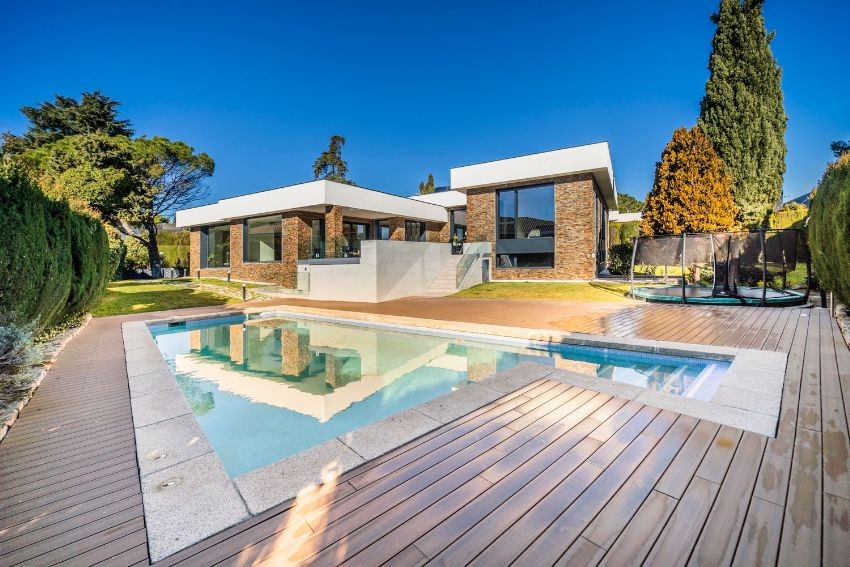
Mirasierra
Mirasierra, in northern Madrid, is a long-established residential area with larger flats, houses, schools and nearby green space. It can suit families who would rather have room to spread out than live in the centre, while still staying within Madrid municipality.
Metro and nearby Cercanías connections can make commuting manageable, and road links are useful for households that drive. It is also close to Monte del Pardo, giving the area a greener feel than many inner districts.
Sanchinarro
Sanchinarro is a practical north-east option for families looking for more modern housing, everyday services and access to areas around Chamartín, Hortaleza, the airport and IFEMA. It has supermarkets, schools, health services and larger residential developments than the city centre.
Many homes are newer than Madrid’s traditional central flats, which can mean better layouts, lifts, communal areas and more efficient heating or cooling. The trade-off is that it can feel less walkable and more dependent on buses, cars or the Metro Ligero for certain journeys.
Valdebebas
Valdebebas has become an established choice for families drawn to newer homes, green space and the north-east location. Parque Felipe VI, often called Parque Forestal de Valdebebas, is a major draw for outdoor time, cycling and weekend walks.
The area has broad streets, modern housing developments and good road access to the airport, IFEMA and the M-11. Newer homes may have better energy performance than older city-centre flats, which matters during Madrid’s very hot summers and cooler winter spells.
Family-friendly towns outside Madrid city
Living beyond Madrid municipality can mean more space, newer homes and access to gardens or communal pools. It can also mean a longer commute, greater dependence on a car and fewer spontaneous trips into the city. A trial journey during the school run or rush hour gives a much clearer picture than a map ever will.
Las Rozas de Madrid
Las Rozas de Madrid is a large north-western municipality that appeals to families looking for houses, sports facilities, shopping, schools and a more suburban rhythm. It has bus services, Cercanías stations and road links along the A-6 corridor.
It is a workable option for people whose jobs are in the north-west or west of Madrid. Commuting into the centre can take much longer than expected at busy times, though, especially by car. The municipality is spread out, so proximity to a station, school or workplace can make a significant difference.
Pozuelo de Alarcón
Pozuelo de Alarcón is a high-cost western municipality with established residential areas, schools, parks and larger homes. It is frequently considered by families who need more space and have a higher housing budget, particularly those working in west Madrid or near university campuses.
La Finca, within Pozuelo, is a private residential development associated with very high-end homes. Other parts of the municipality have a more conventional suburban feel, so it is worth looking beyond the most expensive addresses.
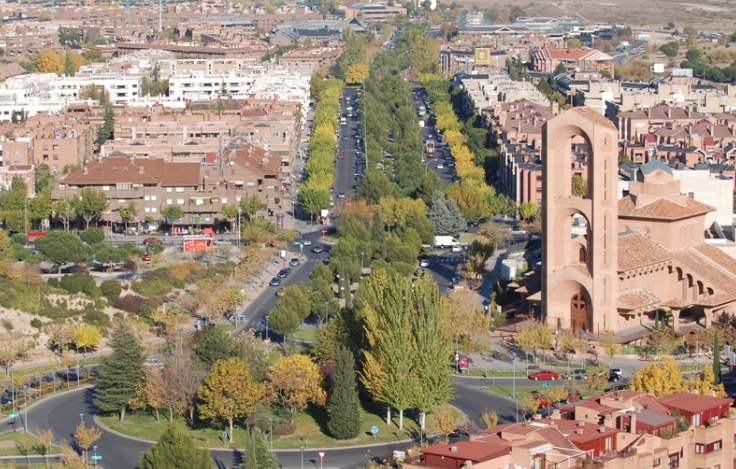
Alcobendas and La Moraleja
Alcobendas offers a wider range of family settings than its reputation for wealthy northern suburbs might suggest. Central areas have flats, shops, schools and Metro access, while La Moraleja and El Soto de la Moraleja are lower-density, higher-cost areas dominated by larger homes and private schools.
The municipality is convenient for the airport, north Madrid business districts and several international-school areas. Families can find a different rhythm in each part, so viewing several zones is worthwhile before deciding that Alcobendas is either exclusively suburban or exclusively expensive.
Rivas-Vaciamadrid
Rivas-Vaciamadrid is a sizeable municipality south-east of Madrid with newer housing, parks, sports facilities and a quieter pace than the centre. It is often considered by families who want more space and a more manageable property budget than in the north-western suburbs.
Metro Line 9 connects Rivas with Madrid, although the journey can be lengthy if work or school is in the north or west of the city. Its position near the Parque Regional del Sureste brings access to open space, though practical day-to-day life is easier for many households with a car.
Tres Cantos
Tres Cantos is a planned northern municipality with residential neighbourhoods, schools, sports facilities and a self-contained feel. It works especially well for families whose work is already centred in northern Madrid, nearby business parks or the Colmenar Viejo corridor.
Cercanías services and road connections link Tres Cantos with Madrid, though the commute is still a key consideration for people travelling daily to the centre or south of the city. The town’s layout, local services and green areas suit families looking for a more orderly suburban setting.
Safety and day-to-day life for families in Madrid
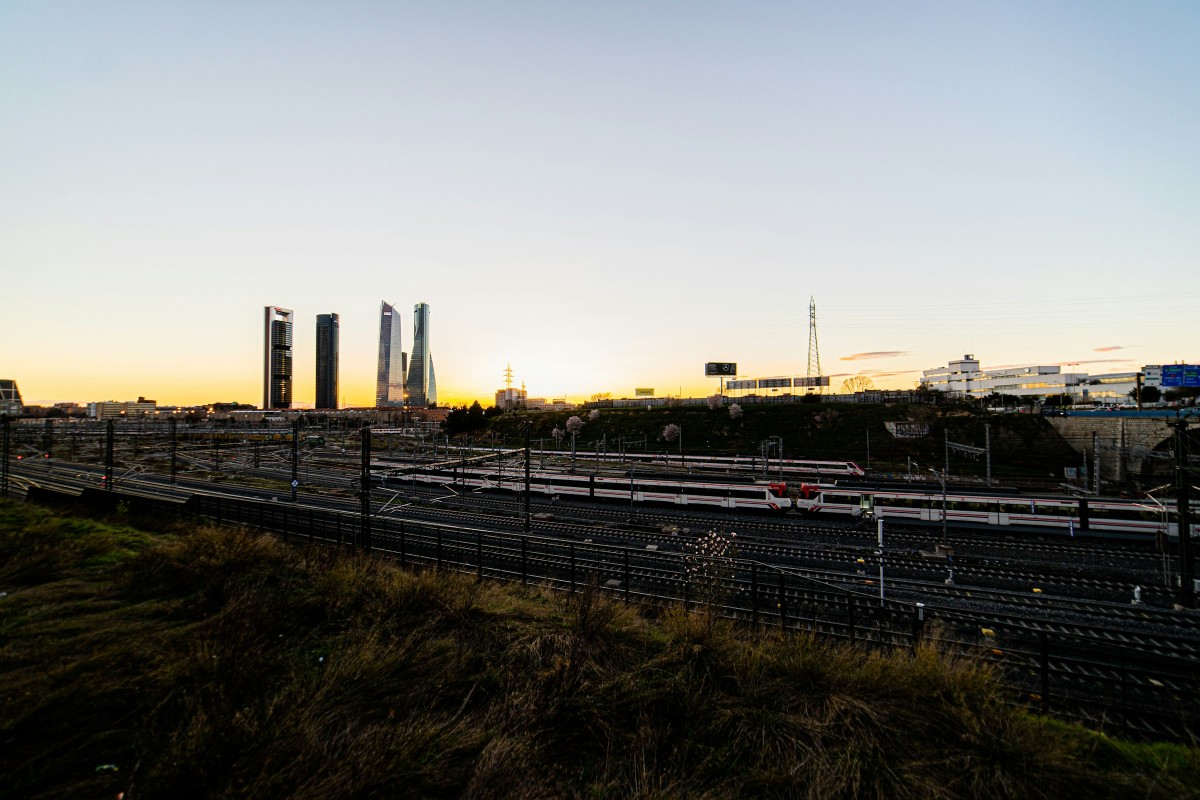
Madrid is generally a safe city for family life, but suitability comes down to far more than a broad district reputation. A street can feel entirely different at 8 am during the school run, in the heat of a July afternoon or after dark in winter.
When viewing a home, consider the route to school, the nearest Metro or bus stop, traffic levels, shade, playgrounds, pharmacies and food shops. It is also worth visiting at more than one time of day, particularly in areas close to major roads, nightlife zones or stadiums.
Established districts such as Chamartín, Retiro, Chamberí, Salamanca and El Viso are often associated with quieter residential streets and extensive local services, but they come with higher housing costs. For many families, a neighbourhood with a manageable commute, a reliable local school and a decent park nearby is the more useful definition of a good place to live.
Stay in the know about living in Spain as a foreigner—get our weekly newsletter for the latest travel, legal, and lifestyle news.