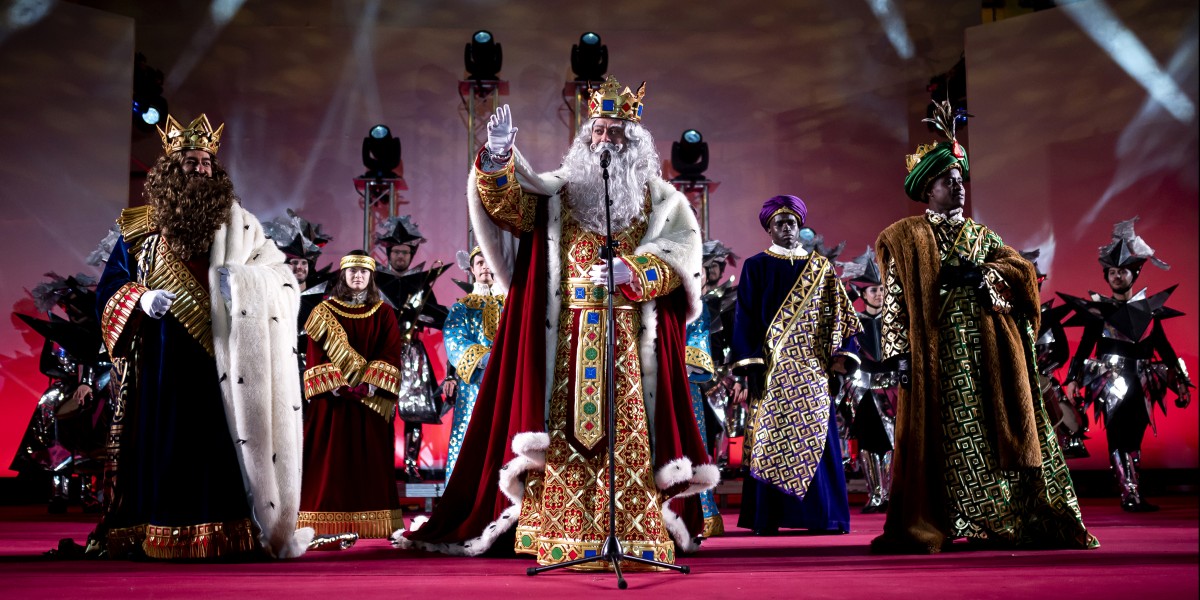

Spain’s festive season doesn’t end on Christmas Day. The Day of the Three Kings, known as Día de Reyes or Epiphany, is celebrated nationwide and holds a special place in family life.
When is the Day of the Three Kings in Spain?
The big date, Epiphany, is 6th January, when children wake to gifts from the Three Kings, or Reyes Magos: Melchior, Gaspar and Baltasar. It is a public holiday across Spain, so many shops and museums close or run shorter hours, and public transport may operate a reduced schedule. The night before, cities and towns host lively parades where the Kings arrive in style and throw sweets to the crowds.
Are shops open on Three Kings Day in Spain?
Most shops close on 6th January, with some tourist‑area exceptions. However, many open on 5th January with extended hours for last‑minute shopping.
What happens on 25 December vs 6 January in Spain
Spain’s festive rhythm splits across two key moments. On 24th December, Nochebuena brings everyone to the table for a late dinner. Christmas Day on 25th December is usually a quieter family day without too much going on. 6th January is when many children open their main presents, and families gather again for a long lunch.
Cabalgata parades — when and where to go
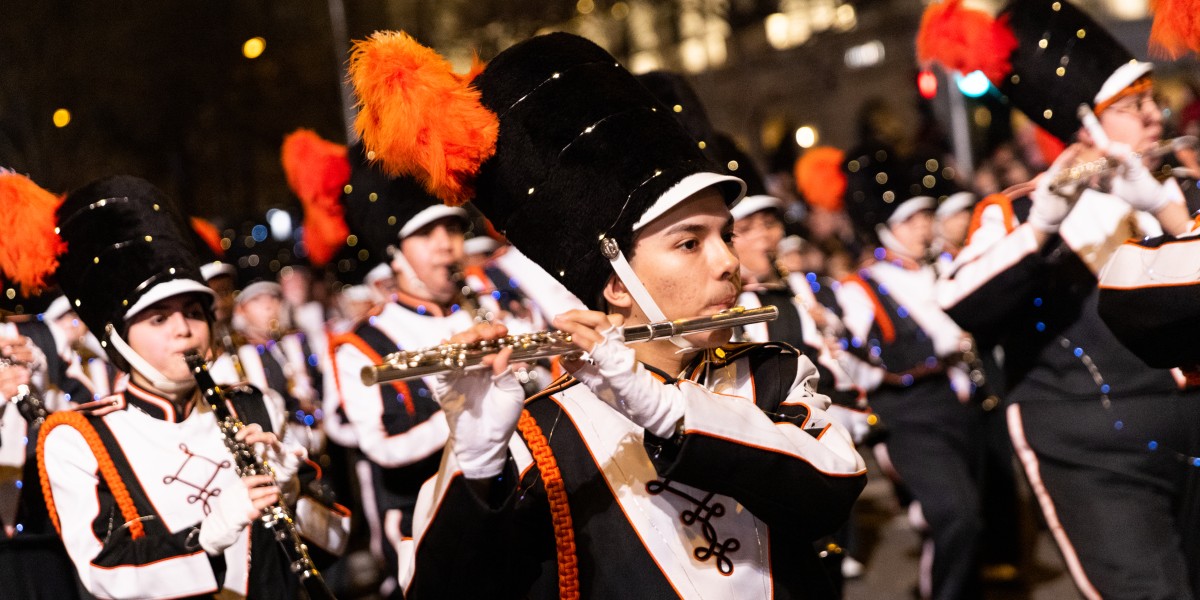
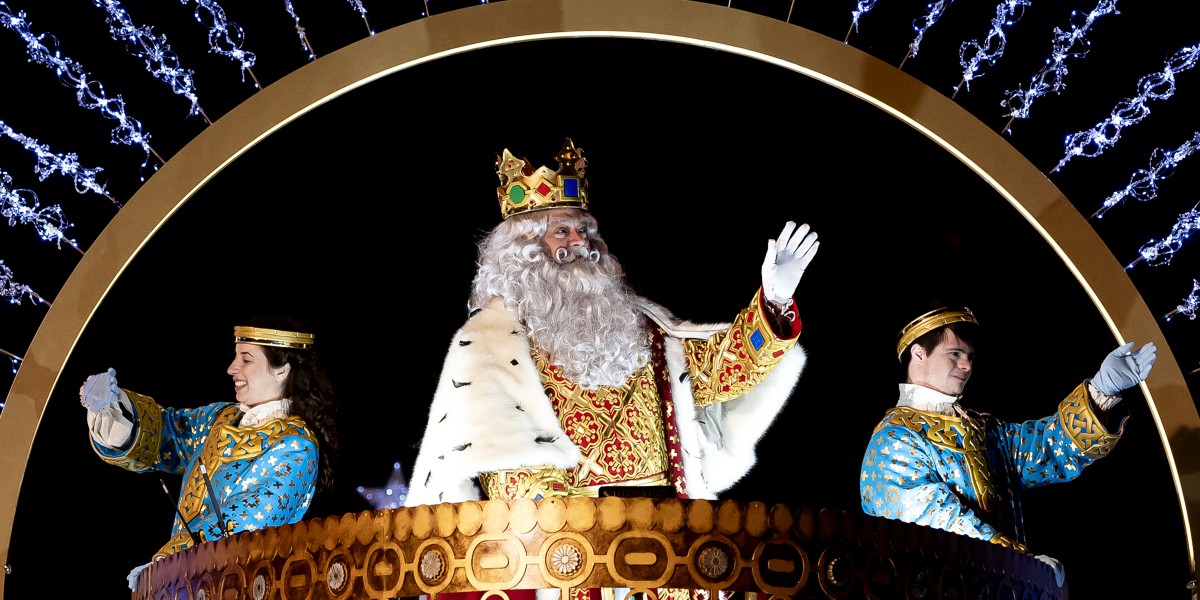
The Cabalgata on 5th January is the big night of Epiphany eve. Floats roll through city centres with the Three Kings waving from their thrones, pages hand out sweets, and brass bands and dancers keep the pace. Most cities start in the late afternoon or early evening and wrap up within a couple of hours.
- Alcoy (Alicante) — widely regarded as Spain’s oldest Cabalgata, featuring pages who climb ladders to deliver gifts to balconies.
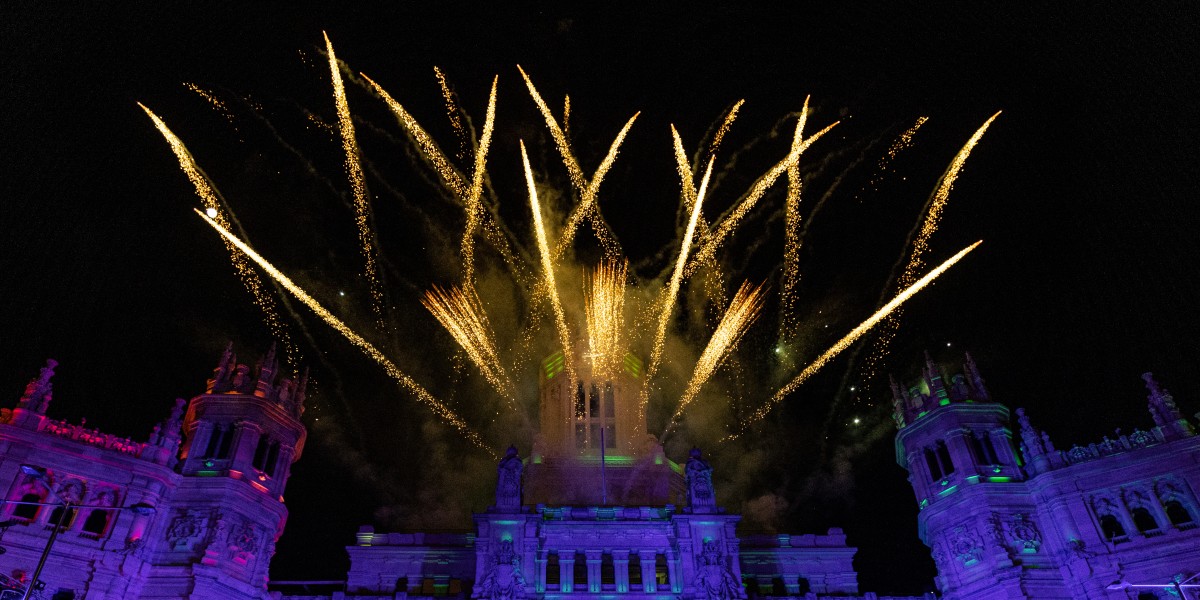
- Madrid — a vast, televised parade with grandstands along central avenues and a finale by Cibeles.
- Barcelona — the Cavalcada de Reis often begins with the Kings arriving by boat at Port Vell before winding through the centre with confetti and candy showers.
- Sevilla — organised by the Ateneo since 1918, with elaborate floats, marching bands and a festive route that crosses traditional neighbourhoods.
- Valencia — a lively city‑centre parade with fireworks and a joyful finish around the Ayuntamiento.
Traditions and treats
Three Kings traditions begin well before the parade and are a great example of some of Spain's most unique festive rituals.
- In many towns, children post wish lists in a special royal mailbox set up at the town hall or in neighbourhood squares.
- Shoes are polished and lined up by the door, balcony or a window so the Reyes Magos can match gifts to each child.
- Families leave out water, milk and small snacks for the camels, and in some places, a handful of hay or a few carrots are added to the tray.
Roscón de Reyes — what it is and how it’s eaten
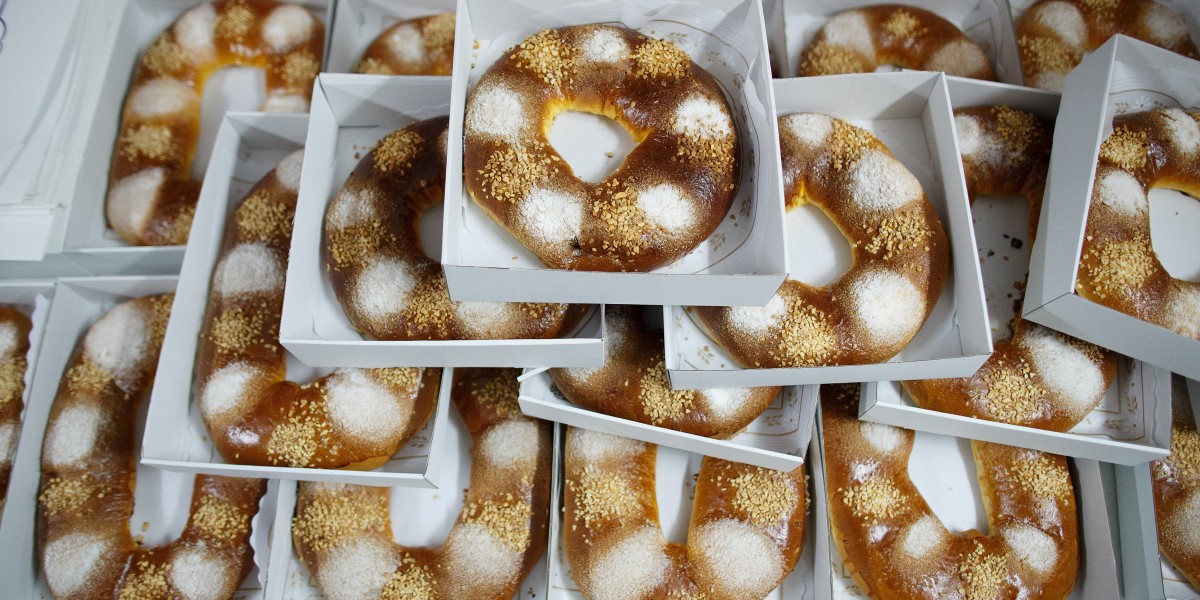
On 6th January, families share a Roscón de Reyes, a crown‑shaped brioche that is typically eaten at Christmas time. It is scented with orange blossom and often filled with cream. Inside, there’s usually a tiny figurine and a dried bean. Find the figurine, and you’re “king” for the day; find the bean, and you buy next year’s cake.
Planning a festive trip around Reyes Magos
During the festive season, bank holidays in Spain can change opening hours and transport, so it helps to check when Spain’s long weekend in December falls before planning a Christmas holiday. Plus, for travellers choosing a Spanish base to celebrate Christmas from, it's a good idea to decide first on the weather and vibe you fancy.
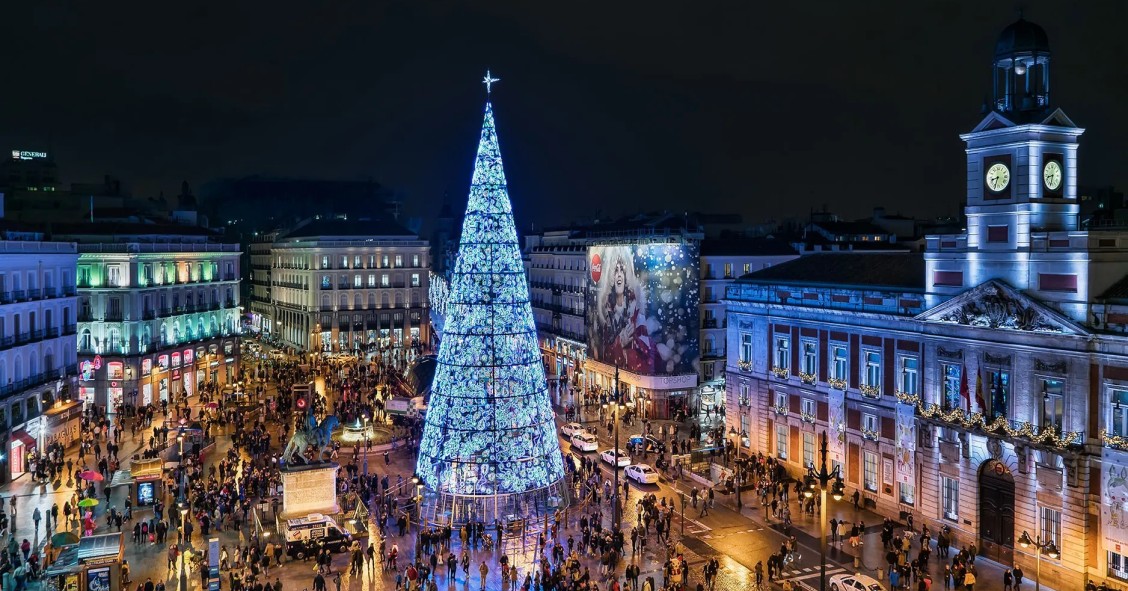
Spain’s festive season stretches from early December to Epiphany, so a Reyes Magos trip easily pairs with twinkling streets, bustling markets and winter city breaks. If you like planning around atmosphere, checking out the best Christmas lights in Spain will make things easier. Families who prefer a cosy build‑up can hop between the Christmas markets in Spain to pick up sweets, decorations and regional treats before the parades.
Stay informed on visiting and living in Spain with our weekly newsletter, delivering the latest travel, legal, and lifestyle news.
Spanish Christmas traditions: unique customs, food and festive celebrations
How is Christmas celebrated in Spain? Spanish Christmas traditions are full of colour, culture, and quirky customs. From unique decorations to festive foods and New Year rituals, Spain’s celebrations are both traditional and delightfully unusual. Here’s your guide to experiencing Christmas like a local, with these 10 facts about Christmas in Spain.

Traditional Christmas food in Spain: regional dishes and festive sweets
Christmas in Spain is a long, food‑centred season running from Nochebuena through Christmas Day to Reyes. Families linger over traditional Christmas food in Spain with long lunches and generous starters, roasts and shellfish. The run‑up brings pre‑orders, queues and a bit of local vocabulary that make the holidays feel wonderfully festive.