

Melilla is a compact Spanish city on the Moroccan coast with sandy urban beaches and handsome modernist façades. With Melilla's population around 87,000, the city boasts a layered mix of Spanish, Amazigh and Moroccan culture. Living in Melilla means daily life by the sea, central parks, and a small but steady calendar of local festivals.
What’s it like to live in Melilla?
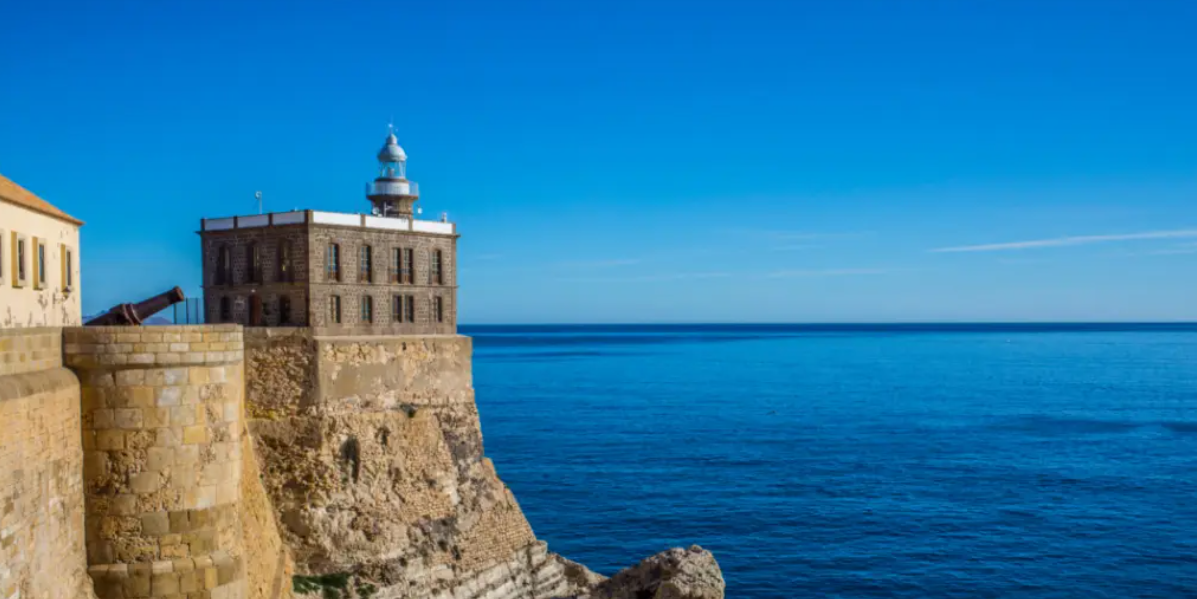
Life in Spain's most underrated city runs at a neighbourly pace. Cafés, tapas bars, tea rooms, and shops cluster around the centre, while the seafront promenade links the beaches with bike lanes and breezy evening walks. The city’s modernist centre hides brilliant details on street corners. Plus, the headland citadel gives you sea views and a quick history fix.
Expect split opening hours, late dinners, and a calendar that reflects Catholic, Muslim and Jewish traditions. It suits people who want sun, sea and a close-knit community without the sprawl of the mainland.
Is Melilla safe to live?
Day-to-day, it’s as relaxed as many Spanish provincial cities. Petty theft around busy beaches and the centre is the usual nuisance. The border context can bring occasional flashes of news, but daily life away from crossing points tends to stay steady and local.
Language and integration
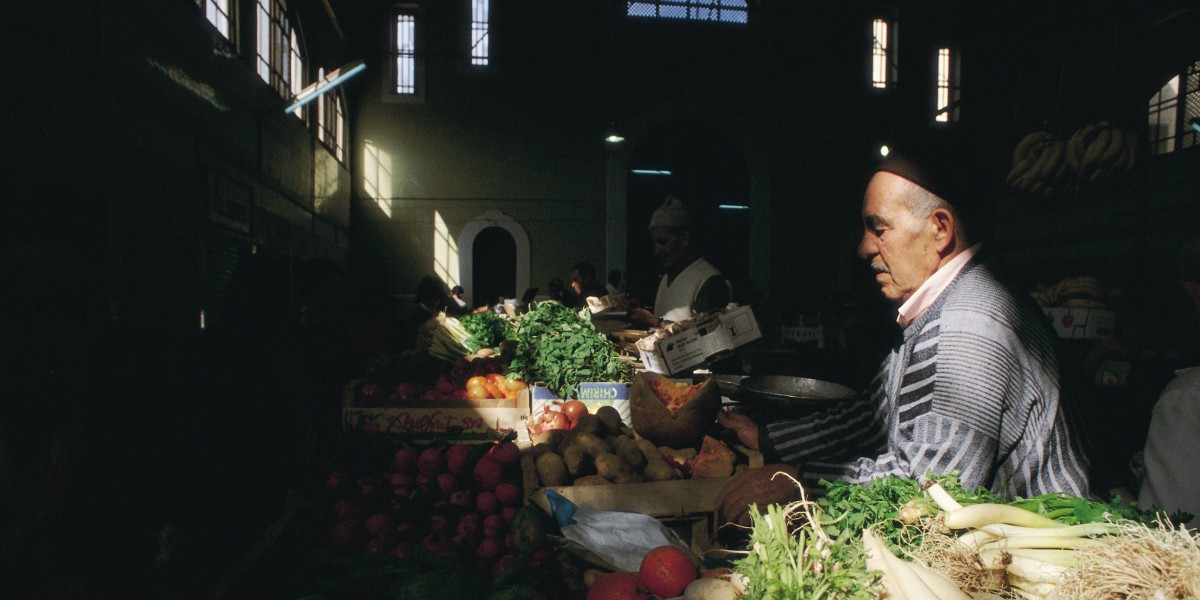
Spanish is the key that unlocks everything in Melilla, from admin to after-work beers. You’ll also hear Tamazight and Moroccan Arabic in markets and some neighbourhoods. English turns up at hotels, the university and with some public-facing staff, but day-to-day errands are far smoother with basic Spanish.
Pros and cons of living in Melilla
Moving here comes with plenty of upsides if you like small-city life and the sea. The cross-cultural day-to-day adds texture, and the cost base is lower than in Spain’s big hitters.
Some of the advantages of living in Melilla include:
- Beachfront city with short commutes and year-round outdoor life
- Cross-cultural identity, present in the food, festivals and architecture
- Lower consumption tax (IPSI) than mainland Spain, and a generous 75% residents’ travel discount to the peninsula
Like all places, Melilla has its downsides:
- Limited career specialisation outside the public sector and services
- Geographic isolation and occasional schedule changes on transport
- Smaller nightlife and cultural circuit than on the mainland
Cost of living in Melilla
Eating out stays reasonable for a seaside city. A cheap main course at an inexpensive restaurant runs €15–18, a beer costs €2–3, and a coffee is about €1.50–2.20. Monthly bus travel is soft on the wallet at €14.70 for a pass, and taxis are still affordable for short hops.
On housing, the latest numbers point to good value. As of October 2025, property prices in Melilla averaged around €2,083 per m². In the same month, rent prices in Melilla averaged €10.3 per m², so an 80 m² flat would be roughly €824 per month. This sits below Spain’s overall averages of €2,555 per m² for sales and €14.5 per m² for rents.
Putting it together, the cost of living in Melilla trends on the low side for Spain. Day-to-day food and drink are modest, transport is cheap, and housing is undercut both by Ceuta and the national averages.
Where to live in Melilla
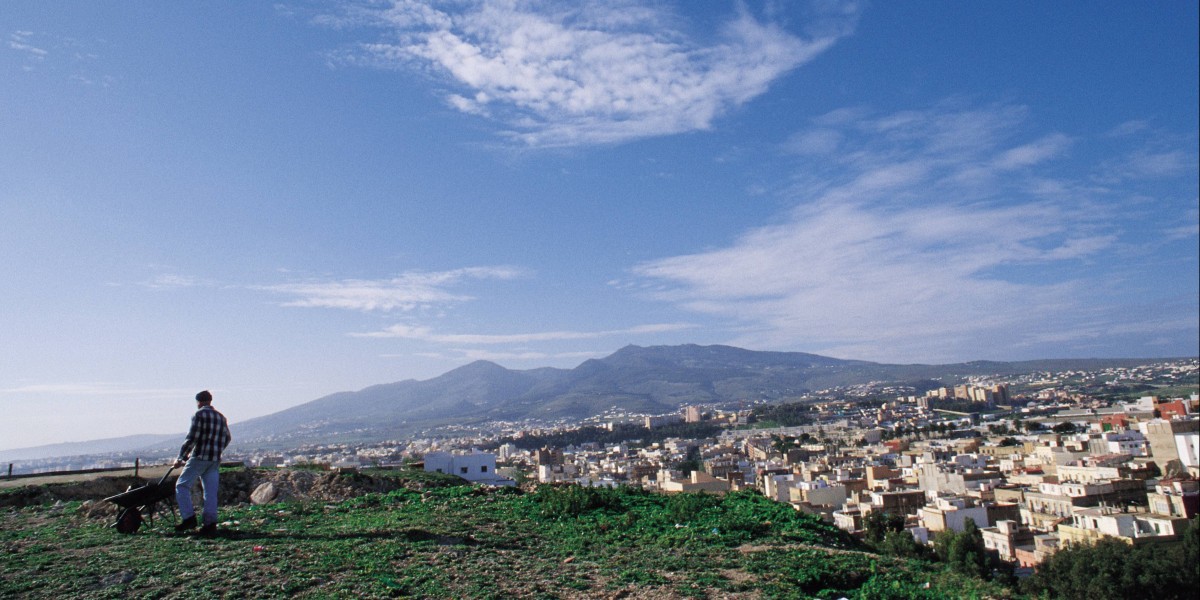
In the centre, you get easy, car-free living on handsome modernist streets, with shops, offices and the beaches a short stroll away. Drift north for better value and a more local rhythm, while the western edges quieten down and bring a touch more greenery. Along the seafront, it’s all sea breezes and being steps from the sand, with a livelier feel in summer.
Many people start centrally while they get their bearings, then slide north or north-west when they want extra space.
Ensanche Modernista / Centro
Right around Plaza de España and Parque Hernández, this is the showpiece quarter with modernist façades, solid cafés and shopping streets. You can walk to San Lorenzo Beach in minutes and forget about owning a car.
Melilla la Vieja (Old Town/Citadel)
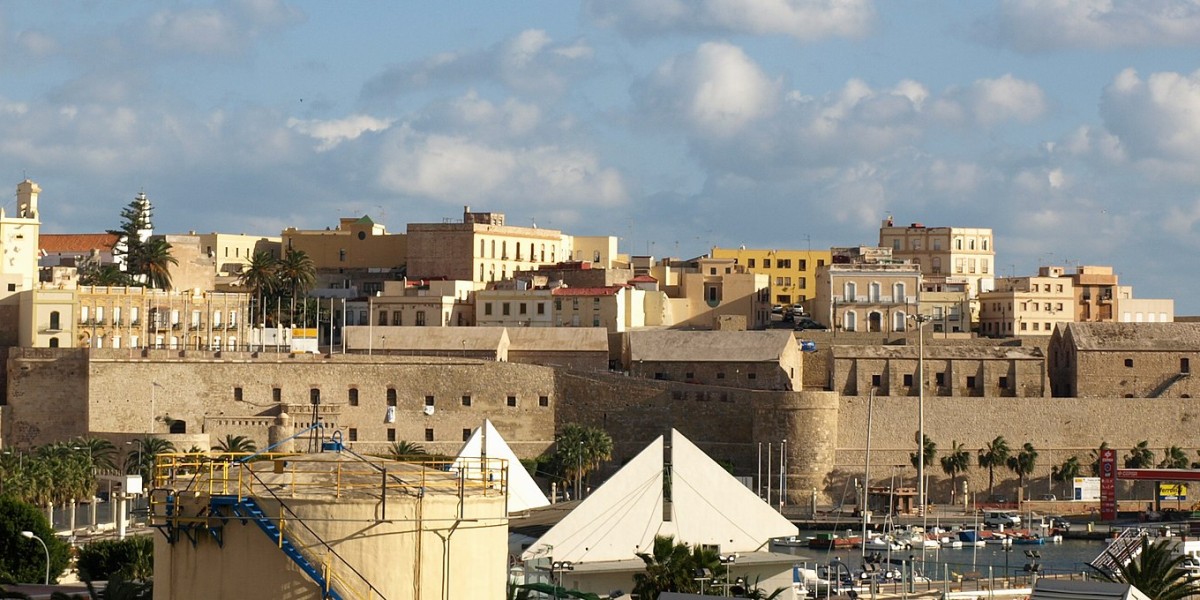
The fortified headland above the harbour is gorgeous at golden hour and dotted with museums and viewpoints. Residential stock is limited and quirky, with character flats and small houses tucked into historic walls. It suits history lovers who prioritise charm over square metres.

Barrio del Real
North of the centre, a grid of mid-rise blocks with markets, bar terraces and simpler rents. Buses run into town quickly, and parking streets are friendlier. A solid choice for families and anyone who wants more space without being far out.
Tesorillo
A touch east of El Real, calm and residential with small parks and schools nearby. It keeps similar pricing to its neighbour and offers quieter nights. Good for longer leases and set routines.
Hipódromo / Paseo Marítimo
East of the centre by La Hípica Beach with sports facilities and a lively promenade. Expect balconies, sea breezes and more summer buzz.
Work, transport, education and healthcare
Melilla’s job market is steady rather than flashy, and it ties closely to public services and education. Remote workers do well thanks to reliable fibre and short, stress-free commutes, while health and teaching roles are well represented.
Work and the local economy
Public administration, security forces and the garrison anchor the economy, alongside education at the University of Granada’s Melilla campus, plus retail and hospitality. It’s a good fit for teachers, healthcare staff, civil servants, military families and remote professionals who want compact seaside living.
Getting around and connections
The city is wonderfully manageable on foot for daily errands. Melilla Airport (MLN) runs frequent flights to Málaga and Almería, with periodic routes to Granada, Seville and Madrid.
Ferries link to Málaga, Almería, and Motril. Residents benefit from Spain’s 75% travel subsidy on air and ferry tickets to the mainland, which makes weekend trips and long holidays far more affordable. The main land border at Beni Enzar can have changing regimes, so check timings if you plan cross-border errands.
Schools and university
Families find a Spanish public and concertado network with some bilingual programmes. Well-regarded centres include high school Leopoldo Queipo, Mediterráneao School, and Miguel Marmolejo art school. The University of Granada campus in Melilla covers Education, Social Sciences, Nursing and related degrees, which gives the city a small student pulse.
Healthcare
Healthcare is run by INGESA with the main public hospital, the Hospital Comarcal and the new Hospital Universitario project. Private clinics operate in the city, and residents follow standard Spanish procedures for public cover or private insurance, depending on status.
Melilla things to do
Everything feels close in Melilla, so you can pack a lot into a lazy weekend without racing around. Between street‑level modernism and sea‑view ramparts there are plenty of things to do in Melilla. The year brings set‑piece moments like Semana Santa processions, Eid festivities and the Fiestas Patronales in early September.
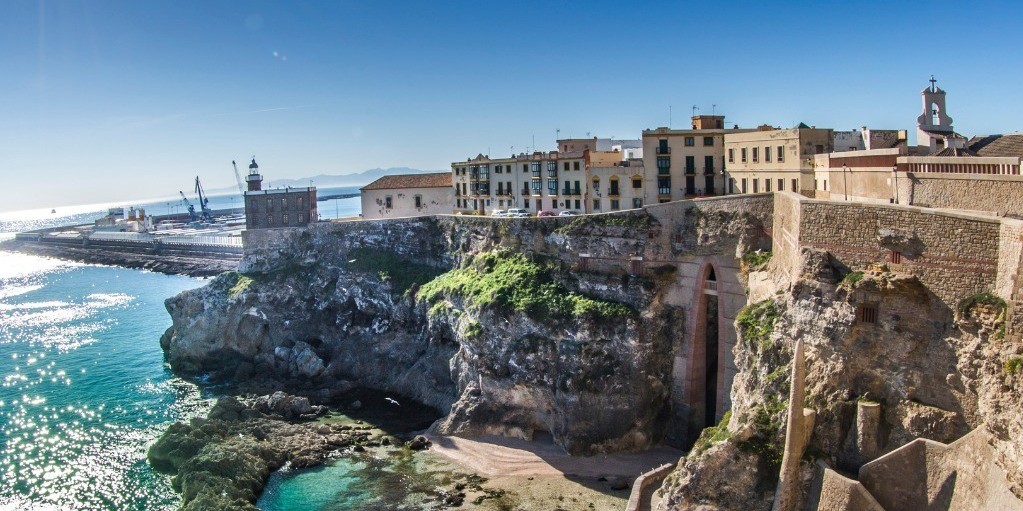
- Explore the layers of Melilla la Vieja, from bastions and sea walls to small museums tucked into the citadel.
- Trace Enrique Nieto’s modernist details, spotting façades, courtyards and civic buildings as you wander.
- Beach‑hop between San Lorenzo, Los Cárabos and La Hípica, then linger over seafood along the Paseo Marítimo.
Living in Melilla as a foreigner
The expat footprint is modest but welcoming. You’ll meet Spaniards from across the peninsula, North African families, military households, teachers, health workers and a handful of remote pros.
English-language meetups are ad hoc, so Spanish helps you plug in quickly. Integration often comes through local sports clubs, sailing schools, beach volleyball, volunteering, and cultural centres linked to the city’s Jewish, Hindu and Muslim communities.
Melilla or Ceuta?
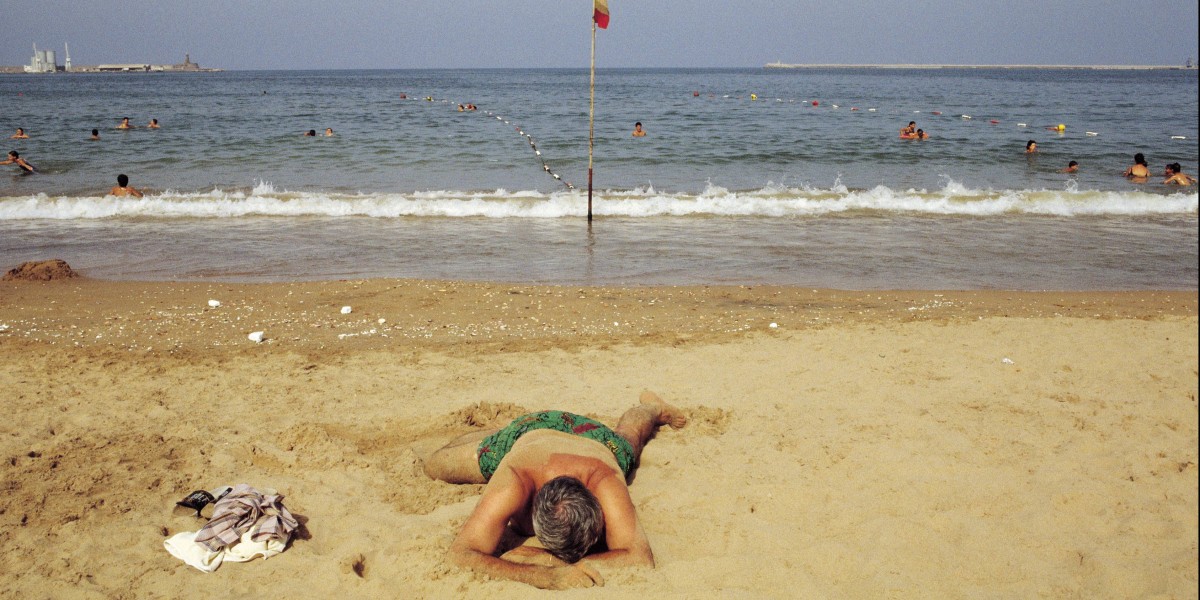
Both are Spanish enclaves on the North African coast with sea views, military heritage and an easy daily rhythm, but they feel distinct. Melilla is flatter and more beach-forward, with a standout modernist centre and urban sands at your feet.
Ceuta is hillier and dramatic, with Strait-of-Gibraltar views and very frequent fast ferries to Algeciras. This makes mainland road trips straightforward. In Ceuta, property prices hover around €2,313 per m² and rents average €13.9 per m², therefore notably higher than in Melilla.
If sandy urban beaches and modernist architecture sway you, Melilla edges it. If quick ferry access to the Costa del Sol and steep scenic terrain appeal, Ceuta is tempting.

Stay in the know about living in Spain as a foreigner—get our weekly newsletter for the latest travel, legal, and lifestyle news.

Spain's most underrated city, according to Viajar magazine
The old town, with its walls, moats, cisterns, fortifications and an urban layout that invites unhurried exploration, tells a story of frontiers, defence and the coexistence of cultures. Here, traces of Phoenician, Roman, Arab and Christian civilisations intertwine.