

On Australia’s west coast, 14,000 kilometres from Spain, lies a small and unusual town whose name and streets pay homage to Spain. Walking along quiet roads named after places like Valencia, León and Barcelona feels almost surreal. Yet behind this lies a unique story and a misunderstanding that led to its streets being named this way. Discover the curious tale of Australia’s “Spanish” town.
Cervantes, Australia's "Spanish" town
On the coast of Western Australia – a state the size of Argentina – about 200 kilometres north of Perth, lies Cervantes. This small town in the Wheatbelt region has around 500 inhabitants but is notable for its name and its streets.
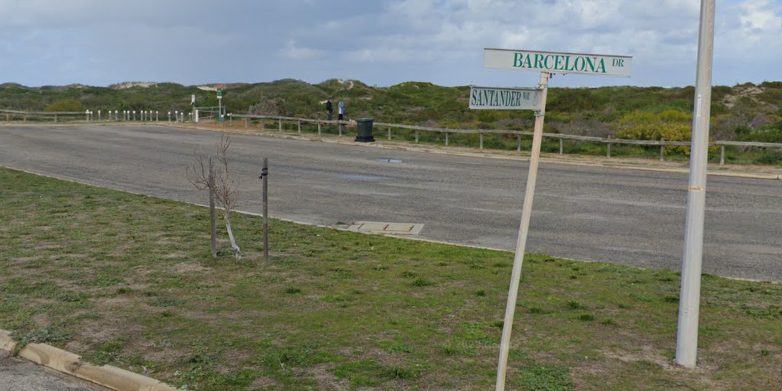
Nestled by the turquoise waters of the Indian Ocean and close to the Pinnacles Desert, Cervantes pays tribute to Spain, with streets named Iberia, Talavera, Seville, Málaga, Aragón, Cádiz, Corunna, Santander, Barcelona, Lleida, Segovia, and more.
The local economy centres on tourism and fishing, particularly lobster, one of the region’s prized products. Interestingly, the town’s name is not a literary homage but originates from navigation and a misunderstanding that ultimately influenced the naming of its streets.

The origin of the name Cervantes
The story behind Cervantes’ unusual identity has little to do with fans of Don Quixote and much to do with 19th-century navigation mishaps. It begins with an American whaling ship named Cervantes that, in the dead of winter 1844, was driven onto nearby islands by fierce winds along this remote stretch of coast.
The shipwreck left a lasting mark on the area: the archipelago where it ran aground became known as the Cervantes Islands. Decades later, when fishermen settled nearby and established a community, they drew inspiration from the islands and named their new town Cervantes.
Why are the streets of Cervantes named after Spanish cities?
The reason Cervantes’ streets are named after Spanish cities stems from a curious historical misunderstanding. When the town was officially founded in the 1960s, the origin of its unusual name had become unclear to the new residents and urban planners.
Many assumed that the town was named in honour of the celebrated author of Don Quixote, and, following this interpretation, sought to emphasise its Hispanic character. As a result, streets were given names such as Barcelona, Pamplona, Toledo, Valencia and Cádiz, creating a unique Spanish-themed network.
What to see in Cervantes
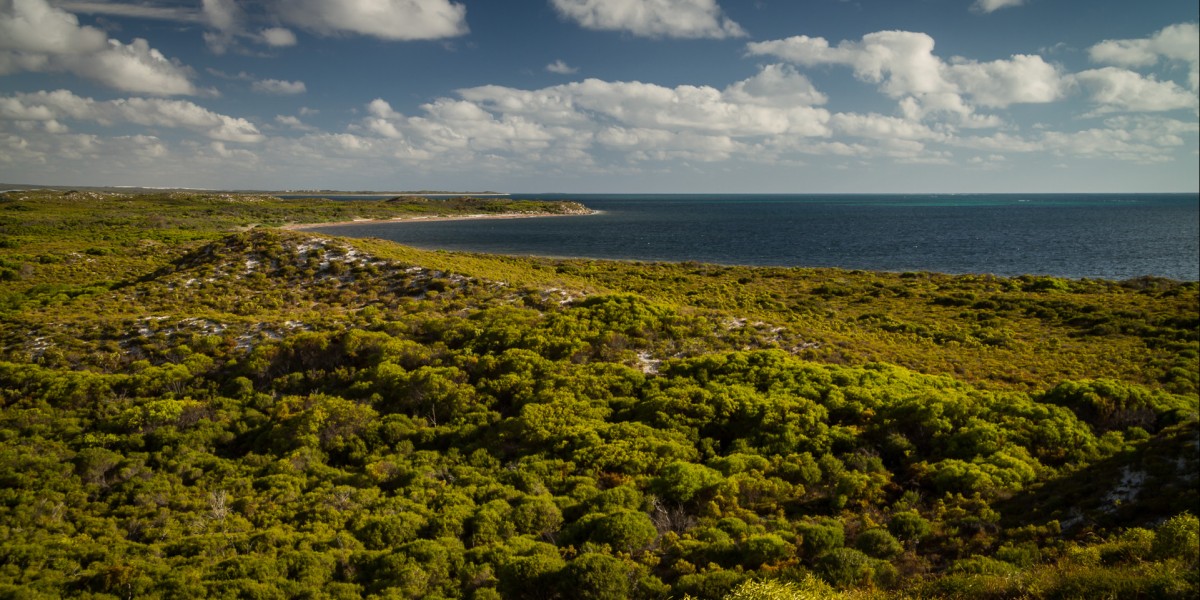
Although Cervantes may appear at first glance to be a quiet, tiny Australian coastal town, it is home to a range of surprising natural and cultural attractions. Here are some must-sees:
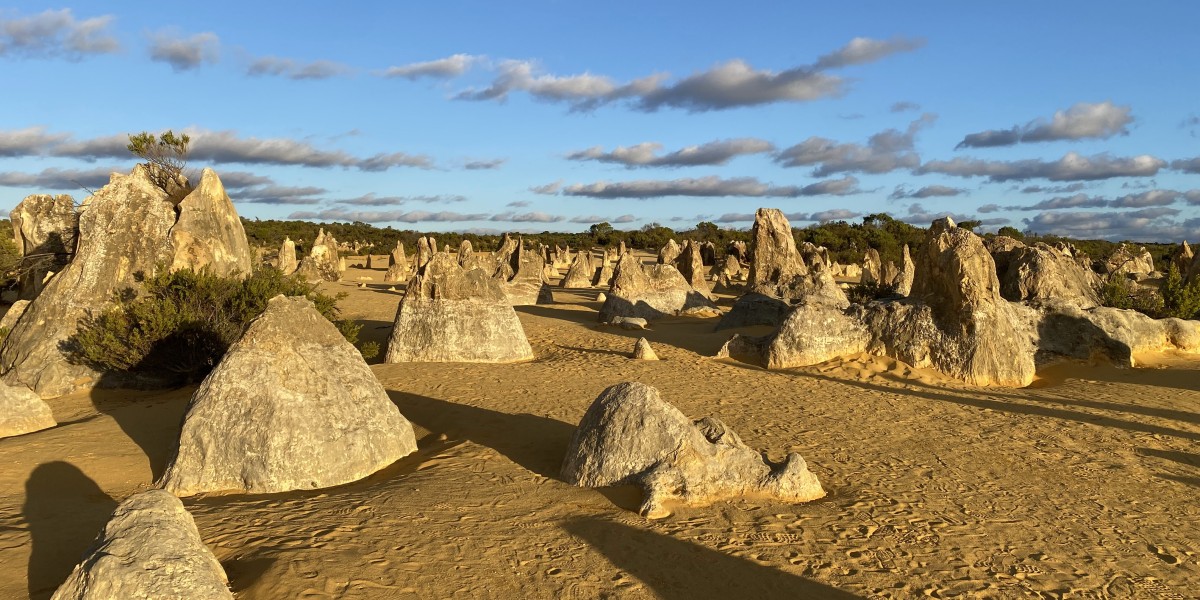
- The Pinnacles Desert: A striking landscape of limestone formations within Nambung National Park.
- Lake Thetis: Renowned for its thrombolites, living structures that offer a glimpse into Earth’s distant past.
- Cervantes beaches: Perfect for swimming, water sports or simply enjoying a sunset over the Indian Ocean.
- The Lobster Shack: A restaurant and lobster processing facility where visitors can learn about local fishing and taste fresh seafood.
- Thirsty Point lookout: A panoramic spot offering ocean views and a glimpse of the Cervantes Islands.
Where do most Spaniards live in Australia?
Beyond the curious case of Cervantes, Spaniards in Australia largely live in the country’s major cosmopolitan centres. Sydney and Melbourne are the main destinations for Spanish emigrants, offering employment opportunities and a vibrant cultural life. They are followed by cities such as Brisbane and Perth, which are also home to significant Spanish communities.