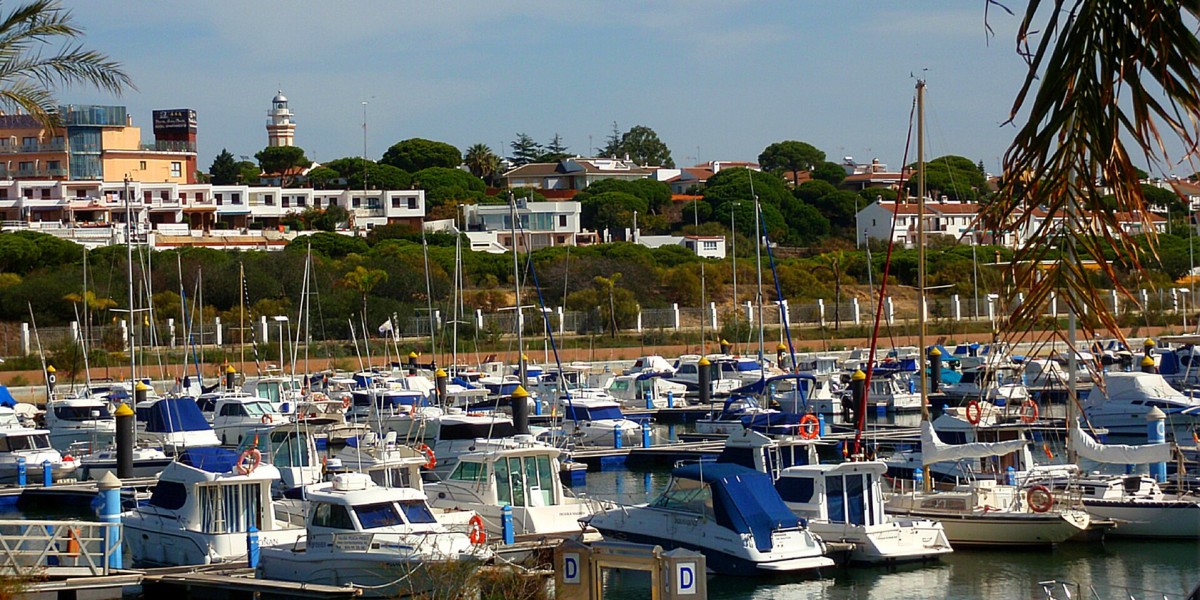
The Huelva coastline stretches for more than 120 kilometres along the Atlantic Ocean, forming a landscape shaped by river estuaries, marshlands, pine forests and vast expanses of sand. Extending from Ayamonte to Doñana, this stretch of coast has a character all its own. In 2026, 12 beaches in the province were awarded Blue Flag status, recognising their water quality. Discover the best Blue Flag beaches in Huelva.
Isla Canela
Isla Canela occupies the westernmost point of the Huelva coastline, in Ayamonte, close to the mouth of the Guadiana River and the Portuguese border. Its beach is long and spacious, with fine golden sand and a wide shoreline that shifts with the tides. On clear days, the Portuguese coast can be seen in the distance.
The area is particularly popular with families, water sports enthusiasts and those looking to enjoy sunset walks along the seafront. During the summer months, visitors will find beach bars, seasonal facilities and plenty of space to relax. Kitesurfers are also a common sight.
Punta del Moral
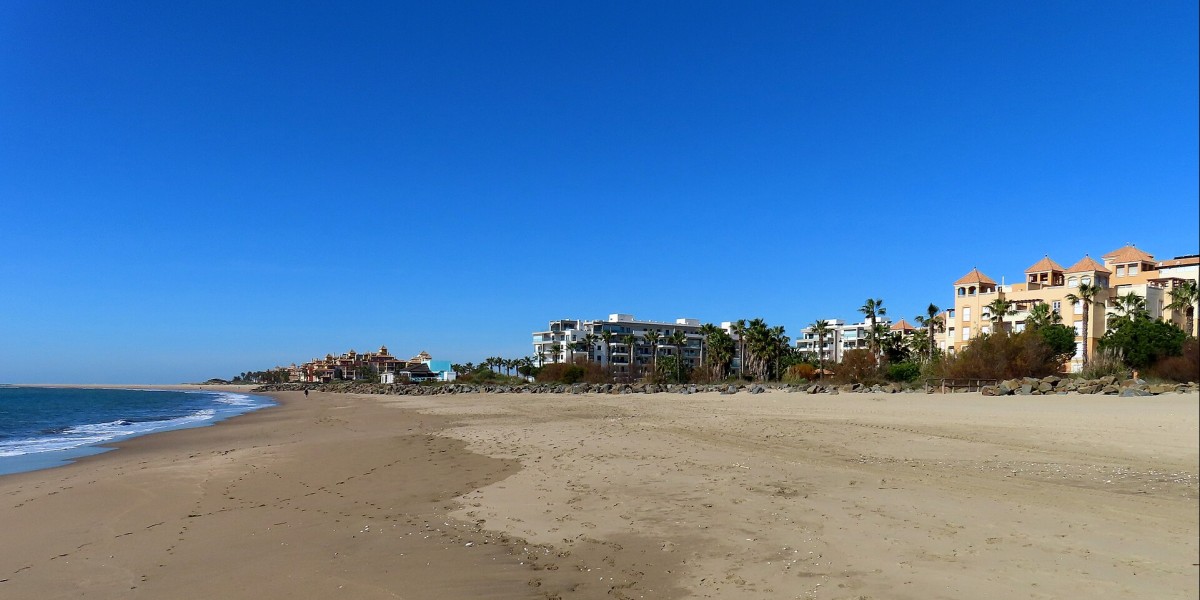
Punta del Moral lies in the most maritime part of Isla Canela, beside the Carreras estuary and opposite Isla Cristina. Unlike other beaches in Ayamonte, the area retains a strong connection to local fishing traditions, reflected in its harbour, fishing boats and seafood restaurants.
The beach features golden sand, calm waters and a spacious shoreline ideal for long, relaxing days by the sea. Just a short walk away, visitors can swap the beach for a meal showcasing Huelva's renowned cuisine.

Caño de la Culata
In El Portil, within the municipality of Cartaya, the Caño de la Culata runs alongside a landscape of dunes and pine forests that create a natural transition between the town and the beach. It is a broad stretch of sand with a gentle slope and plenty of room for visitors.
The scenery changes depending on where you look: towards the sea, the Atlantic coastline unfolds in all its openness, while inland, the pine forests and coastal vegetation typical of this part of Huelva dominate the landscape. The nearby promenade is lined with cafés, bars and small shops.

San Miguel Beach
San Miguel Beach is located in Nuevo Portil, also within Cartaya, next to the Marismas del Piedras and Flecha de El Rompido Natural Area. Here, pine forests almost reach the shoreline, creating a setting that retains a distinctly natural character.
Its generous size allows visitors to choose between busier areas near the main access points and quieter sections that can be reached with a short walk. Its location also makes it an excellent base for exploring El Rompido and the surrounding marshlands.
Isla Cristina Central Beach
Central Beach is one of the most emblematic beaches in Isla Cristina, a town with a long maritime tradition and a busy fishing port. Situated right in the town centre, it is one of the most accessible beaches in the province.
The seafront captures the lively atmosphere of summer in Isla Cristina while retaining the sense of space that characterises Huelva's coastline. The sand is fine, swimming conditions are generally excellent, and the promenade provides easy access to shops, restaurants and the port area.
Islantilla
Islantilla stretches between the municipalities of Isla Cristina and Lepe and is one of the province's best-established seaside destinations. The beach is long and wide, complemented by a promenade lined with hotels, restaurants, terraces and shopping areas.
Despite its extensive tourism infrastructure, the beach never feels overly crowded thanks to the breadth of the sandy shoreline. Mornings are often dominated by families enjoying the beach, while evenings bring a lively atmosphere to the promenade as visitors head out for dinner and drinks.
Espigón Beach
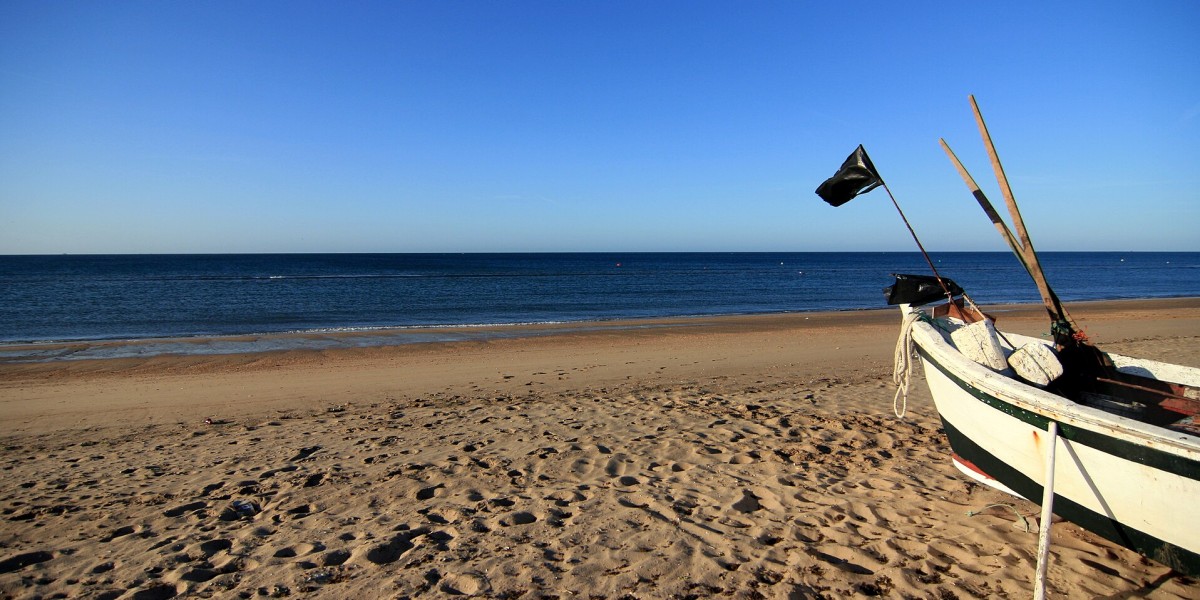
Espigón Beach, in the city of Huelva, is located within the Odiel Marshes, one of the province's most important natural areas. Its location – reached via a road that crosses wetlands rich in birdlife – makes the journey itself part of the experience.
Unlike many urban beaches, the landscape here is defined not by blocks of flats and shopping promenades but by wide sandy horizons, tidal channels and protected marshland. The area is also highly regarded for birdwatching.
Parador Beach
Parador Beach, also known as Castilla Beach, belongs to Moguer and lies close to the natural corridor connecting Mazagón with Doñana National Park. It stands out for its relatively undeveloped character and peaceful atmosphere.
Access is through an area of coastal vegetation, which then opens onto a vast beach of golden sand. The sense of openness and natural beauty sets it apart from many of the more urbanised destinations along the coast.
Blue Flag beaches and ports in Huelva in 2026
In 2026, Huelva boasts 12 beaches and six marinas with Blue Flag status. The complete list of beaches is:
- Ayamonte: Isla Canela, Los Haraganes and Punta del Moral.
- Cartaya: Caño de la Culata and San Miguel.
- Huelva: Odiel Marshes Natural Area.
- Isla Cristina: La Casita Azul and Playa Central.
- Isla Cristina / Lepe: Islantilla.
- Lepe: Santa Pura.
- Moguer: From the Parador (Castile).
- Punta Umbría: Punta Umbría, El Albergue section.
Meanwhile, the ports with Blue Flag status are:
- Ayamonte
- Cartaya: Nuevo Portil
- Isla Cristina
- Lepe: El Terrón
- Palos de la Frontera: Mazagón
- Punta Umbría