The Roman-era vessel discovered in the Ses Fontanelles area of Mallorca had lain buried beneath tonnes of seabed sand since the 4th century. Its recovery has provided invaluable insights into ancient trade routes, while the remarkable preservation of its wooden structures continues to astonish researchers.
Follow idealista/news in Spanish on the WhatsApp channel
This merchant vessel offers a unique glimpse into the economic dynamics of the Roman Empire across the Mediterranean Sea. Its remains reveal commercial practices, navigation techniques and aspects of daily life on board. Exceptional seabed conditions played a key role in preserving the wreck.

Underwater exploration
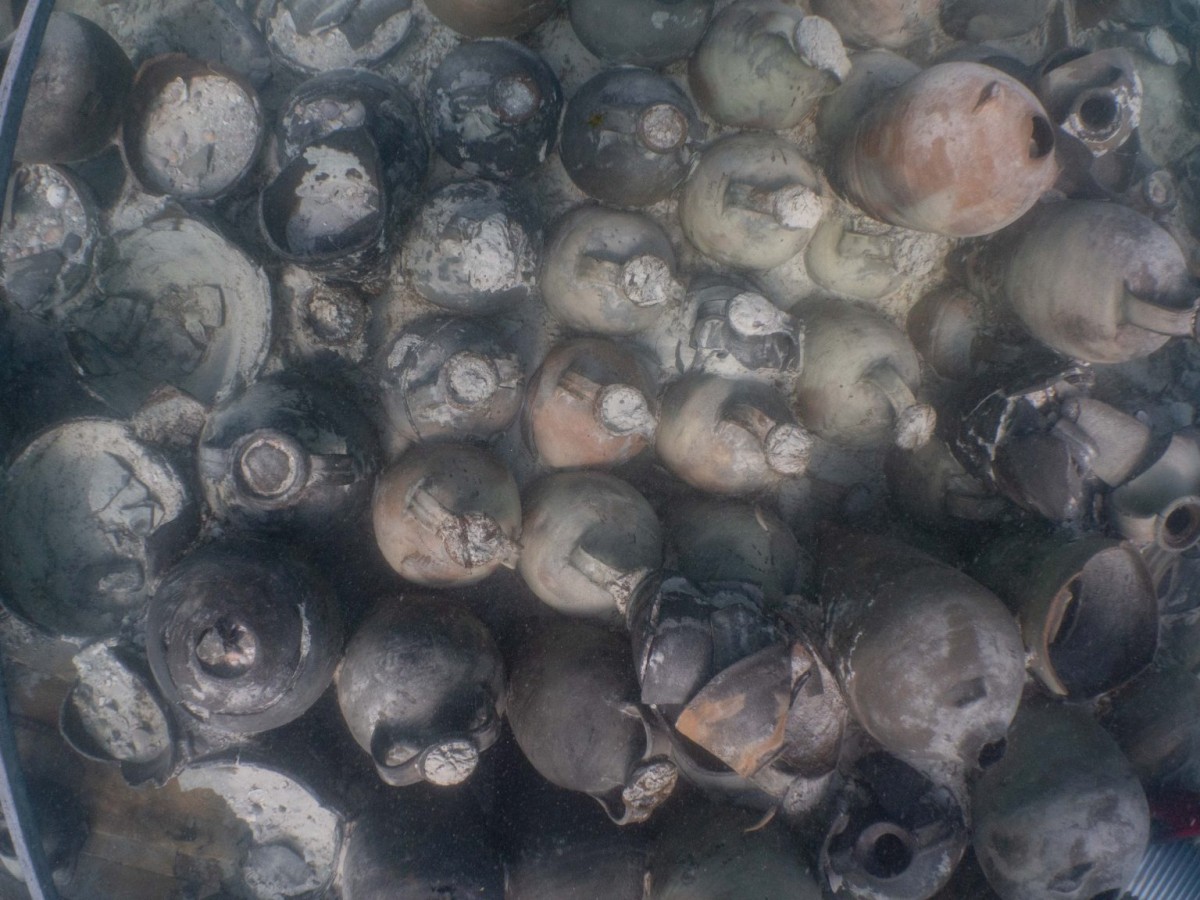
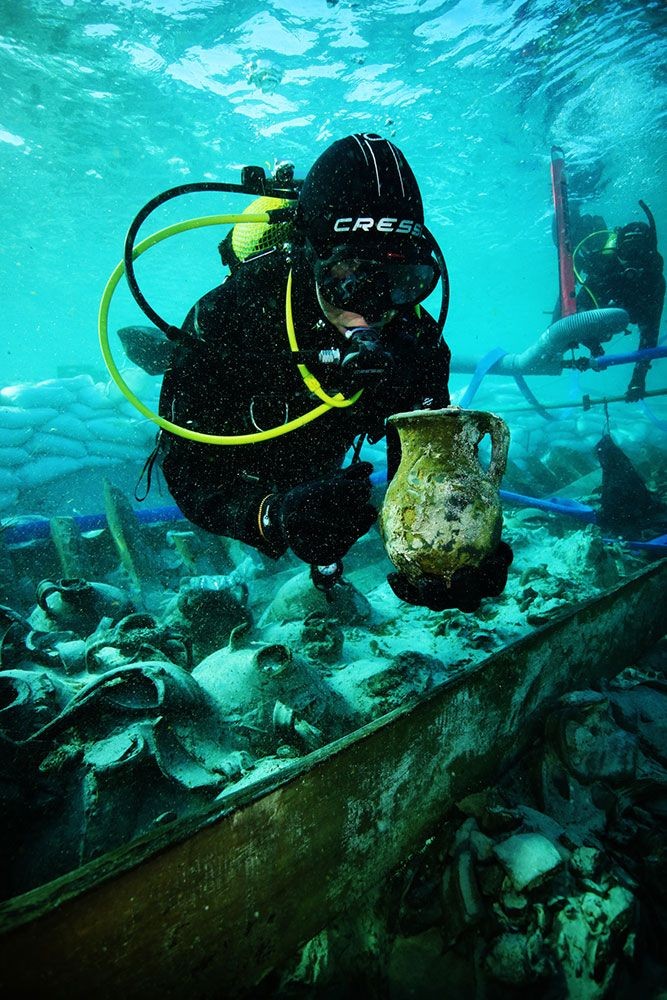
Just a short distance from the shoreline, experts documented a vessel measuring 12 metres in length and 6 metres in width. Its relatively modest size would have allowed it to navigate shallow coastal waters. Researchers involved in the Arqueomallornauta project recovered 300 intact amphorae.
These ceramic containers were used to transport olive oil, wine and a fish sauce known as garum or liquaminis flos. Many of the amphorae bear painted inscriptions whose epigraphic evidence reveals details about their contents, the Hispanic origin of the goods and even the names of the merchants involved in their trade.
Alongside the amphorae, archaeologists recovered everyday objects of considerable historical value. These included a bow drill used by carpenters, braided esparto-grass ropes and a pair of shoes, one made of leather and the other from plant fibres. Such organic materials would normally have deteriorated rapidly in a marine environment.
A thick layer of oxygen-free sediment protected each artefact from natural decay. The archaeological operation required exceptional care and precision. Specialists extracted the wooden hull in stages to preserve its structural integrity. This recovery effort has helped safeguard a unique piece of underwater heritage.

Maritime trade in ancient Spain
The evidence recovered from the Bay of Palma highlights the intense commercial activity that characterised the Iberian Peninsula during the late Roman period. The cargo originated in workshops in Carthago Nova (present-day Cartagena). From this important port city, merchant vessels regularly sailed towards Rome and other destinations across the Empire.
The Balearic Islands served as a strategic stop along western Mediterranean trade routes. When faced with storms or unfavourable winds, Mallorca's coves offered temporary shelter to sailors. As a result, the sinking of the Ses Fontanelles vessel illustrates the risks faced by ancient merchants.

Crossing the Mediterranean was often dangerous due to unpredictable weather conditions. Analysis of the ceramic artefacts recovered from the wreck indicates industrial-scale production in the Roman provinces of Hispania. Coastal workshops manufactured salted fish products and fish-based sauces that were highly prized throughout the Roman world.
Garum was a staple ingredient in countless recipes of the period. The transport of such products generated significant economic benefits for exporting cities. The diversity of the cargo demonstrates the complexity of Roman logistics. Stevedores arranged the amphorae according to a carefully planned system to make the most efficient use of the available space in the hold.
Each amphora carried identifying marks that helped facilitate inventory control at destination ports. The disaster that befell the crew of the Ses Fontanelles vessel interrupted the delivery of valuable goods, a common hazard in the ancient world.
Recovering these cargoes from the seabed means retrieving objects whose value extends far beyond the economic. Their true significance lies in their ability to return priceless fragments of past civilisations to the present.

Such technical interventions enrich the archaeological catalogue with discoveries that help ensure cultural continuity for modern societies. By exploring the seabed, researchers can uncover a tangible maritime legacy, moving beyond romantic notions of treasure hunts and corsairs to deepen our understanding of thousands of years of human history.