

Spain and wine go hand in hand, with vineyard landscapes that run from cool Atlantic shores to sun‑baked southern hills. Ask several locals about the best wine routes in Spain, and you will get very different answers, with some swearing by elegant reds, others loyal to crisp coastal whites. The joy lies in tracing those routes for yourself and discovering which corner of Spain ends up in your glass most often.
Quick guide: the best wine routes in Spain
- Best for red wine: Rioja Alta (La Rioja)
- Best for cava and sparkling wine: Penedès (Catalonia)
- Best for fresh white wine by the sea: Rías Baixas (Galicia)
- Best for fortified wines: Jerez/Sherry Triangle (Andalusia)
Best wine routes in Spain
These four routes combine iconic Spanish wines with beautiful drives, great food, and plenty of places to stop, sip and stay.
Penedés wine route
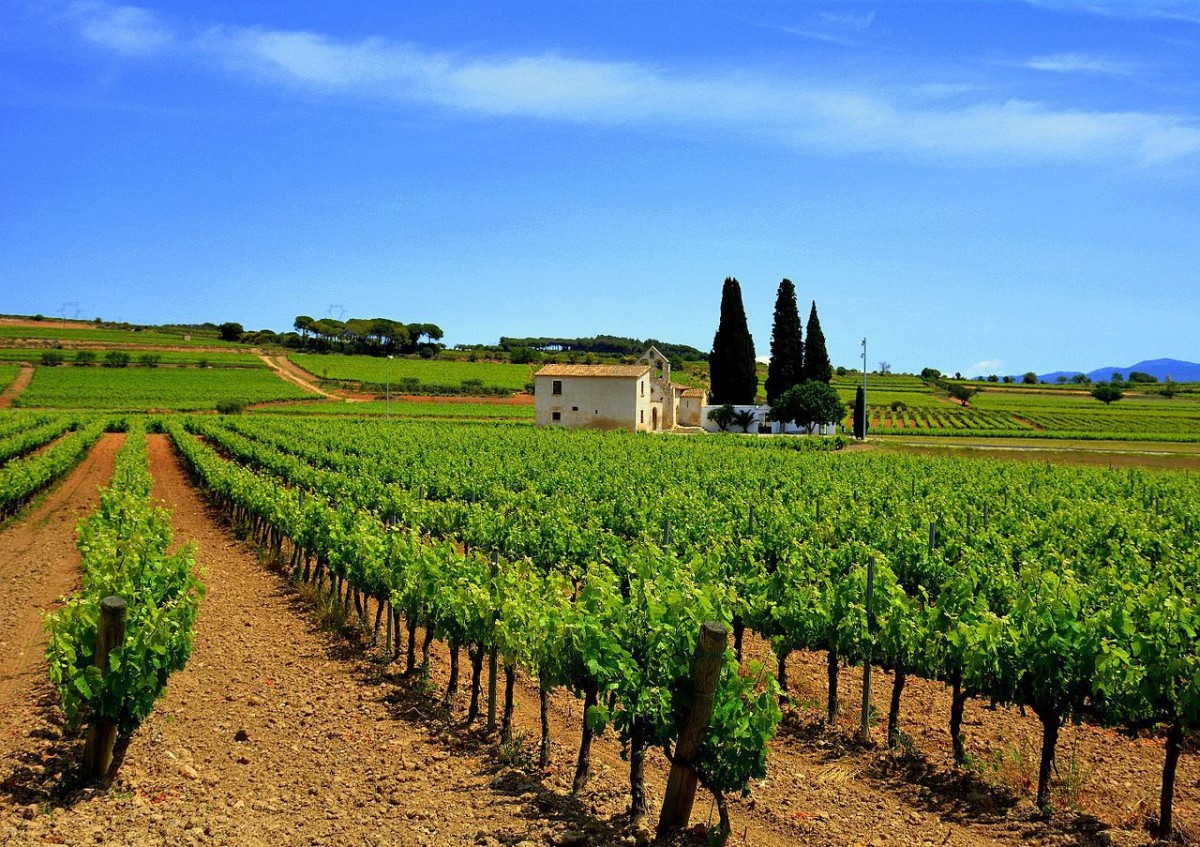
Cava, mountain views and easy access from Barcelona — Penedès is your go‑to if you want Spanish sparkling wines, a relaxed vibe, and short travel times.
Why visit Penedès
Penedès, just southwest of Barcelona, is one of Spain’s most dynamic wine regions and the heartland of cava. Over the last few years, more wine producers in Catalonia have turned towards organic and sustainable viticulture, and there’s a growing focus on premium sparkling wines and still whites.
Best wineries to visit in Penedès
You’ll find three main sub‑zones here — Baix, Medio and Alt Penedès — each with its own microclimate. Grapes like Xarel·lo, Macabeo, and Parellada form the backbone of cava, with Chardonnay and Cabernet Sauvignon appearing in still wines.
You might look for:
- Large, historic cava houses like top Spanish bodega Codorníu, or Freixenet in Sant Sadurní d’Anoia.
- Boutique organic wineries such as Albet i Noya or Recaredo, focusing on terroir‑driven, often organic or biodynamic cava and still wines.
- Family estates like Parés Baltà, which offer vineyard picnics, 4x4 or bike circuits through the vines, and sunset tastings.
Best time to visit
April to June means green vineyards, mild weather, and fewer crowds. September to October is harvest season, grape picking and plenty of events. Try to avoid the hottest weeks of August if you’re not a fan of high temperatures.
Rioja Alta wine route
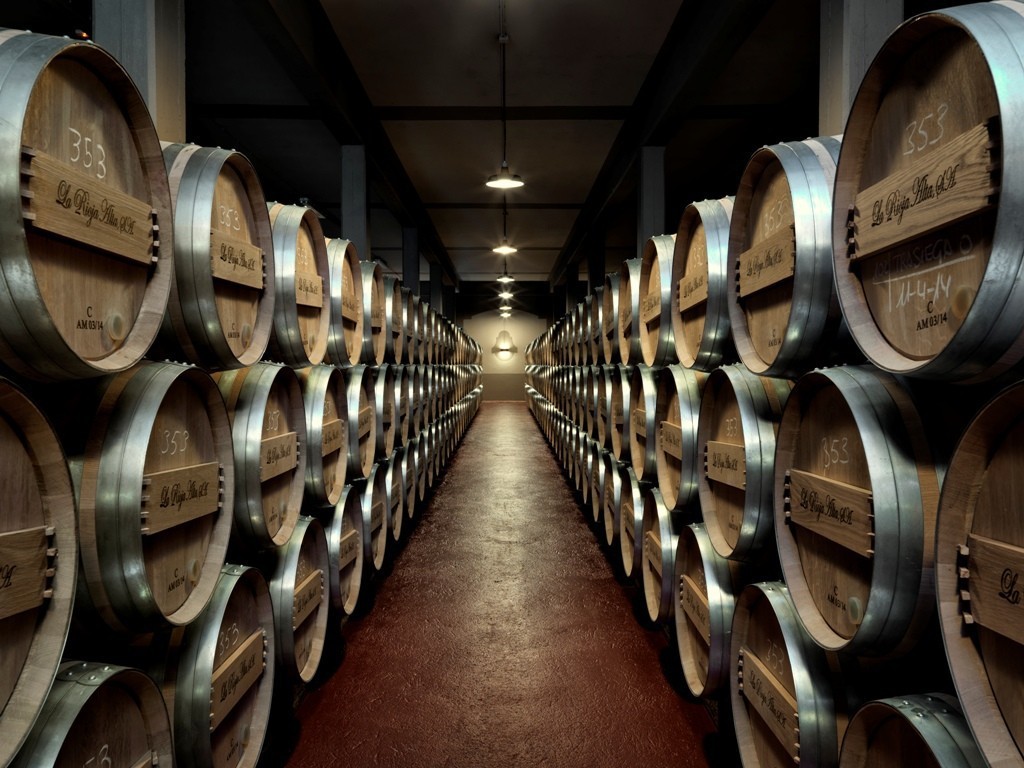
If your heart beats faster at the words “oak‑aged red,” Rioja Alta is where you need to be.
Signature wines and grape varieties
La Rioja is probably Spain’s most famous wine region, and Rioja Alta, its higher, cooler western area, is prized for elegant, age‑worthy reds.
- Dominant grape: Tempranillo
- Styles: from fresh, fruity jóvenes to complex reservas and gran reservas
- Typical flavours: dark berries, plum, vanilla, tobacco, spice, often thanks to long ageing in oak barrels
The combination of altitude, cooler nights, and traditional winemaking gives Rioja Alta reds their refined structure and long ageing potential.
Top bodegas and wine experiences
Base yourself around Haro, Briones, or Ezcaray, and you’re spoiled for choice:
- In Haro’s historic Barrio de la Estación, you’ll find legendary bodegas such as La Rioja Alta, S.A., CVNE and Bodegas Muga.
- Visit Marqués de Murrieta, voted the third best winery in the world in 2025 by Forbes.
- For striking, modern architecture and vineyard‑view tasting rooms, look out for Bodegas Baigorri or Bodegas Roda beside the Ebro.
- Just outside Briones, the Vivanco Museum of Wine Culture is a must‑see if you’re interested in how Rioja became world‑famous.
- If you visit in late June, time your trip for the famous Haro Wine Festival (Batalla del Vino), when locals and visitors dress in white and soak each other in red wine.
When to visit Rioja Alta
September to early October is the vendimia (harvest) season, with grape‑picking, festivals, and special tastings. And the period from May to June is warm but not too hot, perfect for vineyard walks.
Rías Baixas wine route
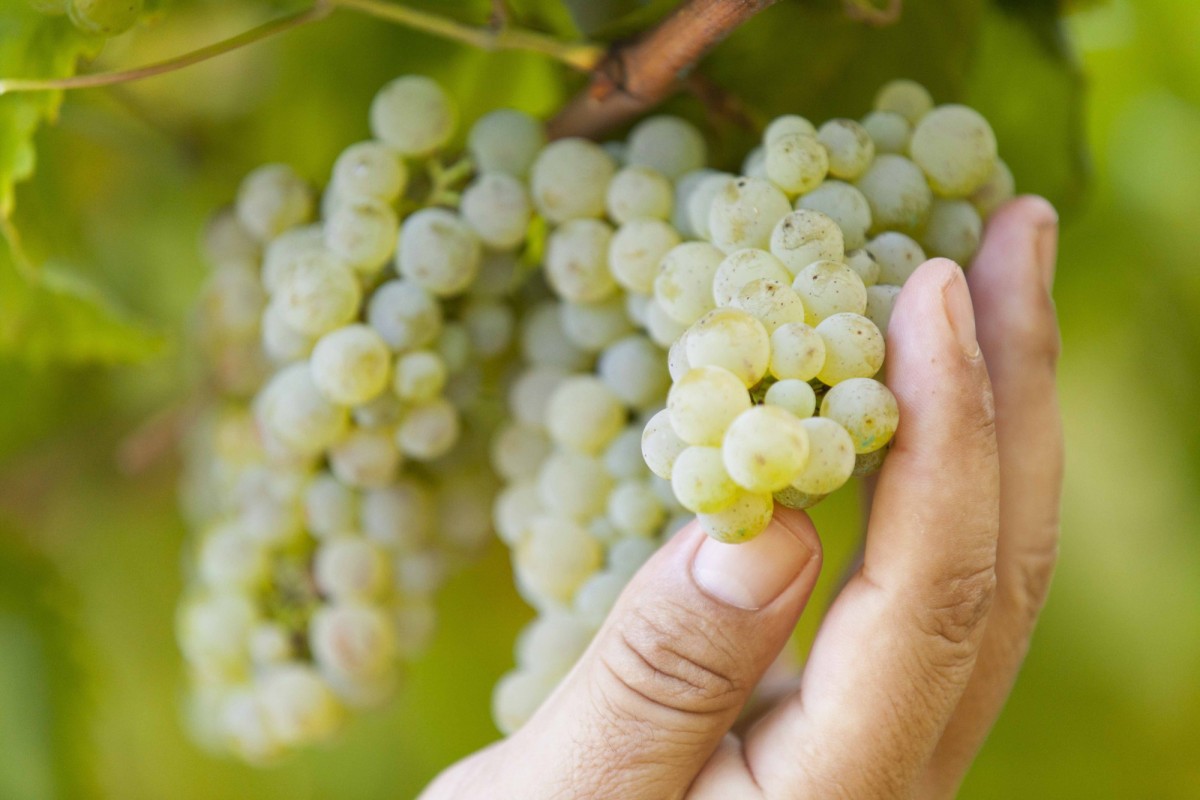
If you’ve ever had a cold glass of Albariño with seafood and thought, “I could drink this forever,” you were probably tasting the spirit of Rías Baixas.
This corner of Galicia, on Spain’s wild Atlantic coast, is all about fresh, aromatic whites, salt‑sprayed landscapes and long lunches.
Why Rías Baixas is a great wine tourism destination
- It’s a cooler‑climate escape – a relief if you’re tired of roasting in inland Spanish summers.
- You can combine wine, epic beaches, lush green countryside, and non-touristy fishing towns.
- The food and wine pairing is genuinely world‑class, without the scary price tags you’d get in some other European wine regions.
Wine, seafood and the rías
The “rías” are the sea inlets and estuaries that carve up this coast, and they’re basically giant seafood farms:
- Oysters and mussels are everywhere – you can eat them in tiny bars or straight from simple marisquerías.
- If you’re feeling adventurous, try percebes (goose barnacles) – strange, pricey, and incredibly addictive once you get over how they look.
Wine experiences and boat tours
Most visitors base themselves around Cambados, O Grove, or Sanxenxo, then explore the sub‑zones like Val do Salnés from there.
Visit family‑run bodegas where you wander between trellised vines (often grown overhead on stone pergolas). Take boat tours on the rías to see the floating platforms where mussels are grown, often combined with an on‑board Albariño tasting. Join guided routes that mix 2–3 wineries with stops in fishing villages and coastal viewpoints.
Jerez wine route
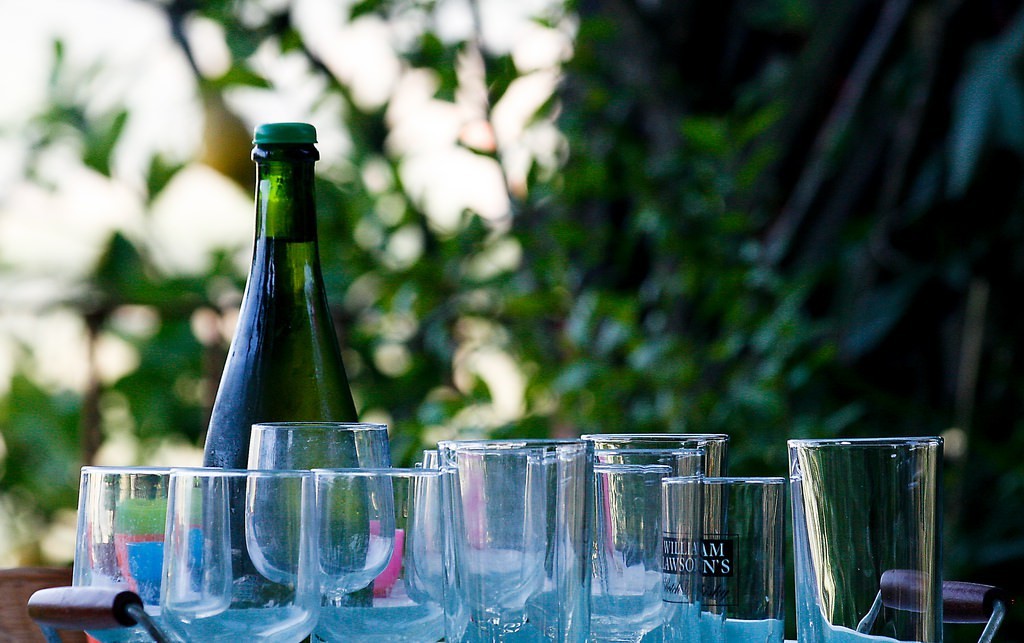
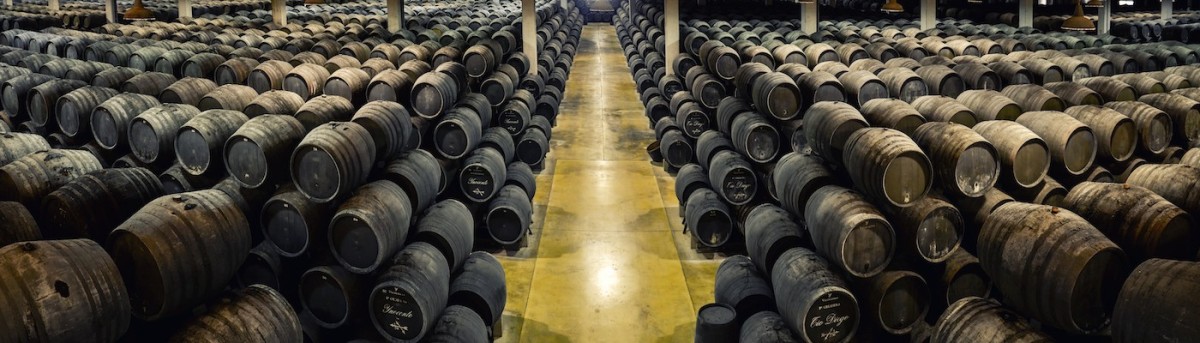
From the cool, misty Atlantic of Galicia, we head all the way south to Andalusia, where the light is harsher, the air is warmer, and the wines are stronger. Welcome to Jerez and the Sherry Triangle – one of Spain’s most fascinating (and misunderstood) wine regions and home to the 3rd-best winery in the world.
What and where is the Sherry Triangle?
The Sherry Triangle is formed by three towns:
- Jerez de la Frontera – the main hub, spiritual home of sherry and Spain's Capital of Gastronomy for 2026
- El Puerto de Santa María – a port town with seafront bodegas
- Sanlúcar de Barrameda – by the Guadalquivir river and the Atlantic, famous for Manzanilla
Styles of sherry and what to expect
You’ll meet a whole spectrum of sherry styles here, each with its own character:
- Fino – pale, very dry, served chilled; brilliant with olives, almonds and tapas
- Manzanilla – a type of fino made around Sanlúcar, super fresh and salty from the sea influence
- Amontillado – starts life as a fino, then ages oxidatively; nuttier, deeper, very complex
- Oloroso – rich, dark, full‑bodied; great with stews and cured cheeses
- Pedro Ximénez (PX) – intensely sweet, raisiny, almost like a liquid dessert
When to visit Jerez
Plan a wine tour in spring for warm but not too hot weather, plus a sprinkle of festivals. In autumn, it's still sunny, and there are fewer crowds than in peak summer. High summer can be very hot, so stick to shaded plazas and cooler evening tastings if you visit then.
Stay inspired for your travels in Spain—get our weekly newsletter for the latest travel guides, cultural news, and lifestyle tips.
For a taste of the high life, sign up for the monthly luxury market round-up.