Spain is packed with remarkable museums, from world‑class art galleries to cutting‑edge science spaces and archaeological centres in smaller cities. If you are planning a culture‑heavy trip or you just want a couple of standout visits alongside beach days and tapas, these are some of the very best museums in Spain to put on your list.
The 10 best museums in Spain to visit
For this round‑up, the focus is on museums that combine strong collections, good visitor reviews, interesting architecture and a clear sense of place. The list also spreads out across the country, with picks that work well for families and for travellers who are not hardcore art fans.
Prado Museum, Madrid
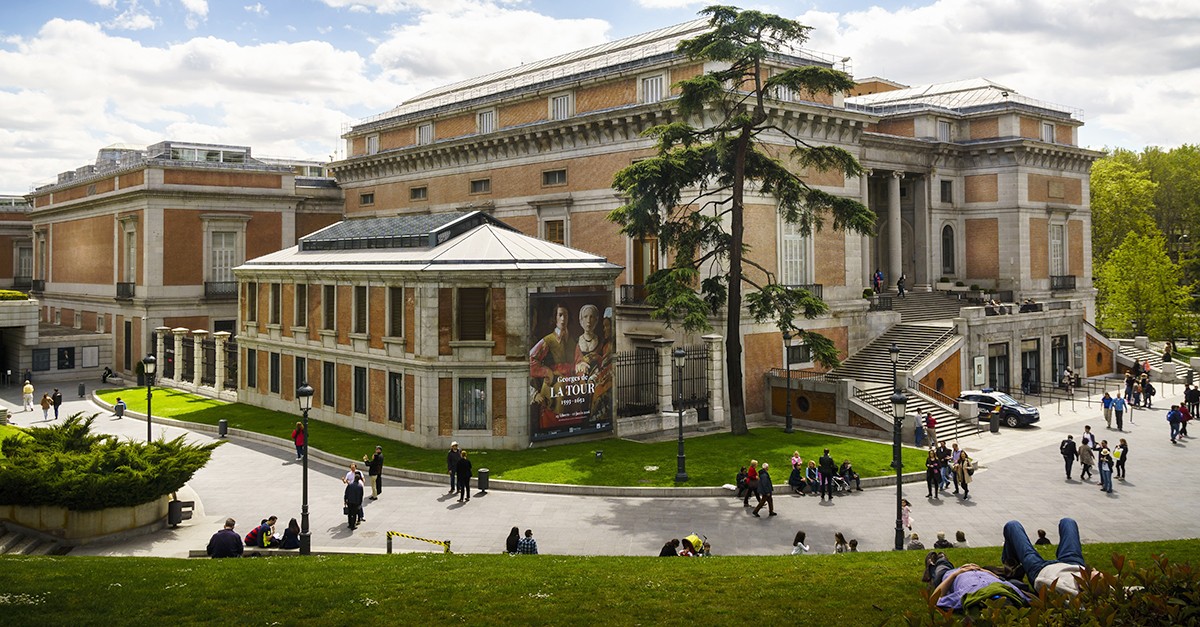
The Prado Museum in Madrid is widely regarded as Spain’s most important art museum and one of the most visited in the country. It showcases an extraordinary collection of European painting, with a special focus on Spanish masters.
Why go:
- See masterpieces by Velázquez, including Las Meninas, along with key works by Goya and El Greco.
- Explore rooms full of Flemish and Italian painting that rival the big museums in Paris or Florence.
- The building itself, a grand 18th‑ and 19th‑century complex, feels like a palace of art rather than a sterile gallery.
Museo Reina Sofía, Madrid

The Museo Reina Sofía is Spain’s flagship modern and contemporary art museum, housed in a former hospital near Atocha station. It is best known as the home of Picasso’s Guernica.
Why go:
- See Guernica in person, along with preparatory sketches and documents that explain the painting’s context.
- Wander through rooms filled with Dalí and Miró, plus Spanish avant‑garde movements and international contemporary art.
- The layout is lighter and more experimental than the Prado, with installations, film and photography alongside painting and sculpture.
- Roof terraces and courtyards break up the visit and give you good views over this part of Madrid.
Fundació Joan Miró, Barcelona
The Fundació Joan Miró is set in a bright, low‑rise building designed to show Miró’s work in natural light. It has a relaxed atmosphere that often feels calmer than central Barcelona.
Why go:
- See Miró’s paintings, sculptures and textiles in a space tailored to his style, with plenty of room to breathe.
- Enjoy playful, colourful works that are often easier to engage with for children and casual museum‑goers.
- The building is a landmark of modern Catalan architecture, with white walls, terraces and courtyards that encourage slow wandering.
Picasso Museum Málaga
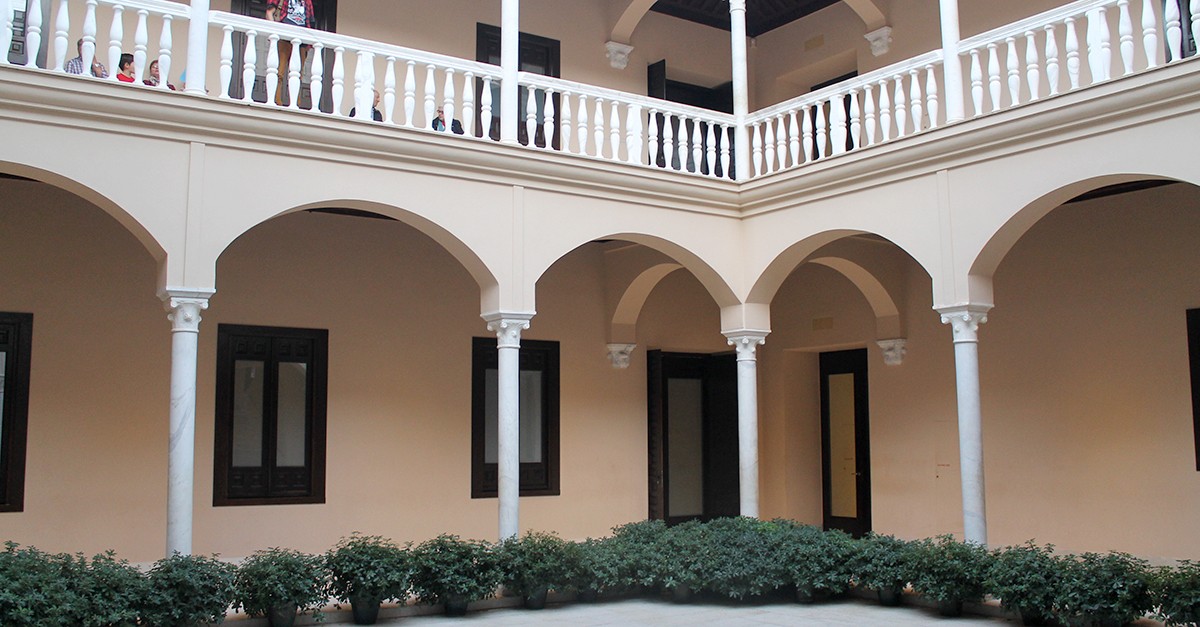
The Picasso Museum Málaga brings Picasso back to his birthplace in Andalusia, just a short walk from the house where he was born. The collection sits inside a restored palace in the historic centre.
Why go:
- See works that span most of Picasso’s career, with a focus on how his roots in Málaga shaped his themes and colours.
- Explore temporary exhibitions that often highlight his contemporaries or artists he influenced.
- Combine the museum with a visit to the Alcazaba, the Roman theatre and the city’s lively bar and restaurant scene.
- It fits naturally into a beach‑plus‑culture trip on the Costa del Sol.
Thyssen‑Bornemisza Museum, Madrid

The Thyssen‑Bornemisza Museum completes Madrid’s UNESCO-protected “Art Triangle”, filling in many of the gaps between the Prado’s old masters and the Reina Sofía’s modern focus.
Why go:
- Follow a clear timeline from medieval religious works through Renaissance and Baroque art to Impressionism and 20th‑century pieces.
- See big names like Van Gogh, Monet, Degas, Kandinsky and Hopper in an accessible, well‑signed setting.
- It is an easy walk from both the Prado and the Reina Sofía, so you can build a flexible art day around all three.
Museum of Human Evolution, Burgos
The Museum of Human Evolution in Burgos is the wild‑card choice on this list. It focuses on archaeology and human origins, closely linked to the nearby Atapuerca archaeological site, a UNESCO World Heritage location.
Why go:
- Learn about some of Europe’s most important prehistoric finds through interactive displays, replicas and original remains.
- Follow a clear storyline that explains how different human species lived, migrated and adapted over hundreds of thousands of years.
- The modern building anchors a wider cultural complex with research centres and links to guided visits to the Atapuerca digs.
- Burgos itself has an impressive Gothic cathedral and a compact old town, so a museum visit slots neatly into a weekend away.
Guggenheim Museum Bilbao
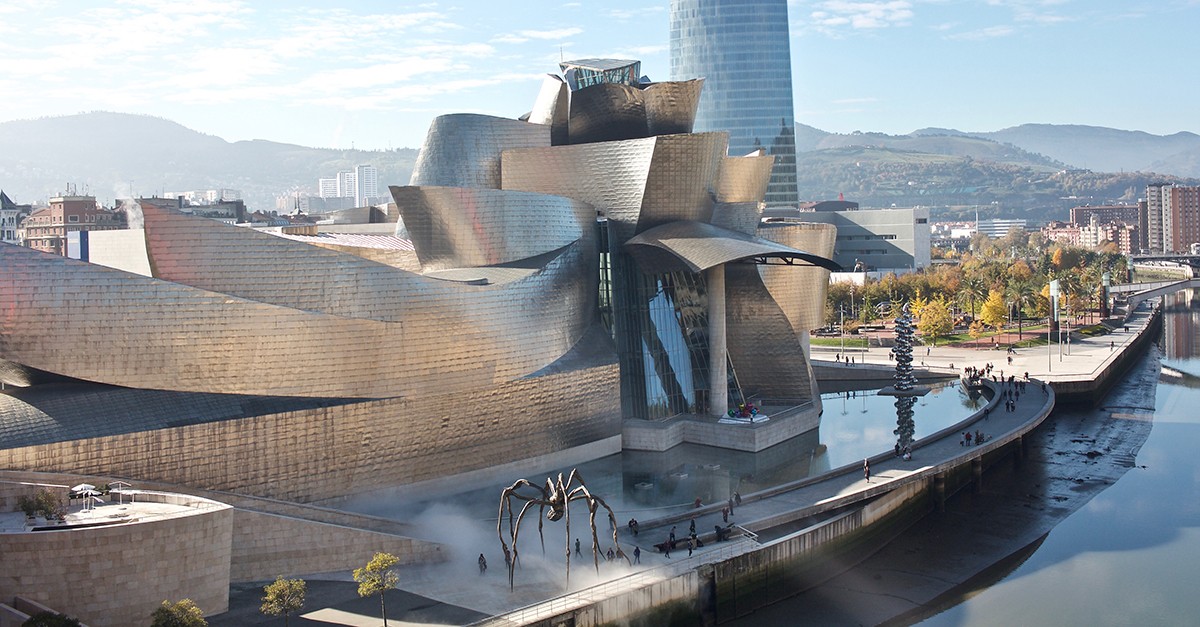
The Guggenheim Museum Bilbao transformed Bilbao and helped kick off a wider regeneration of the Basque Country’s largest city. Its titanium curves now act as a symbol of contemporary Spain.
Why go:
- Take in one of the most striking museum buildings in the world, designed by Frank Gehry and set beside the Ría de Bilbao.
- Walk among large‑scale installations and contemporary works, including pieces that spill outside into the riverside promenade and plazas.
- Enjoy public sculptures such as the floral Puppy and the towering spider, which make the area around the museum feel like an open‑air gallery.
- Use Bilbao as a base for exploring Basque food, coastal towns and green mountain landscapes.
Museu Nacional d’Art de Catalunya, Barcelona
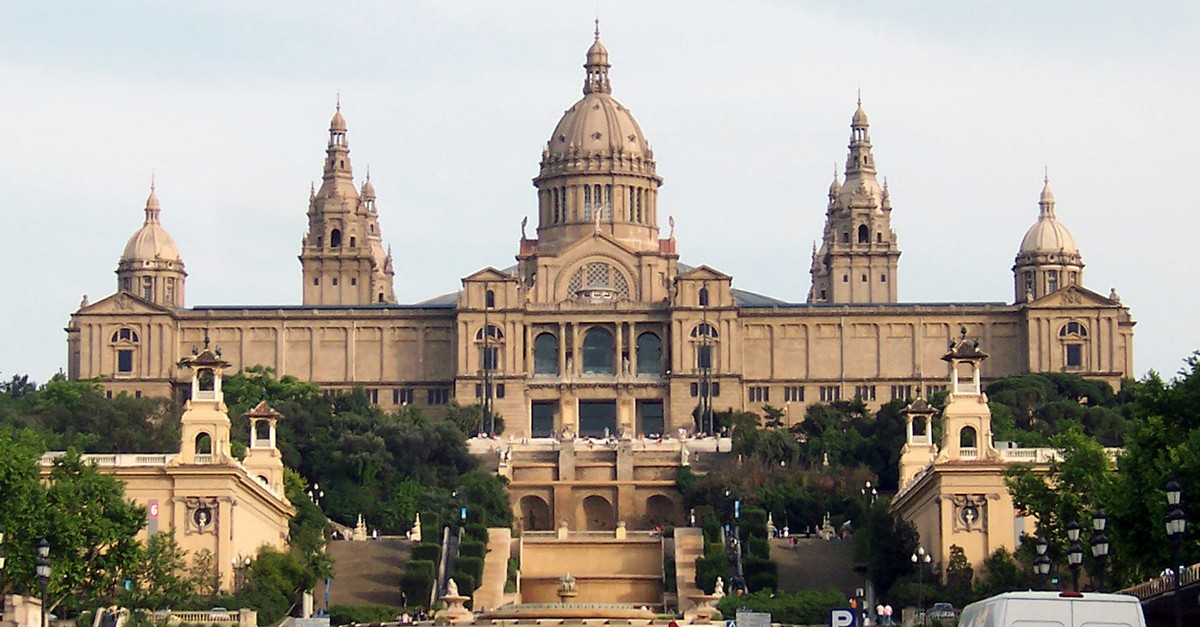
The MNAC (Museu Nacional d’Art de Catalunya) sits high above the city on Montjuïc, inside the Palau Nacional. It offers a sweeping survey of Catalan art, from Romanesque frescoes to 20th‑century pieces.
Why go:
- View an outstanding collection of Romanesque church paintings moved here from rural Catalan chapels.
- Explore Gothic, Renaissance and modern Catalan art, which gives a much richer sense of local identity than most visitors ever see.
- Step out onto the terraces for some of the best views over Barcelona, especially around sunset.
- Combine the museum with the Magic Fountain area and other Montjuïc attractions for a full afternoon.
Picasso Museum, Barcelona
The Picasso Museum in Barcelona focuses on Picasso’s early years and his long relationship with the city. It occupies several linked medieval palaces in the El Born area, close to the Gothic Quarter.
Why go:
- Understand how Picasso developed from a technically gifted teenager into a radical modern artist.
- See lesser‑known works and early experiments that rarely appear in big international exhibitions.
- The building’s courtyards and stone staircases add a strong sense of history to the visit.
City of Arts and Sciences, Valencia
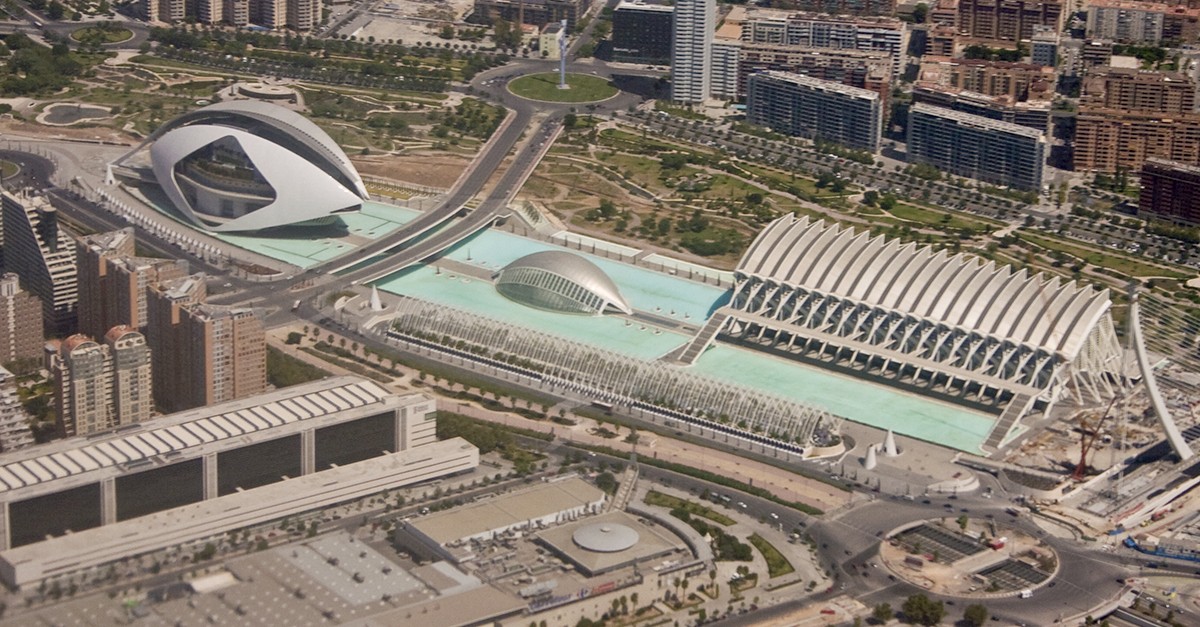
The City of Arts and Sciences in Valencia is a futuristic cultural complex that combines a science museum, an oceanarium, a planetarium and an IMAX cinema. The museum stretches along the old riverbed of the Turia, Valencia's 9-kilometre green lung.
- Spend time in a huge interactive science museum that focuses on hands‑on experiments rather than glass‑case displays.
- Visit one of Europe’s largest aquariums, where each zone is dedicated to a different marine ecosystem.
- The white, sculptural buildings and shallow pools of water create a dramatic skyline, especially in the late afternoon.
- It suits families and travellers who do not necessarily want traditional art museums but still enjoy learning and design.
Stay inspired for your travels in Spain—get our weekly newsletter for the latest travel guides, cultural news, and lifestyle tips.