Spain is full of cliff‑top villages, hanging walkways and suspension bridges that will test even the bravest travellers. These high‑altitude spots deliver real vertigo moments and unforgettable views for hikers, photographers and curious visitors.
Castellfollit de la Roca
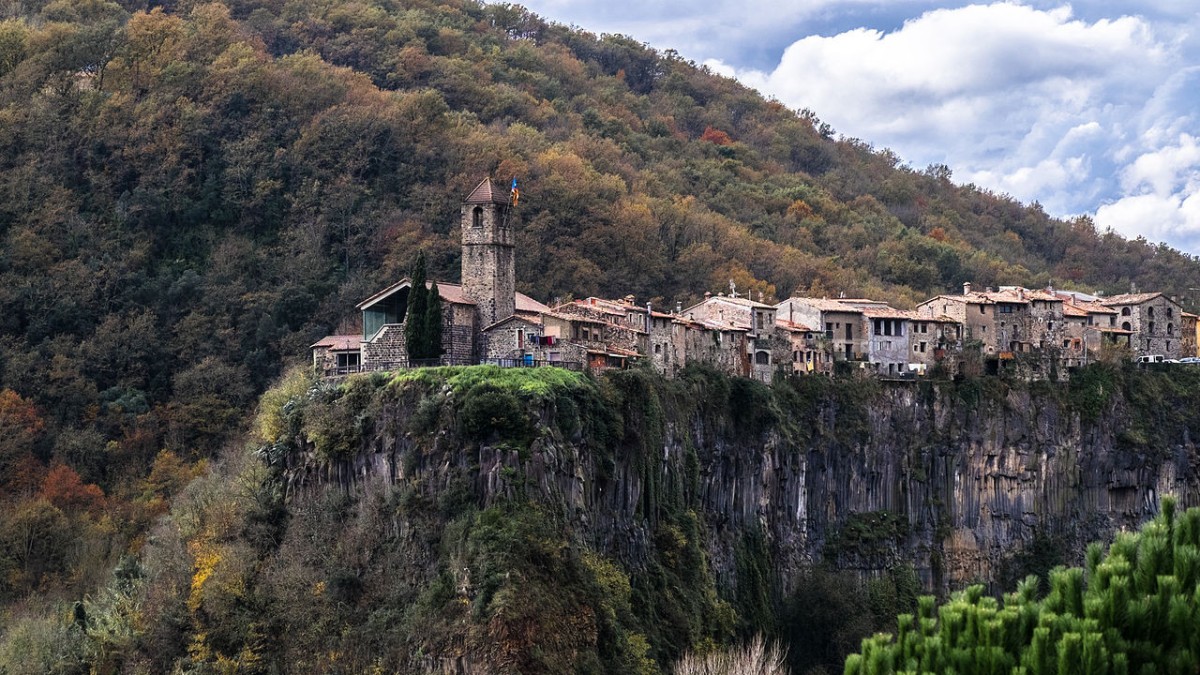
Perched on the edge of a narrow basalt cliff in the province of Girona, Castellfollit de la Roca looks as if it is about to step off into the void. The houses line up along a rocky ridge formed by ancient lava flows, with façades almost hanging over a drop of more than 40 metres to the rivers below.
The village’s narrow, atmospheric streets lead you to the tower of the old Church of Sant Salvador, originally built in the 11th century. Climb up to the main viewpoints, and you’ll be rewarded with sweeping views over the basalt wall, the rivers and the green landscapes of La Garrotxa Volcanic Zone Natural Park.
Caminito del Rey
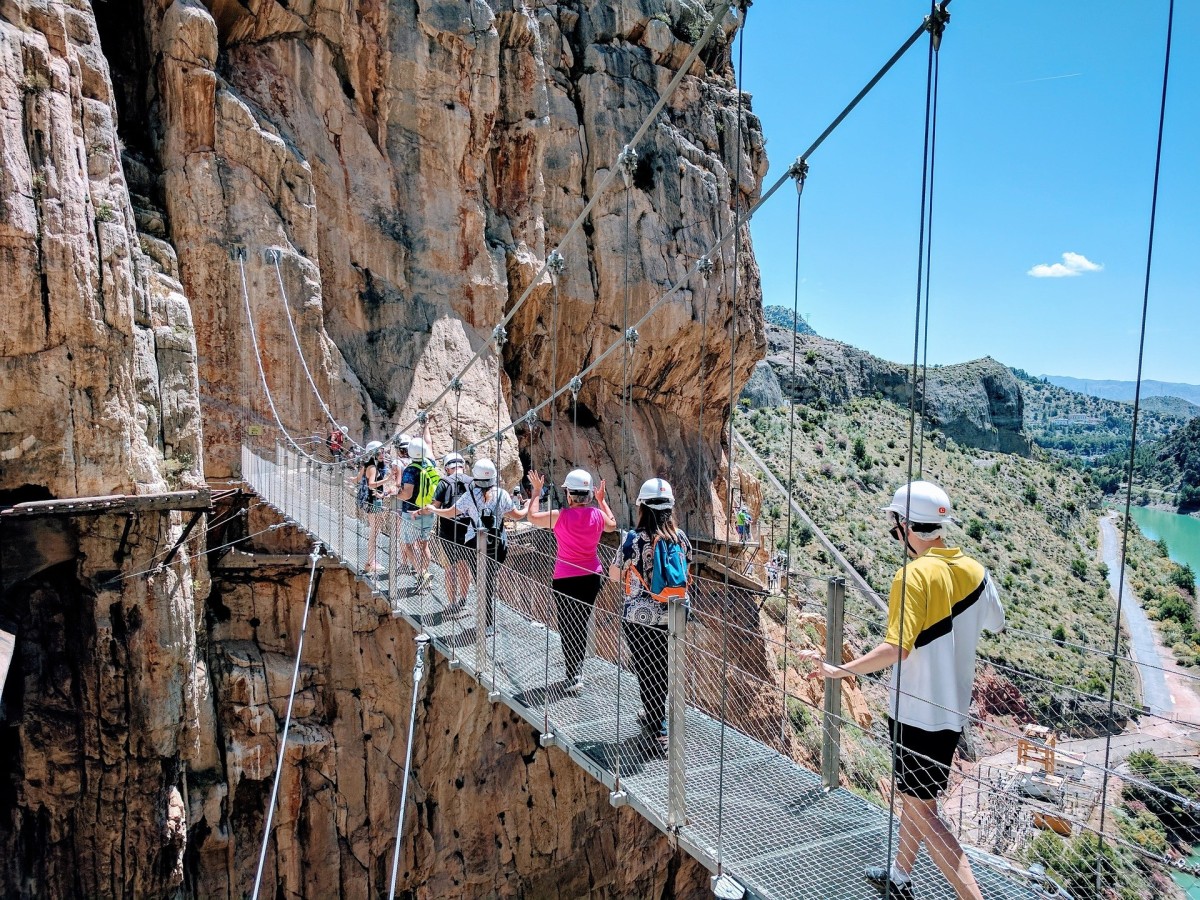
About an hour from the city of Málaga, Caminito del Rey is one of Spain’s most famous vertigo‑inducing walks. Originally built as a service path for a hydroelectric plant, it has been restored as a safe, linear route clinging to the vertical walls of the Gaitanes Gorge.
The walkway is around 7–8 km long in total and suitable for people with a reasonable fitness level. Sections of the path hang up to 100 metres above the river, with glass panels and viewpoints that make the height very clear.
Alcalá del Júcar
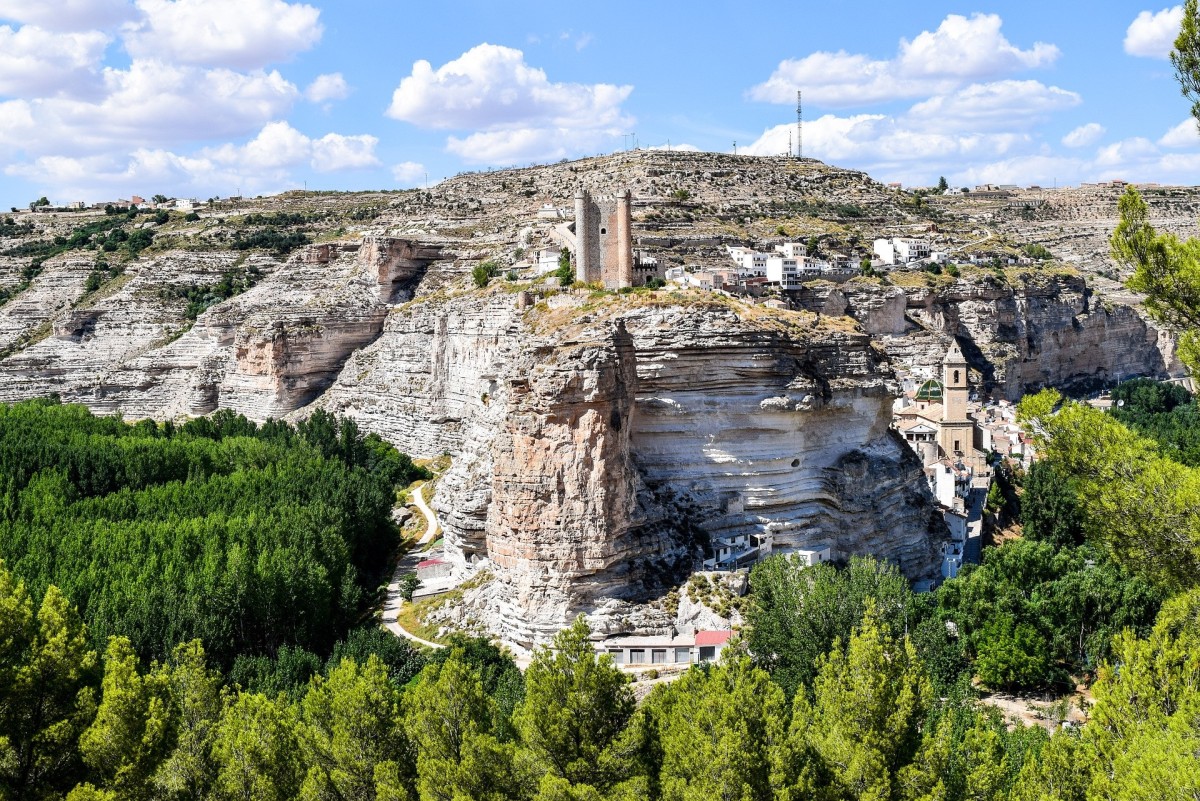
In Albacete, Alcalá del Júcar clings to the side of a deep gorge carved by the Júcar River, with whitewashed houses stacked up steeply above the water. From the riverbank up to the castle at the top, you’re looking at roughly a 70–80 metre climb, which makes the village look as if it’s spilling down a cliff.
Some of the famous cave houses are literally dug into the rock, so you can sip a drink inside the hillside while looking out over the drop. From the castle and viewpoints above, the bend of the river and the Roman bridge sit far below
Los Cahorros Bridge
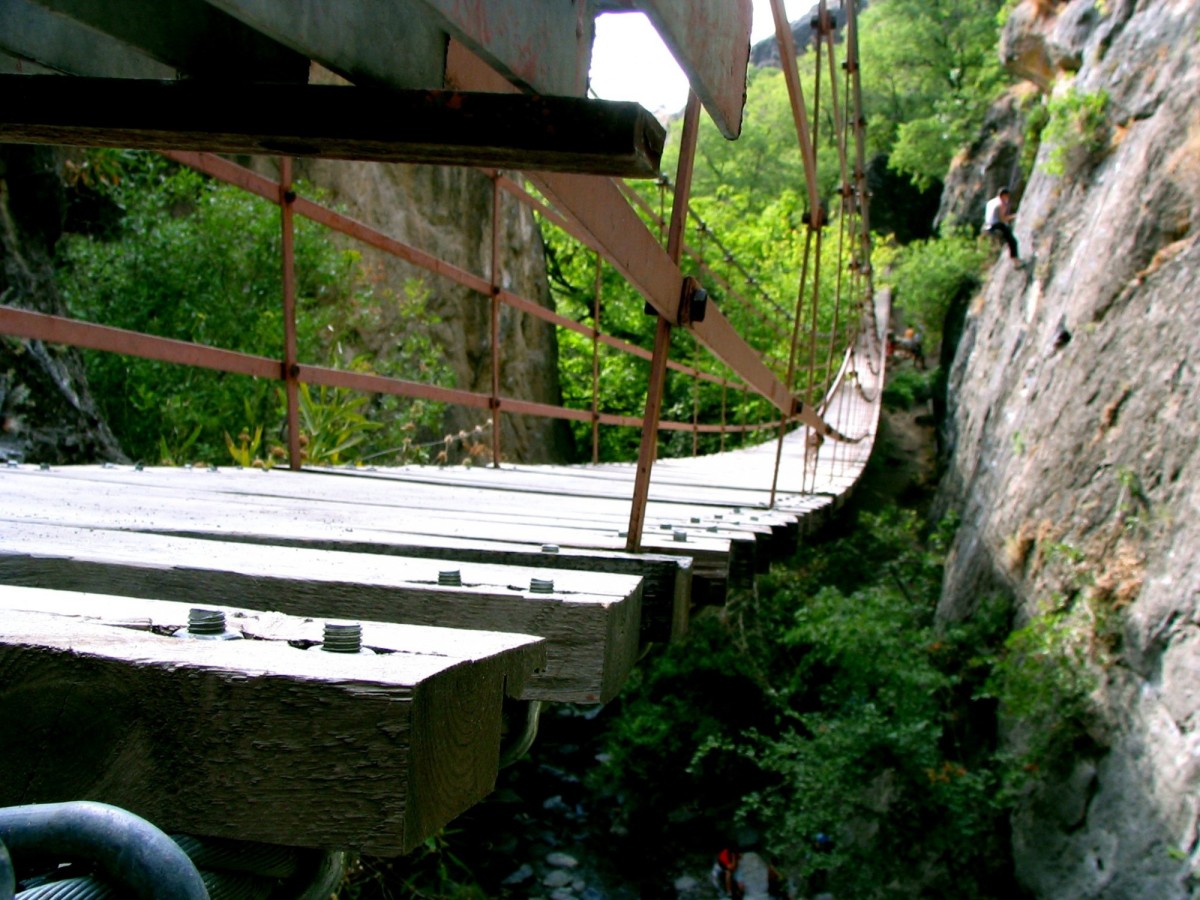
Just outside Granada, the Los Cahorros trail in Monachil follows a narrow river gorge with a series of suspension bridges and rock tunnels. The main Cahorros Bridge hangs around 55–65 metres above the Monachil River.
The path squeezes along cliff walls where you sometimes have to duck or grab metal handles bolted into the rock. When the river is running high, the sound of water far below and the sheer walls rising above the gorge make the whole walk feel like a mini canyon adventure.
Siurana
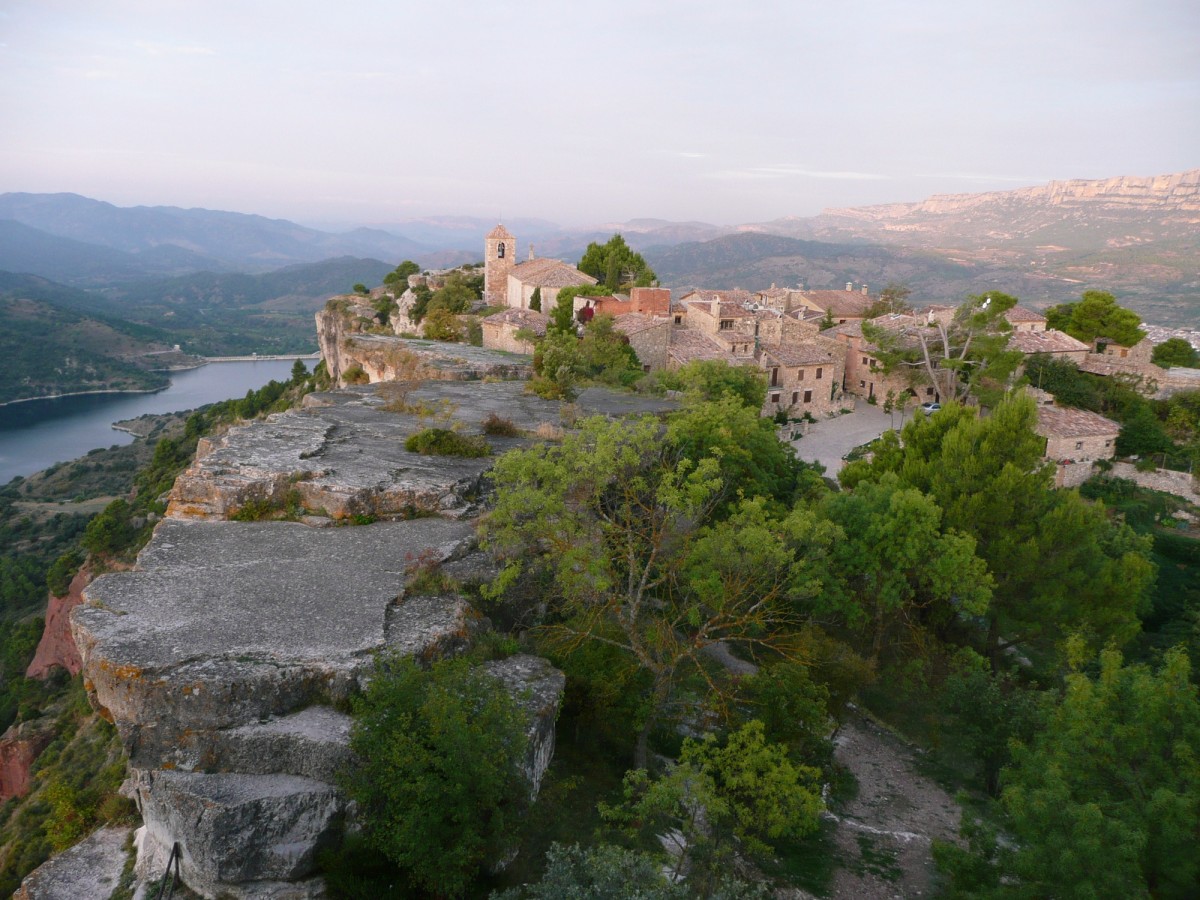
Up in Priorat in Tarragona, Siurana is perched on a limestone outcrop that drops almost sheer down to the reservoir and valleys below. From the cliff edge outside the Romanesque church, the fall to the Siurana River and turquoise water is roughly 200–250 metres. It's no surprise that climbers are obsessed with the crags here.
The village itself is tiny, with stone houses lining lanes that stop abruptly at the cliff edge. From various miradores, you get a bird’s‑eye view over vineyards and olive groves hundreds of metres beneath you. Plus, the famous “jump of the Moorish queen” viewpoint, where the legend says she rode straight off the cliff.
Ronda

In Ronda, the old town and the newer quarter face each other across the El Tajo gorge, which cuts up to 120 metres deep through the rock. The star of the show is the Puente Nuevo, an 18th‑century stone bridge that stands around 98 metres high, joining the two sides in one dramatic sweep.
From the viewpoints along the clifftop, you can look straight down into the narrow canyon, where the Guadalevín River looks like a ribbon at the bottom. A path below the town gives you the classic side‑on view of the bridge soaring nearly 100 metres above you.
Setenil de las Bodegas
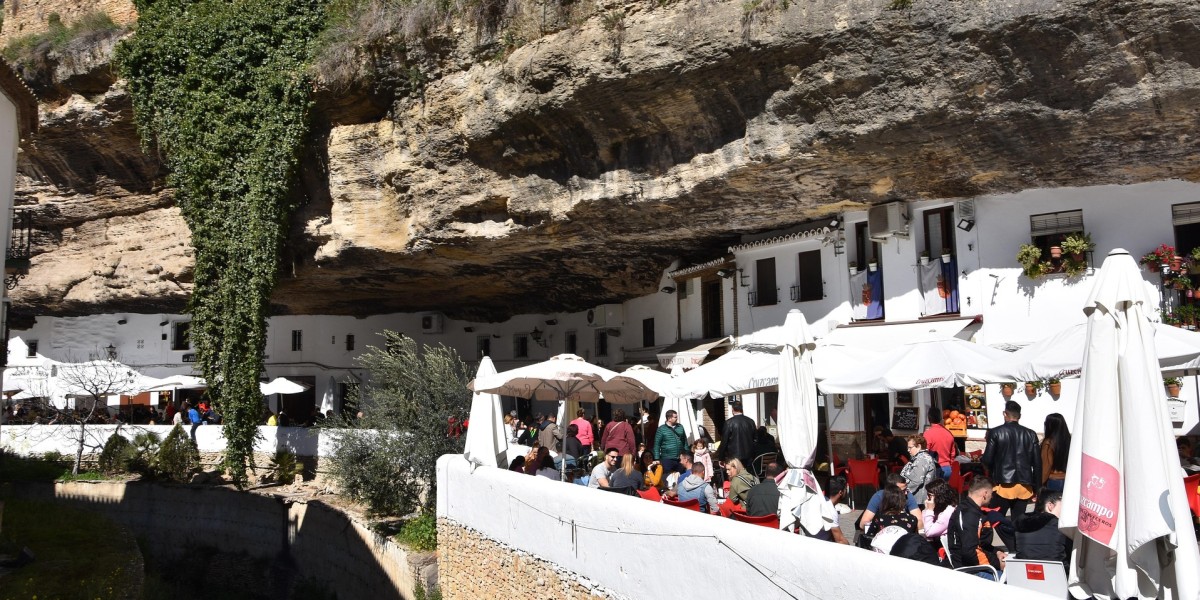
In Setenil de las Bodegas, the cliffs don’t just loom over the village – they form the actual roofs of many homes and bars. Along Calle Cuevas del Sol, the limestone overhang juts out several metres above the street, with a rock ceiling sometimes rising 15–20 metres above the riverbed.
Even though you’re not teetering on a sheer drop, the way the rock presses in from above and around you gives a different kind of vertigo. Look up from a café terrace, and you’ll see tonnes of stone resting just a few metres above the balconies. Climb to the viewpoints above the town, and you realise those same overhangs sit roughly 40–50 metres above the stream at the bottom of the gorge.
Castell de Guadalest
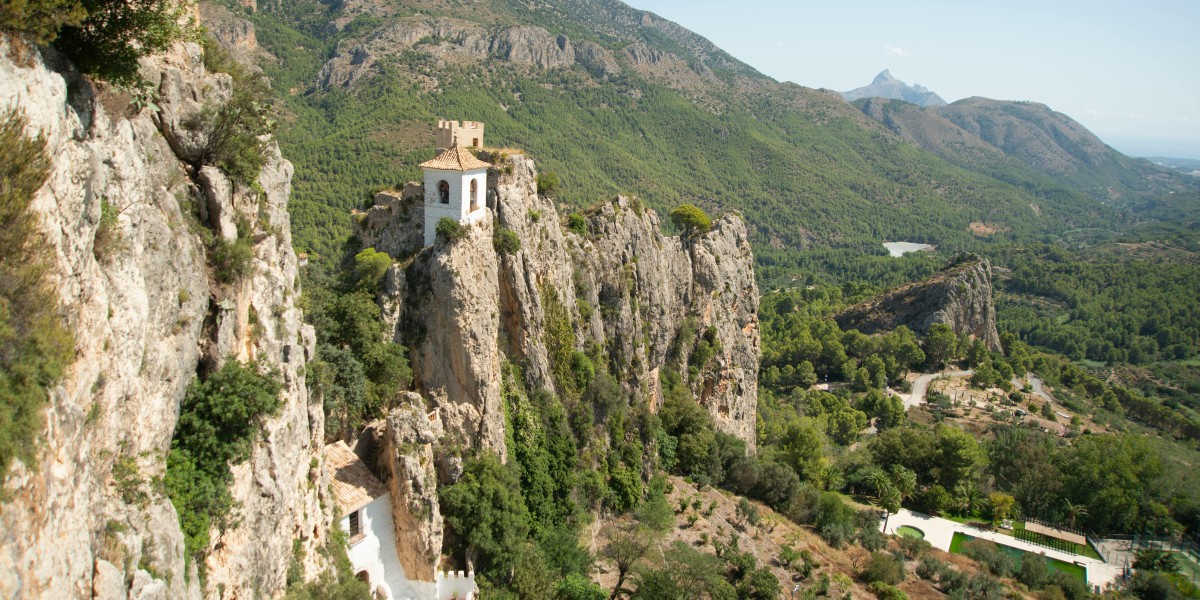
High in the hills of Alicante’s interior, Castell de Guadalest perches on a rocky spur above a striking turquoise reservoir. From the castle ruins at the very top, the drop to the valley floor is in the region of 150–170 metres, with steep terraces and pines cascading down towards the water.
To reach the old village, you pass through a tunnel carved into solid rock that suddenly opens onto balconies and lookouts. Lean over the railings, and you’ll see the reservoir and valley spread out far below, while steep rock walls tower above the church and castle.
Stay inspired for your travels in Spain—get our weekly newsletter for the latest travel guides, cultural news, and lifestyle tips.