Easter in Spain isn’t about pastel-coloured eggs and chocolate bunnies. It’s a deeply rooted religious and cultural event that spills out into the streets, filling entire cities with candlelight, incense and the steady beat of drums.
Spending Easter in Spain means witnessing centuries-old rituals, dramatic processions and some of the most comforting seasonal food you’ll eat all year.
Is Semana Santa the same as Easter?
Semana Santa, or Holy Week, refers specifically to the week leading up to Easter Sunday. It begins on Palm Sunday and runs through to Domingo de Resurrección (Easter Sunday).
In Spain, Semana Santa is the heart of Easter celebrations. Easter Sunday marks the Resurrection, but the days before it, especially Maundy Thursday and Good Friday, are when you’ll see the most important religious events and processions.
How do they celebrate Easter in Spain?
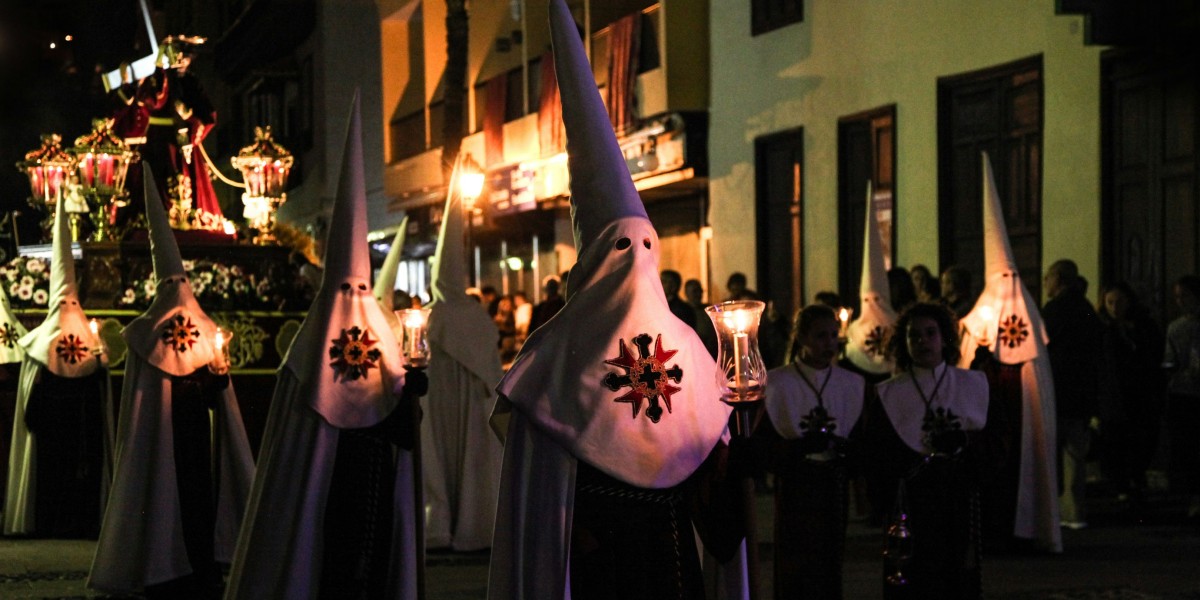
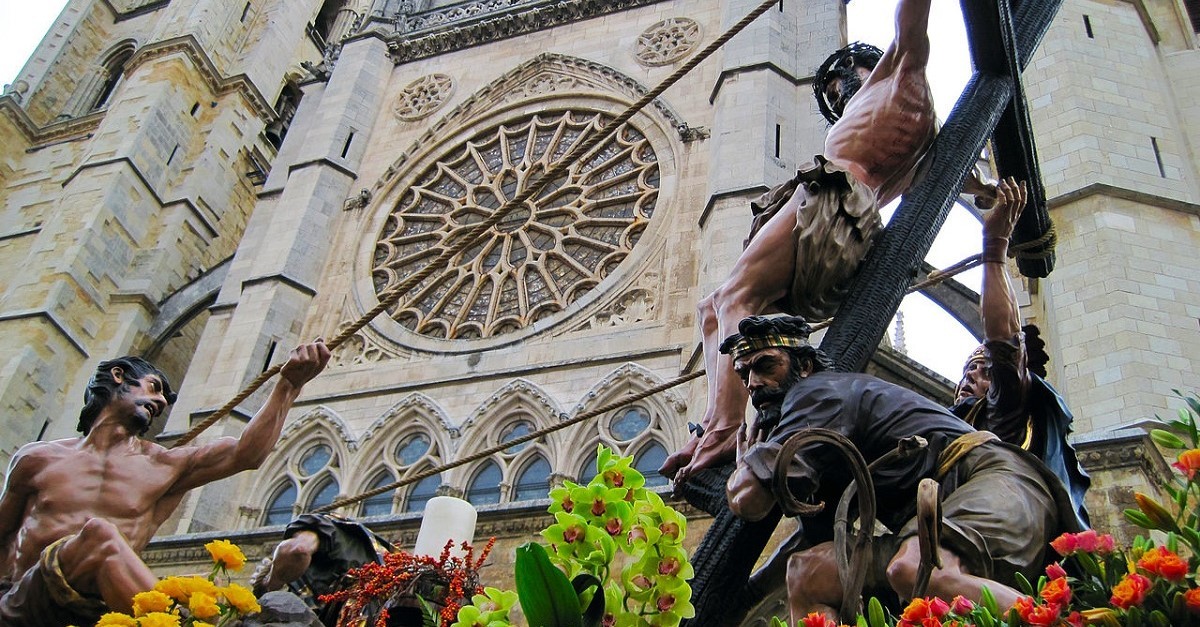
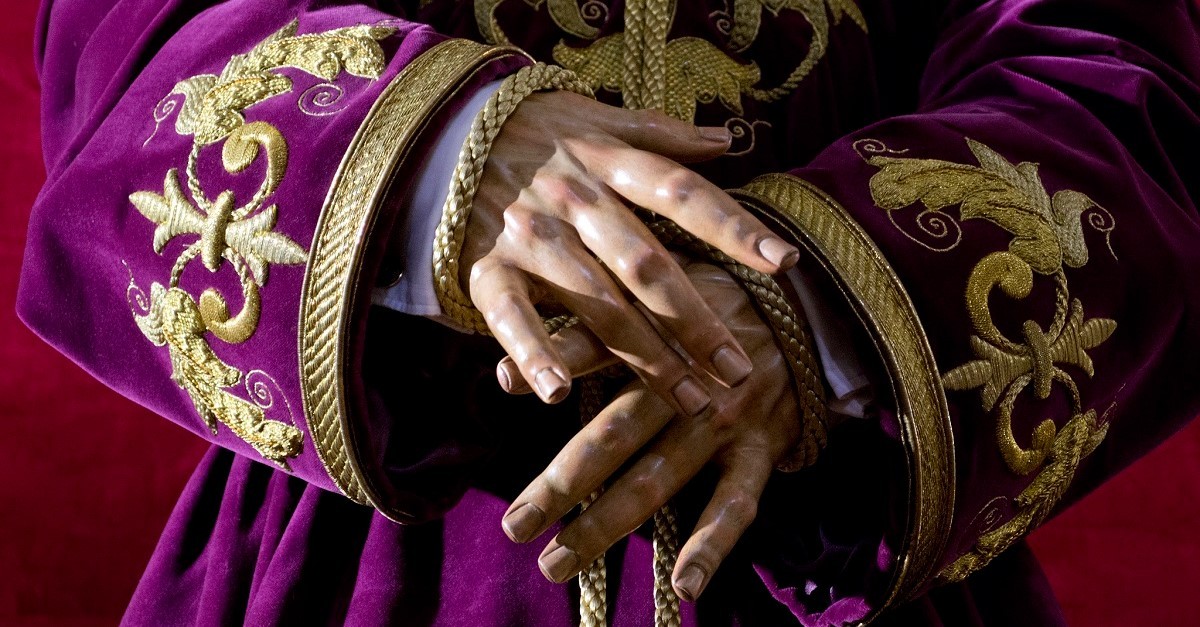
The most recognisable feature of Easter in Spain is the procession. Religious brotherhoods, known as cofradías, carry enormous floats through the streets. These floats often depict scenes from the Passion of Christ or statues of the Virgin Mary, decorated with flowers and candles.
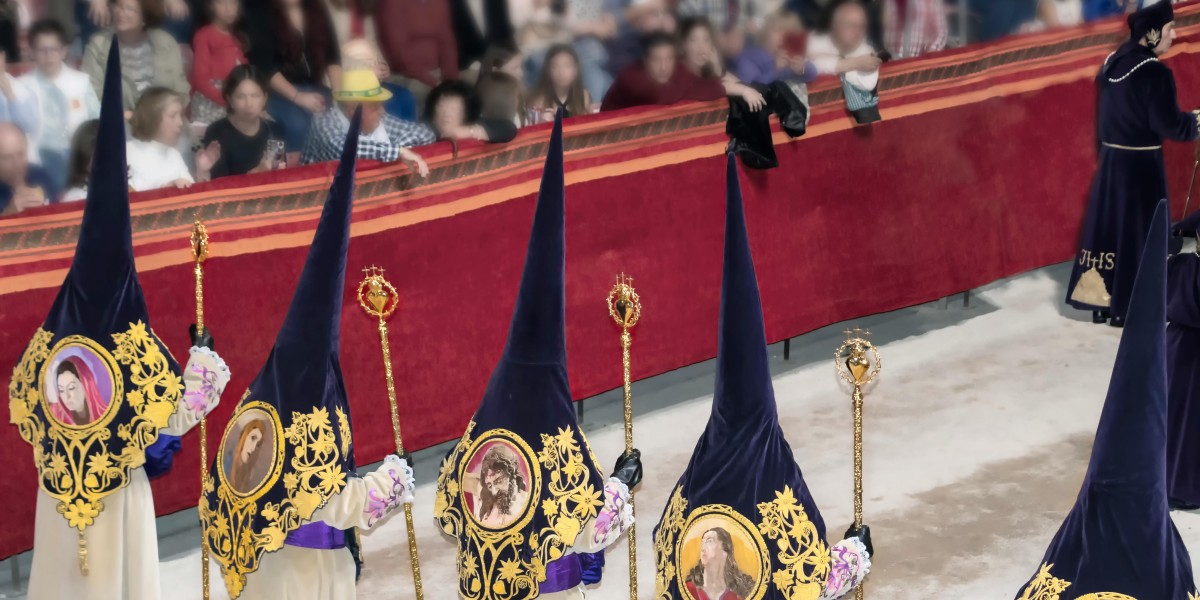
Participants wear long robes and pointed hoods called capirotes. To an outsider, they can look startling at first, but they are traditional penitential garments with medieval origins. The atmosphere varies hugely depending on where you are. In some cities, it’s solemn and silent, broken only by the sound of a lone trumpet.
Which city in Spain is famous for its Easter celebrations?
When picking the best place to spend Easter in Spain, there's plenty of choice. Head south for fervent Catholic ceremonies, or to the capital for a mix of Holy Week traditions and cultural events.
Andalusia
If one city dominates conversations about Semana Santa in Spain, it’s Seville. The processions here are elaborate and deeply embedded in local identity.
Beyond Seville, cities like Malaga and Granada put on striking processions. In Malaga, some floats are carried by members of the Spanish Legion, adding a distinctive military presence.
Madrid
In Madrid, processions move through areas such as Lavapiés and around Plaza Mayor. The capital blends tradition with big-city energy, and you’ll see intricately decorated floats against a backdrop of grand boulevards and baroque churches.
Salamanca
Easter in Salamanca feels more intimate. The golden sandstone of the Plaza Mayor and the university buildings adds drama to the candlelit night processions. Events like La Borriquilla on Palm Sunday and the solemn Maundy Thursday services reflect the city’s historic character.
Cuenca
In Cuenca, the early morning procession known as Las Turbas takes place on Good Friday. Drums and trumpets create a chaotic, almost disorientating soundscape as crowds accompany the float through the narrow streets. Locals often refer to it as the Camino del Calvario, emphasising its religious meaning rather than the old nickname that tends to confuse visitors.
Toledo
Toledo offers a particularly atmospheric experience. Night-time processions pass through medieval alleyways lit by torches and candles. With its layered Christian, Jewish and Muslim history, the setting feels quietly powerful rather than theatrical.
Semana Santa food
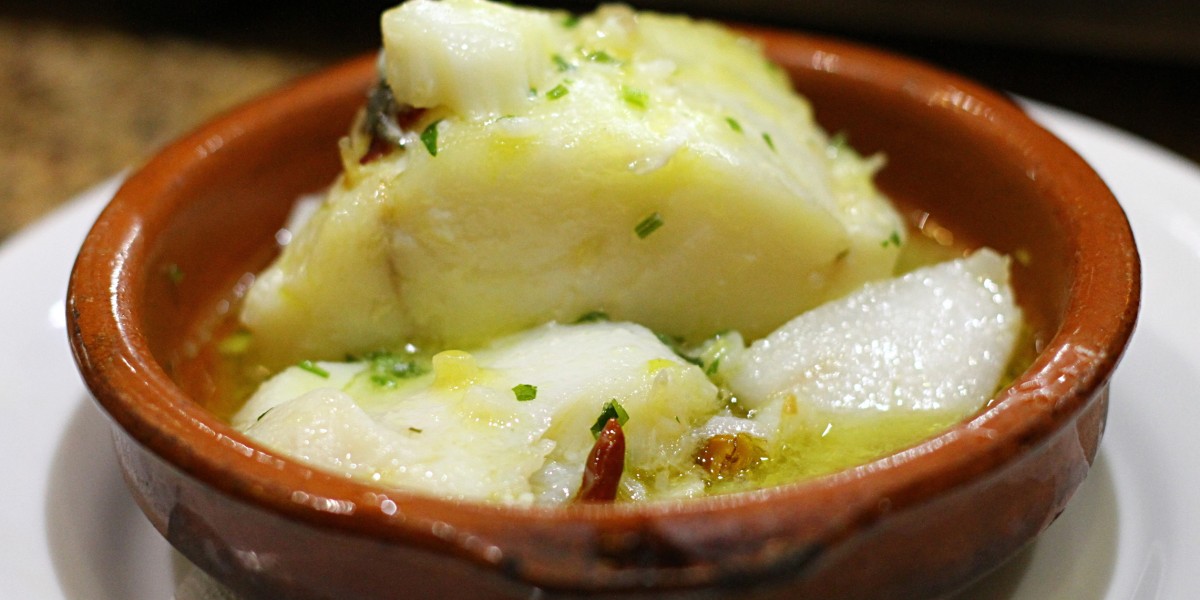
Food during Semana Santa traditionally reflects Catholic customs of abstaining from meat on certain days, which is why you’ll see so much fish and vegetable-based cooking.
- Chickpea potaje: a hearty stew with chickpeas, spinach and salt cod.
- Buñuelos de bacalao: salt cod fritters, crisp on the outside and soft in the middle.
- Sopa de ajo: garlic soup with paprika and sometimes a poached egg.
- Bacalao al pil pil: a Basque dish where cod is gently cooked in olive oil and garlic until the sauce emulsifies naturally.
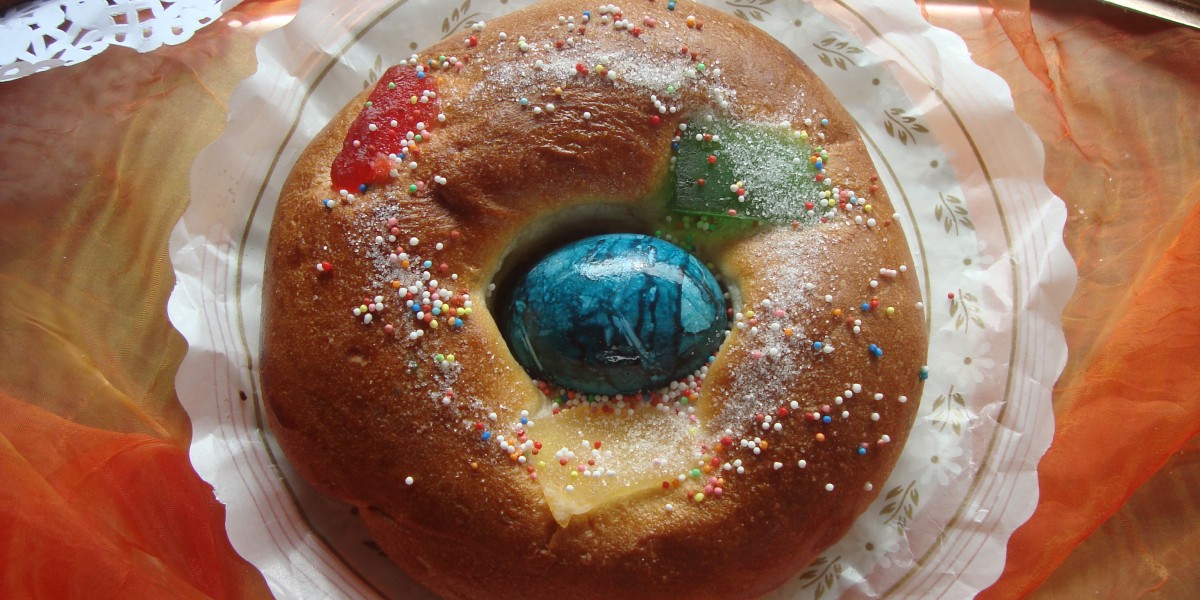
On the sweet side, Easter in Spain leans heavily into nostalgia:
- Mona de Pascua: popular in Catalonia and the Valencian Community, often topped with chocolate figures and given to children by their godparents.
- Torrijas: thick slices of bread soaked in milk or wine, dipped in egg, fried and rolled in sugar and cinnamon.
Is it a good idea to visit Spain during Easter?
Easter is one of the busiest travel periods in Spain. Schools close, many people take time off work, and domestic tourism spikes.
That said, it’s also one of the most culturally rich times to visit. You’ll see traditions that aren’t staged for tourists but are part of everyday life. Expect crowds, road closures and higher accommodation prices in popular cities.
Easter in Spain for kids

Spain doesn’t revolve around the Easter bunny, and egg hunts are not a widespread tradition. The focus remains on religious observance and family gatherings.
Children often take part in processions as members of brotherhoods, dressed in miniature robes and carrying candles. In regions such as Catalonia, receiving a Mona de Pascua is a highlight for many children.
Easter in Spain 2026: key dates
In 2026, Semana Santa runs from Sunday 29th March (Palm Sunday) to Sunday 5th April (Easter Sunday). Good Friday falls on 3rd April 2026.
These key dates shift each year, so it’s always worth checking in advance if you’re planning a spring trip around Easter in Spain.
Living in Spain
Experiencing Easter in Spain often gives people a deeper sense of how strongly local traditions shape daily life. If you’re considering something more permanent with the family, it’s worth understanding that public holidays, regional customs and religious festivals still play a visible role in the calendar.
Semana Santa is one of the easiest ways to feel part of the community. It’s not just a spectacle to watch, but a reminder of how history and modern Spanish life continue to sit side by side.