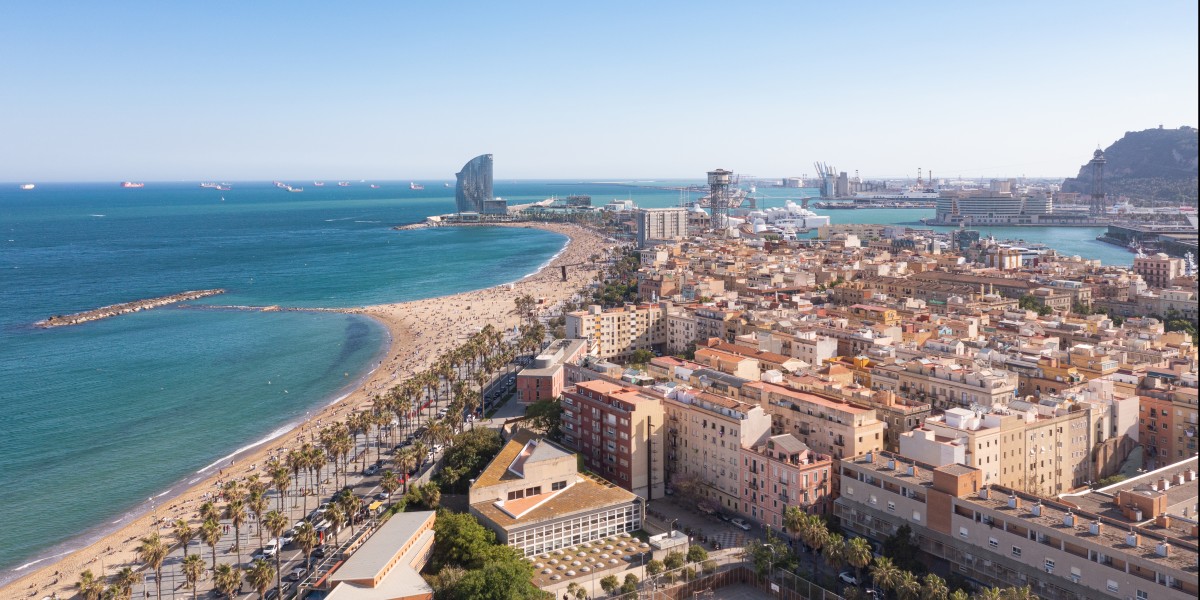
Barcelona’s a layered city where a street can switch from a buzzy afternoon to a quiet midweek night. When people talk about areas to avoid in Barcelona, it’s usually low‑level, opportunistic stuff rather than anything heavy. What matters most is timing and street layout—lighting and footfall count more than the postcode.
Areas to avoid in Barcelona (by day and at night)
Barcelona’s trickiest spots are usually crowded corridors or quiet, low‑lit corners rather than whole neighbourhoods. Petty theft is the main issue, especially around terraces, metro hubs and narrow medieval lanes after dark, while violent incidents are less common. Timing, lighting and footfall make the biggest difference, and a few low‑key habits go a long way without cramping the fun.
Barri Gòtic (Gothic Quarter) at night
The lanes off Plaça Reial and along Carrer Ferran can feel maze‑like after 11 pm, when phone and bag snatches pick up as footfall thins. Stick to the brighter spines between Plaça Sant Jaume and the cathedral when it’s late.
El Raval
Creative and multicultural, with late buzz around Rambla del Raval and near Plaça dels Àngels. Opportunistic theft rises after midnight on the tighter streets. A cross‑body bag kept zipped and in sight tends to remove the faff.
El Born
Around Passeig del Born and Santa Maria del Mar, terrace crowds swell after 10 pm, which also attracts nimble hands at outdoor tables. Loop a bag strap through a chair leg rather than hanging it on the back.

La Rambla and Plaça de Catalunya
This central axis is shoulder‑to‑shoulder most afternoons and evenings, making distraction theft easier near Liceu and at the Plaça de Catalunya crossings. Keep small notes handy so the wallet stays put during quick purchases.
Barceloneta and the beachfront promenades
On Platja de la Barceloneta and along the Passeig Marítim, lifts from towels and quick bike/scooter snatches spike around sunset and after midnight. Leave passports at the accommodation and use a simple beach tote with nothing you’d miss.
Parc de la Ciutadella after dark
Lovely by day, but interior paths quieten after 10 pm, while the perimeter near Passeig de Lluís Companys and Arc de Triomf stays livelier. Favour the lit outer avenues if you’re crossing the park late.

Parts of Nou Barris and Sant Andreu
Pockets near Via Júlia (Nou Barris) or around Sant Andreu Arenal feel very quiet late on weeknights, which can be disconcerting if you don’t know the area. Plan routes along well‑lit arterials like Avinguda Meridiana or Fabra i Puig.
Metro stations and transport hubs
Sants Estació, Catalunya and Arc de Triomf see more distraction theft at rush hours and just after last orders, especially at ticket machines and carriage doors. Carry your bag to the front when on the escalators and keep zips closed between stations.
La Mina district (adjacent to Barcelona)
Over in Sant Adrià de Besòs near the Fòrum and the T4 tram stop La Mina, it can feel rough around the edges, especially after dark. Daytime and main routes between tram stops are the calmer bet.
Is Barcelona safe at night: practical guidance
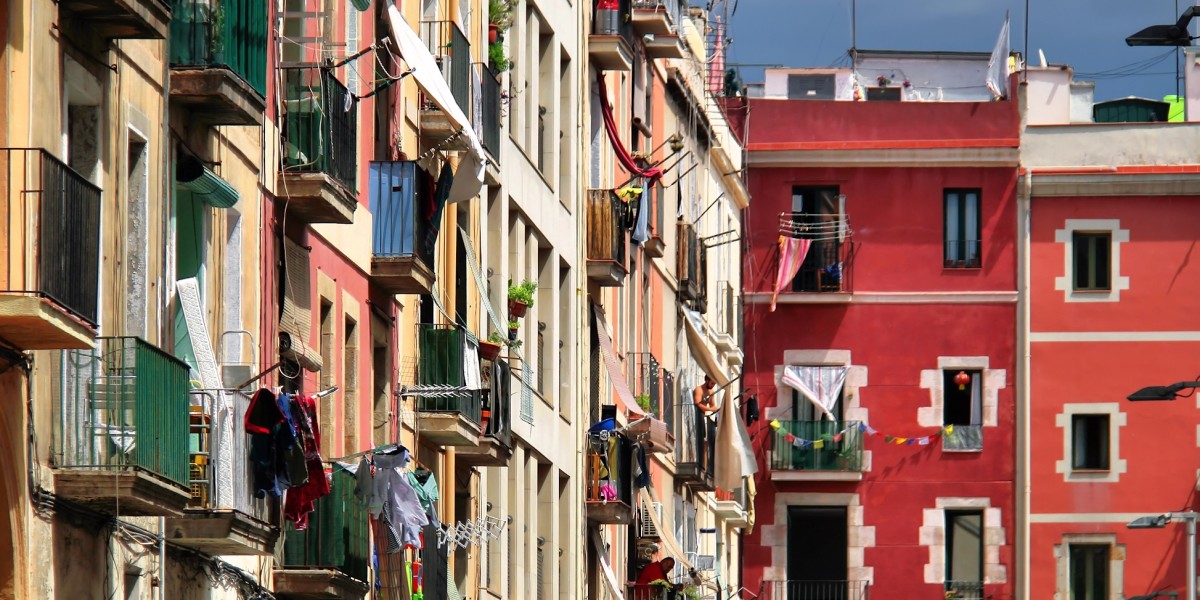
Barcelona feels different from hour to hour and street to street. The places people flag as areas to avoid in Barcelona at night are usually quiet alleys, near-empty beachfronts and packed transport hubs. Most locals lean on simple habits that keep the night easy-going without fuss:
- Stick to brighter, busier spines and squares; quieter lanes can feel exposed once footfall dips.
- Licensed taxis and ride‑hailing are the low‑stress choice after late dinners or gigs, especially across longer hops.
- Keep phones and wallets front‑facing on the metro; late services and hub stations see more distraction theft.
- Terrace tables are lovely, but bags fare better looped through a chair leg than on the backrest.
- Cash for small buys helps so the wallet stays put in crowds.
Safest areas to stay in Barcelona (and where not to stay)
Calmer choices for many mean well‑lit avenues with straightforward transport—handy after late dinners or when arriving with luggage. However, a solo traveller heading home late might lean towards wide, busy avenues and a quick hop to the metro, while others prefer the texture of older quarters to see the city as it really is. Finding the safest areas to stay in Barcelona means weighing up what is most important to you when exploring the city.
- Eixample (Dreta & Esquerra): grid‑pattern avenues, plenty of lighting and metro options; a handy base for first‑timers who like walkability and predictable routes.
- Gràcia: village feel with lively squares; central bits stay buzzy into the evening, and the compact layout makes it straightforward once you learn the main streets.
- Sarrià–Sant Gervasi: leafy and residential, quieter after dark; a good match if you value peaceful nights over doorstep nightlife.
- Poblenou: broad avenues and the Rambla del Poblenou give it an easy, neighbourhood feel; beaches are close without the late‑night noise of the busiest seafront strips.
Poble‑sec: between Montjuïc and Avinguda del Paral·lel, with a solid bar scene on Carrer de Blai; many visitors like its balance of local vibe and central access.
Areas some newcomers sidestep for a first stay aren’t “off‑limits”, they just demand a bit more street‑sense at night or can be noisy. Deeply tucked lanes in the Barri Gòtic, the dimmer corners of El Raval, and the most crowded stretch of La Rambla. The idea is comfort over labels—choose well‑lit streets near transport in any neighbourhood, and the experience usually feels smoother.

Stay in the know about living in and visiting Spain as a foreigner—get our weekly newsletter for the latest travel, legal, and lifestyle news.
For a taste of the high life, sign up for the monthly luxury market round-up.