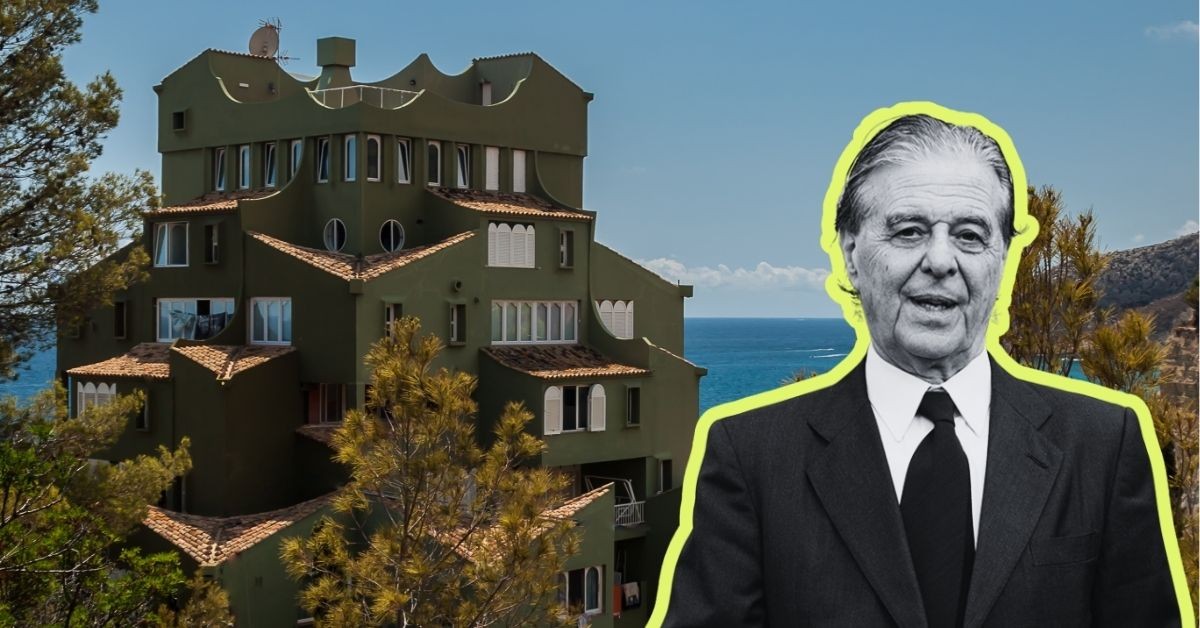

Architecture is the art of balance, reconciling creativity with function and technique, the visual with the comfortable. Few Spanish architects embodied this synthesis better than the Catalan postmodernist Ricardo Bofill (1939–2022).
Born in Catalonia, Ricardo Bofill Leví carried his work across the globe, leaving a mark on India, China, Russia and the United States, among many other countries. In 1963, he founded the renowned Taller de Arquitectura (Architecture Workshop) in Barcelona, an endeavour that reached far beyond the artistic realm. Under one roof, he assembled a multidisciplinary team of architects, engineers, urban planners, sociologists, poets, filmmakers and philosophers, all committed to reimagining architecture. In this article, we explore his most iconic works.
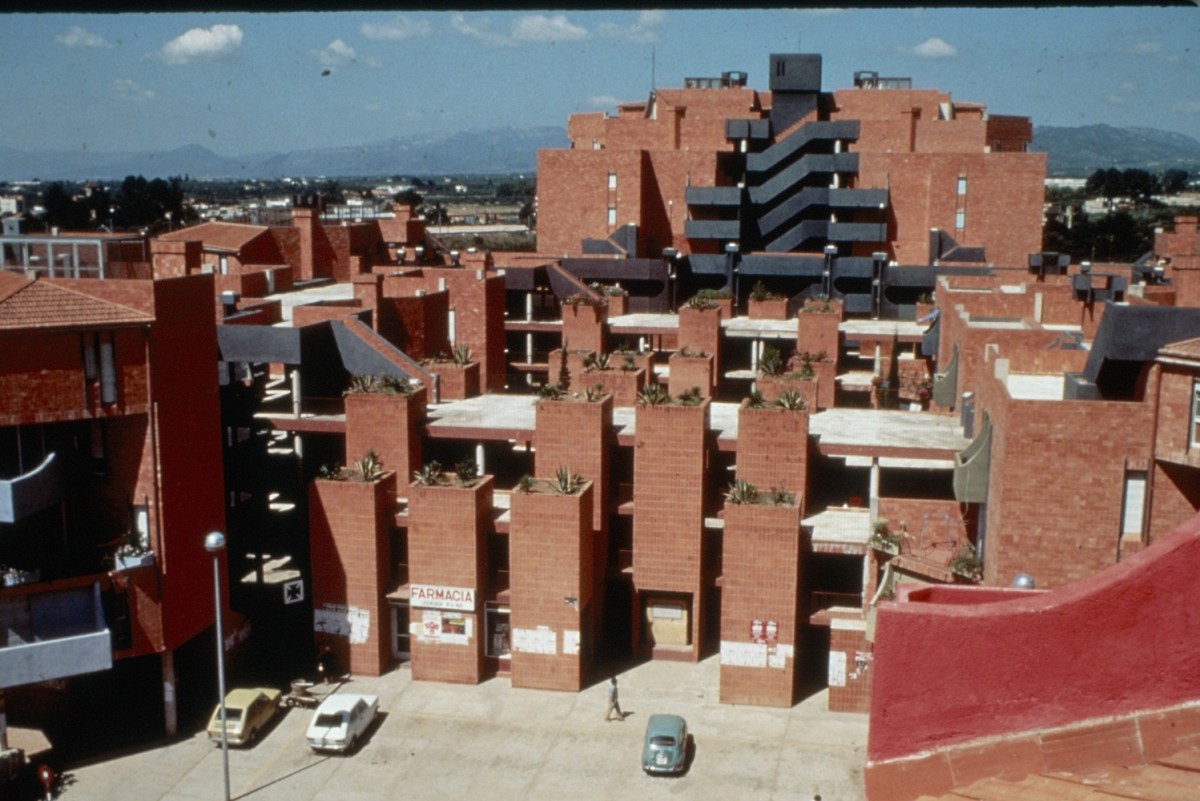
Gaudí neighbourhood, Tarragona (1968)
The Gaudí neighbourhood in Reus was the Architecture Workshop’s first major urban design project. Conceived as affordable housing for the working class, it aimed to ease the shortage brought about by the immigration waves of the 1960s. The development offered an alternative to the then-prevalent Le Corbusier-style blocks of flats.
Kafka's Castle, Barcelona (1968)
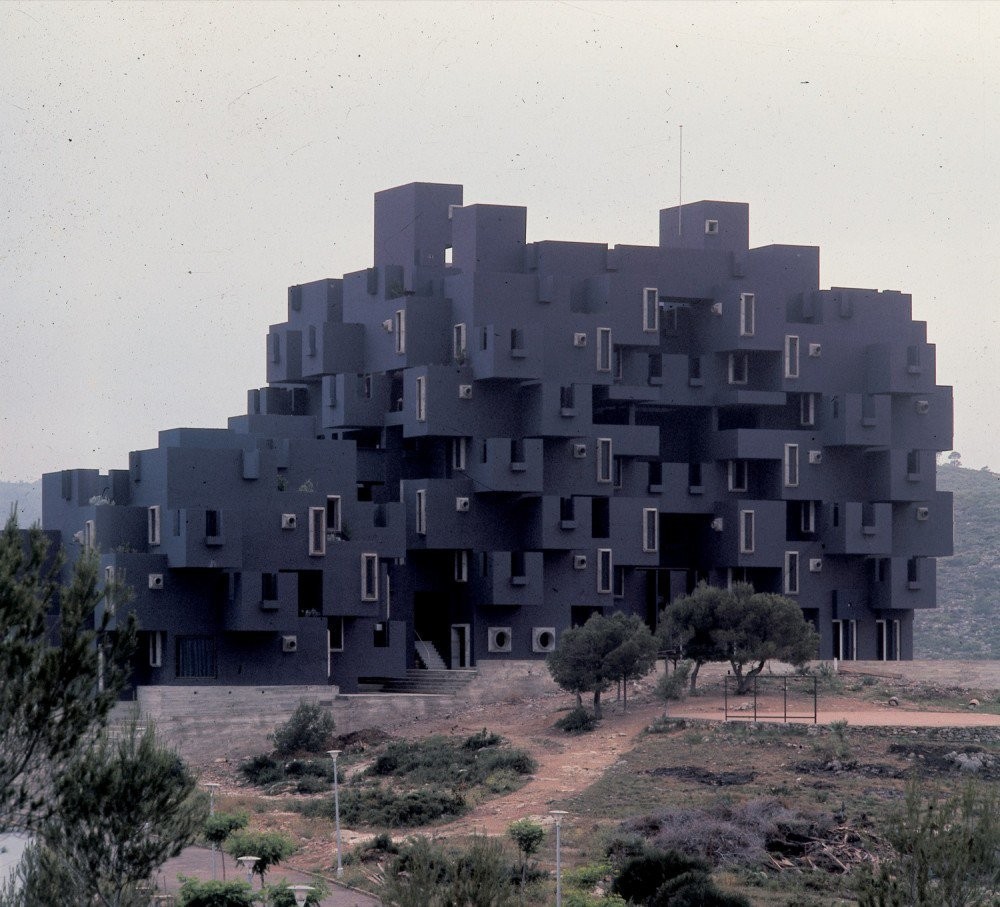
This apartment complex, located on the outskirts of Barcelona in Sant Pere de Ribes, was conceived as a tribute to Franz Kafka, the Prague-born author of Metamorphosis. It comprises 90 homes along with a swimming pool, sauna, bar and restaurants.
The building is formed by joining prefabricated cubes, arranged according to two mathematical equations that determine their placement relative to the vertical circulation towers and the overall site layout.
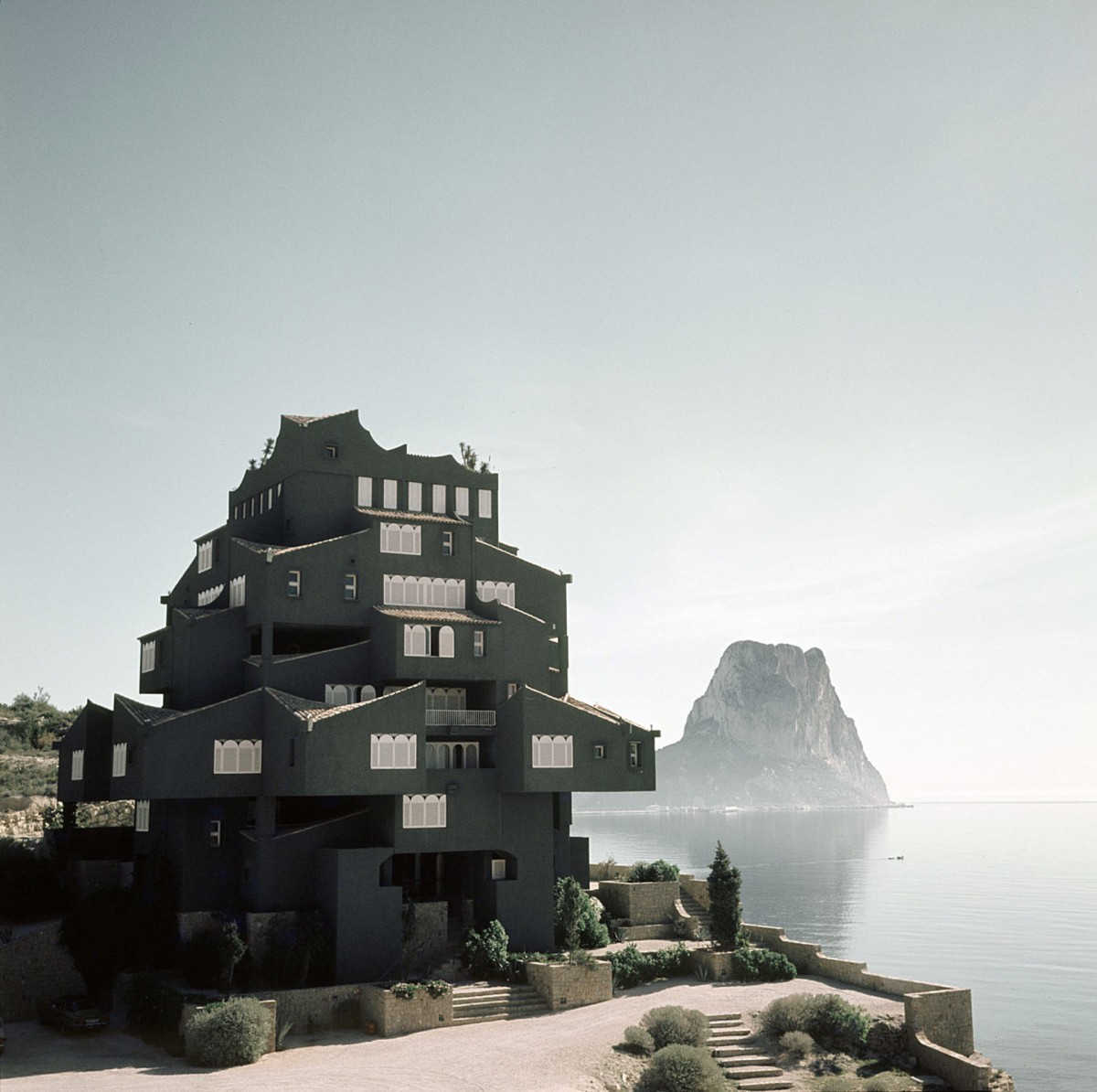
Xanadú, Alicante (1971)
Xanadú, in Calpe, was conceived as a prototype for a vertical garden city that blends seamlessly with the rocky cliffside landscape. Its structure adapts to the terrain, with multiple levels linked by ramps and staircases, creating a distinctly labyrinthine character.
The complex is notable for its geometric, sculptural forms, combining cubes, prisms and cylinders. While drawing on neoclassicism and pure geometry, it also carries a surreal, postmodern sensibility, at times even subtly recalling Japan. The blocks are oriented to capture views of the Mediterranean Sea and the Peñón de Ifach.
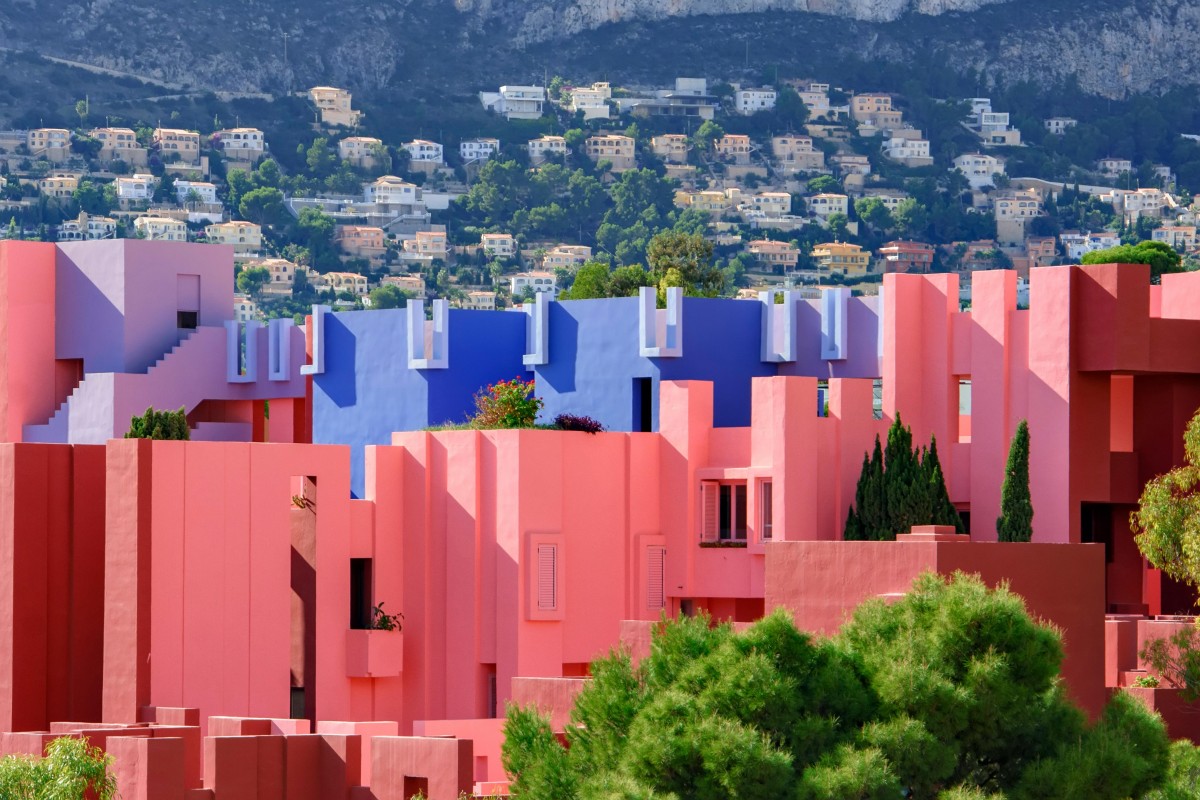
La Muralla Roja, Alicante (1973)
Drawing on the vernacular architecture of the Arab Mediterranean, Bofill also created in Calpe a labyrinthine, sea-facing citadel of 50 flats, with corridors that now recall the sets of the first season of Squid Game.
Its precise geometry, shifting colours across courtyards and staircases, clifftop setting and unmistakable silhouette have made it one of the most photographed buildings in Spain.
Walden 7, Barcelona (1970-1975)
Located on Avenida de la Industria in Sant Just Desvern (Barcelona), this building is a striking example of Spanish modular architecture. Work began in 1970, and the project was initially known as Cité del Espacio (Space City). It was inspired by Walden Two, the science-fiction novel by Burrhus Frederic Skinner.
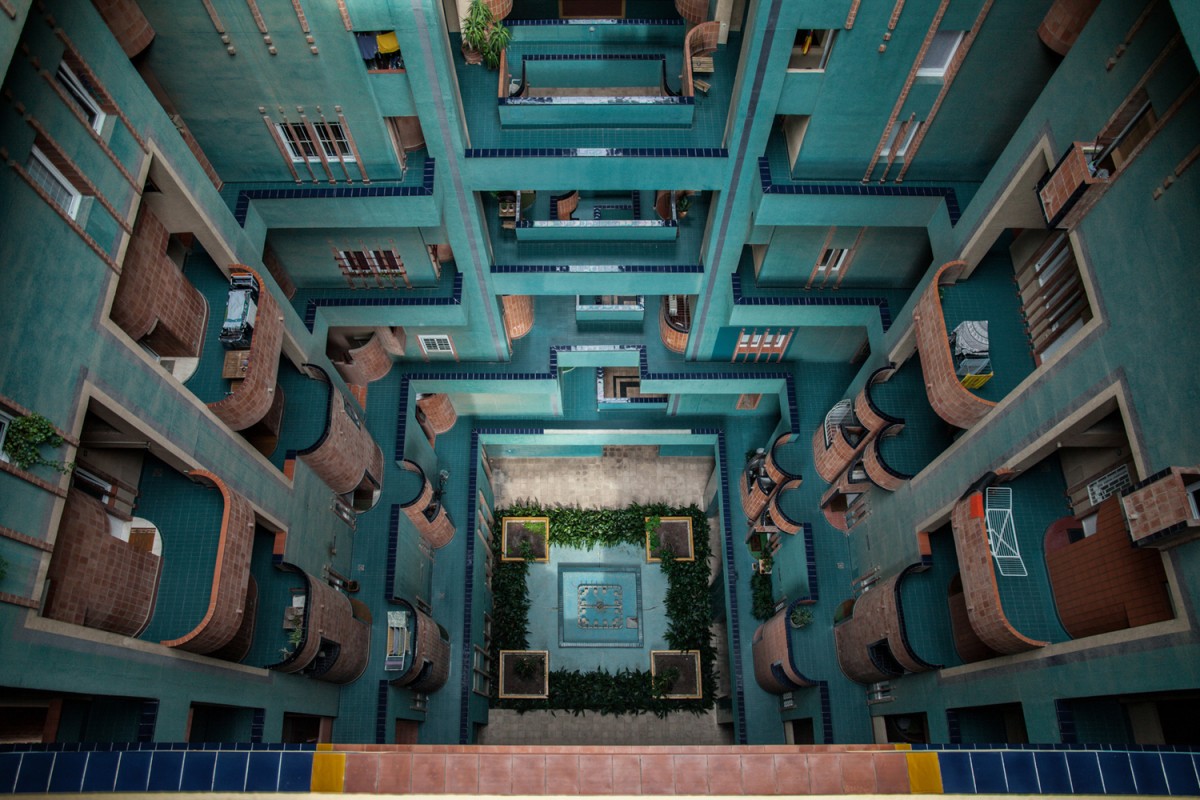
The original scheme proposed several buildings, but budget constraints meant only one could be built. It was designed to function as a small vertical city, complete with homes, streets and shops. Half of the footprint was intended for communal areas, walkways and gardens, ensuring that despite the relatively high density, the use of vertical space would reduce the overall impact.
The building has 16 floors (including the roof terrace) and a total surface area of 31,140 m². It originally contained 446 homes and today accommodates around 1,200 residents.
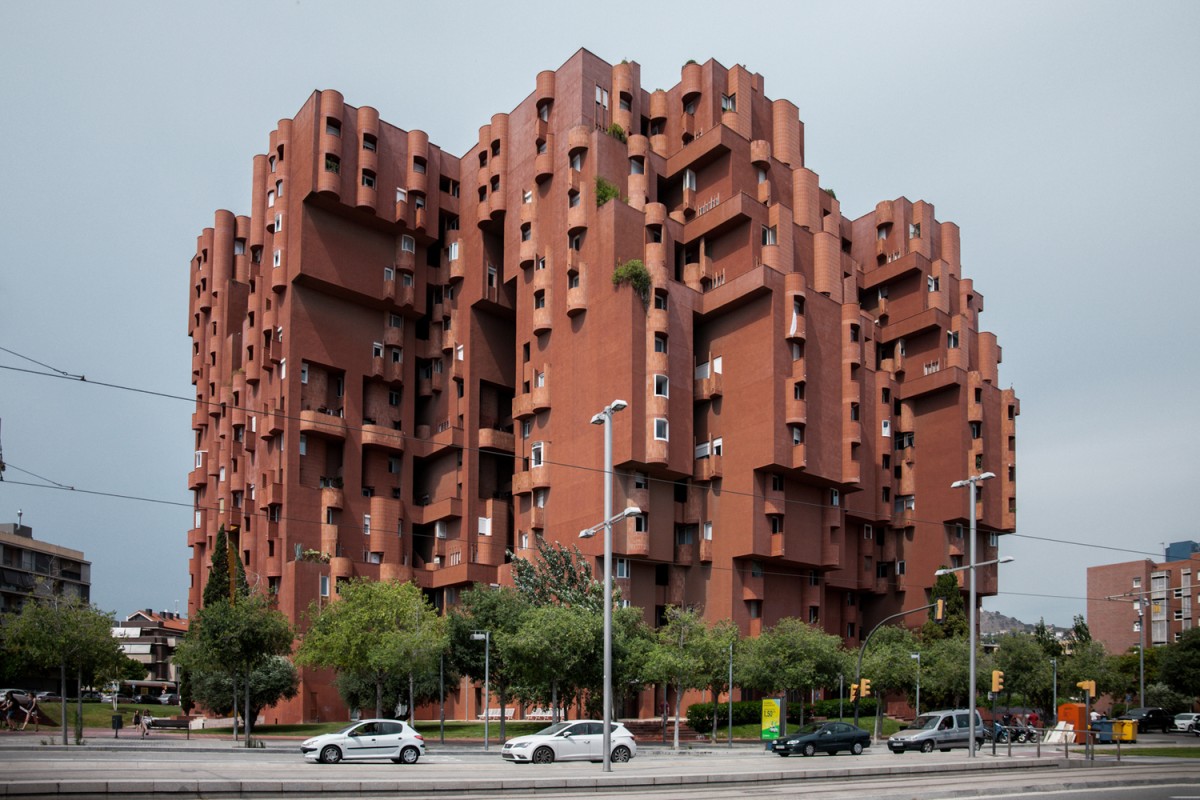
La Fábrica, Barcelona (1973-1975)
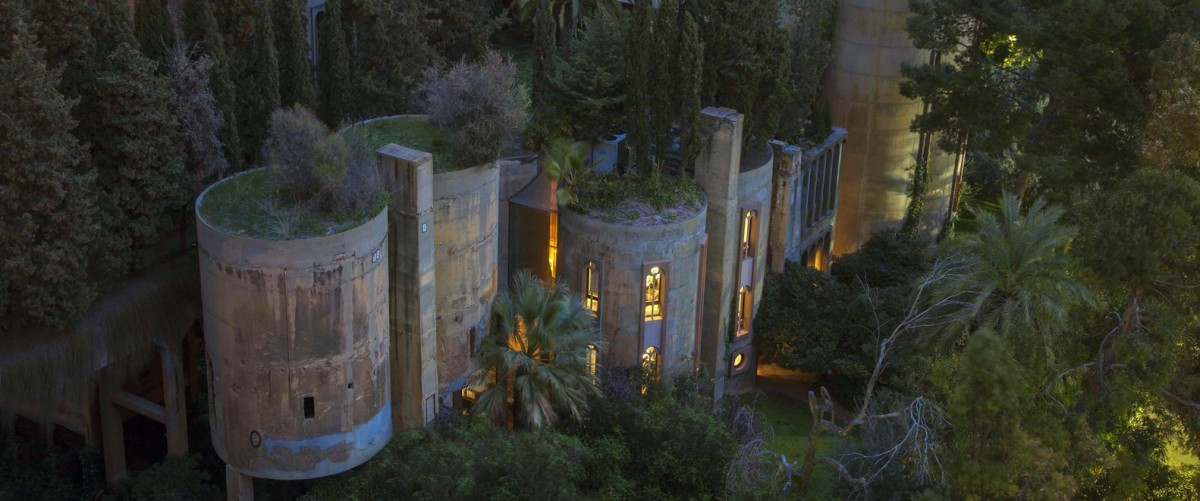
La Fábrica (translated as the factory) is one of the architect’s most iconic works, as it also became his own studio. In 1973, Ricardo Bofill discovered an abandoned cement factory with more than 30 underground silos, galleries and vast machine rooms, and decided to transform it into the headquarters of the Architecture Workshop.
The renovation took two years, and the results were remarkable. A lifeless, grey and dilapidated structure was reborn as a lush, metaphysically creative and vibrant complex.
Les Espaces d'Abraxas, Noisy-le-Grand (1978-1983)
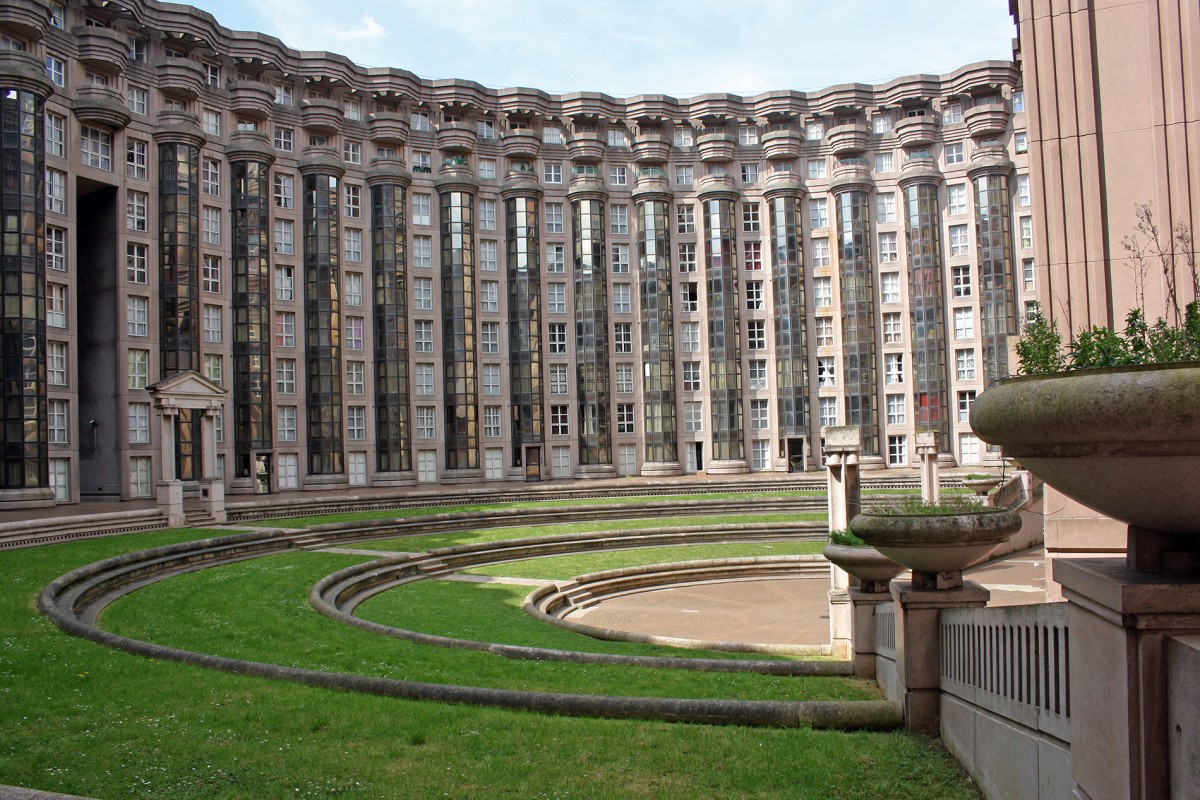
Designed by Spanish architect Ricardo Bofill and inaugurated in 1983, it is a striking example of postmodern architecture, radiating an anachronistic, neoclassical aura that has made it a popular filming location, including The Hunger Games. The complex comprises 730 flats across three buildings: the Theatre to the west, the Arch at the centre, and the Palace to the east.
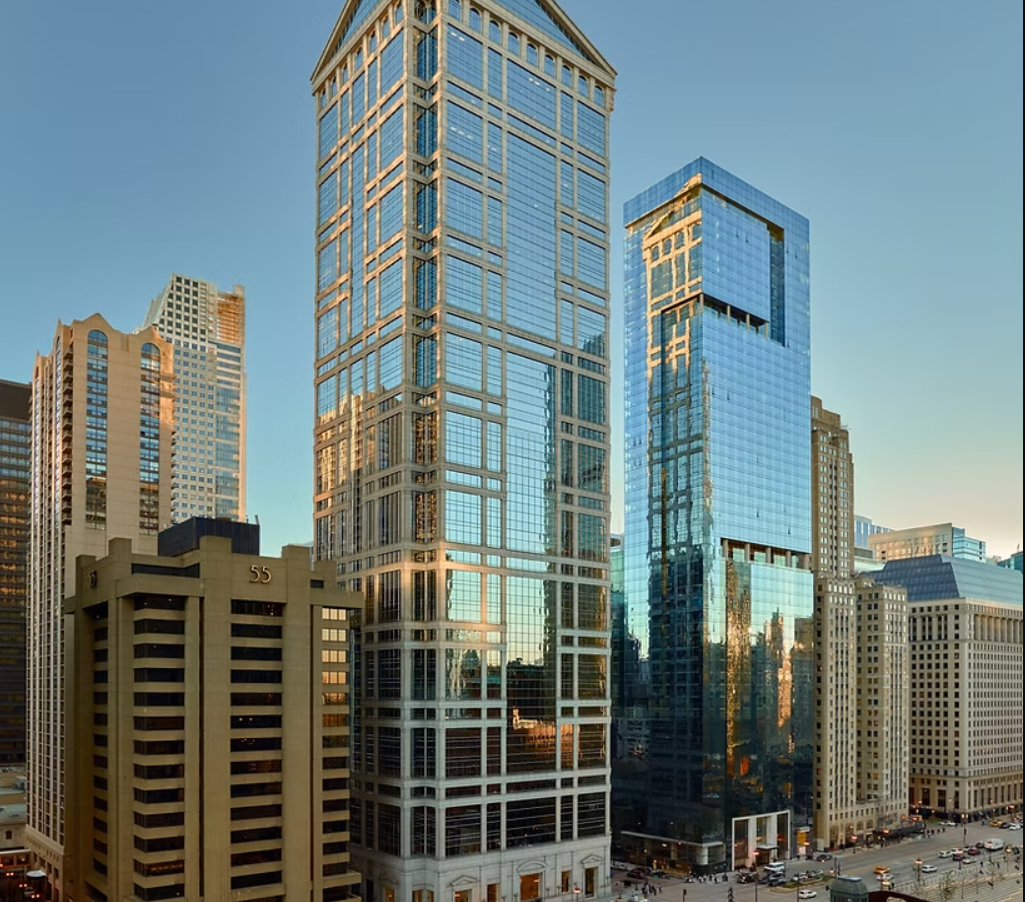
77 West Wacker Drive, Chicago (1992)
Bofill also left his mark on the city that invented skyscrapers: Chicago. This was the Catalan architect’s first building of its kind. It rises 204 metres over 51 floors and offers around 87,700 square metres of interior space.