
Interior design is much like fashion: over time, what once felt fresh and innovative can begin to feel dated, and trends that once delighted us may lose their appeal. Innovating, evolving and changing are part of human nature, as is expressing a particular personal and social moment through our choices.
With this in mind, we have reviewed the interior design trends for 2026, so you can select those that best reflect your style and give your home a new lease of life – and renewed energy.
- Chromatic contrast
- The emotional palette of 2026
- Sensory and lived-in interior design
- Opt for original pieces
- Sofas with character and sculptural forms
- Curves are here to stay
- Reinterpretation of classic styles
- Mixture of textures
- Goodbye to closed styles
- Yes to "bare" properties
- Unexpected details and combinations
- Lighting as an emotional element of the home
Chromatic contrast
One way to introduce colour into your home without going overboard is to use chromatic contrast, pairing rich, intense shades with neutral and understated tones. Think deep blue, olive green or terracotta combined with sandy hues or stone grey.
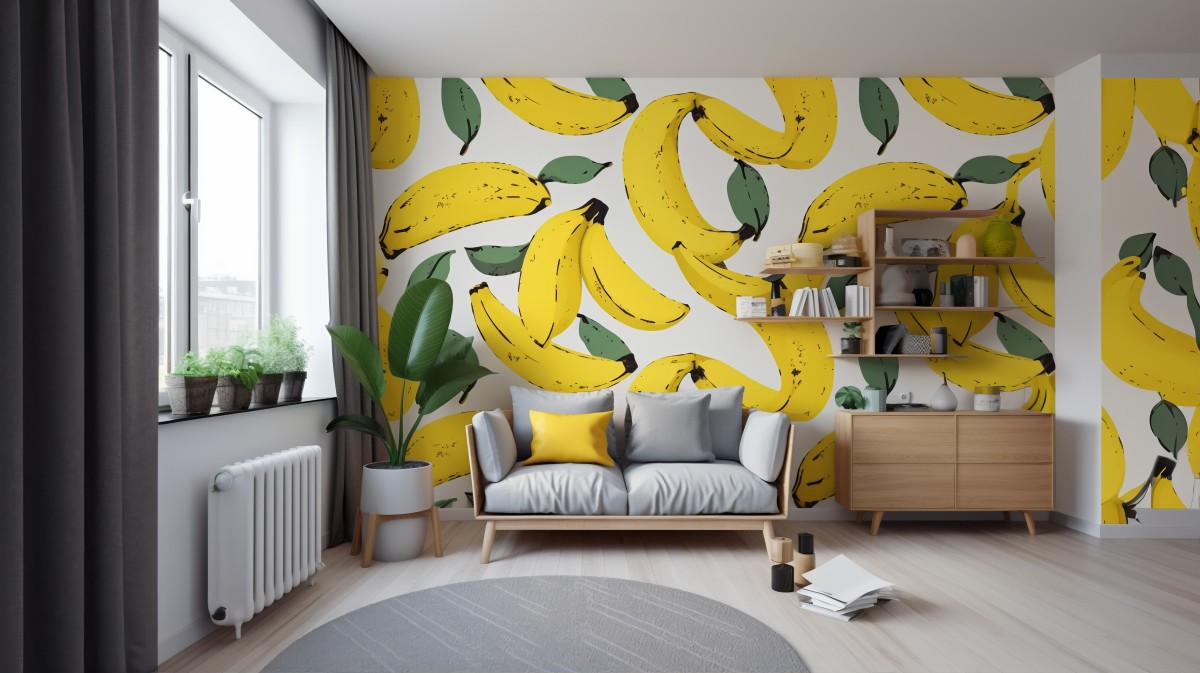
It is not a new approach, but this trend reflects a spirit of controlled risk and subtle playfulness, helping to bring a greater sense of lightness and joy to everyday life.
Choose a vibrant colour to give a new light to a special corner or opt for wallpaper with bright colours or bold prints.
Now is the time to be bold: used well, this strategy can deliver a significant transformation without major investment or complex renovation work. That said, aesthetic coherence remains essential. Not every corner needs to "speak the same language", but all elements should work together harmoniously.
The emotional palette of 2026
Beyond the official trend colours – such as Bruguer’s three shades of blue or Pantone’s Cloud Dancer white – 2026 introduces a new way of thinking about colour: the emotional palette. Rather than following fashion alone, colours are chosen for how they make us feel.
The tones set to dominate interiors are visually welcoming, including:
- Olive and sage greens, evoking calm through a connection with nature.
- Soft terracotta and contemporary earth tones, warm yet refined.
- Serene neutrals such as linen, sand, buttercream or greige, which envelop without overwhelming.
- Deep or dusty blues, bringing introspection and balance.
The aim is clear: to create spaces that promote well-being through colour.
Sensory and lived-in interior design
One of the strongest trends for 2026 is a move towards homes that are less perfect and more authentic. Experts agree that interiors will move away from impersonal aesthetics, embracing personal objects, handmade pieces, books, richly textured fabrics and items that tell a story.
The key will be to create homes “with soul” – spaces that genuinely reflect the personality and lifestyle of the people who live in them, rather than interiors that look as though they have stepped straight out of a catalogue.
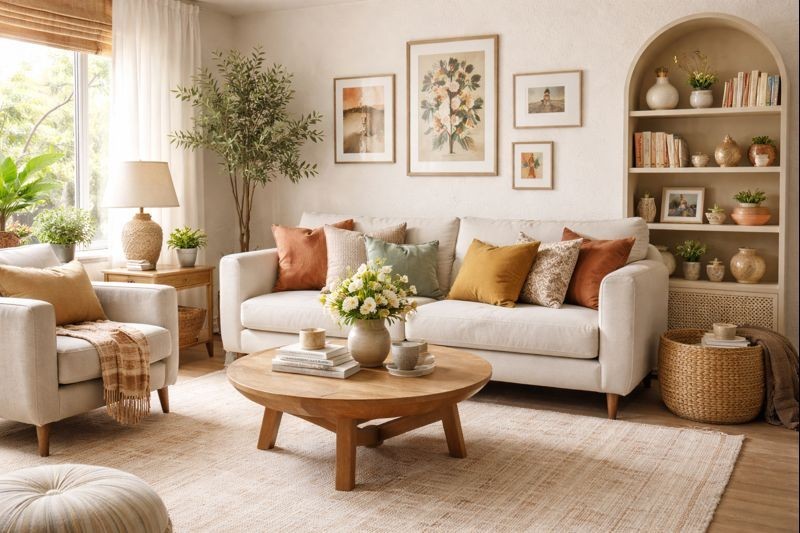
This style conveys warmth without creating clutter. It aims to humanise the home, making it feel welcoming at first glance. Designers refer to these spaces as “honest interiors”, where beauty lies in the story behind each object and in the imperfect balance between old and new.
Opt for original pieces
It is not always possible to acquire the furniture pieces we would like, but quality and originality can still be achieved through small details that make a real difference. Textiles are a good example, as are small decorative objects with a sculptural quality.
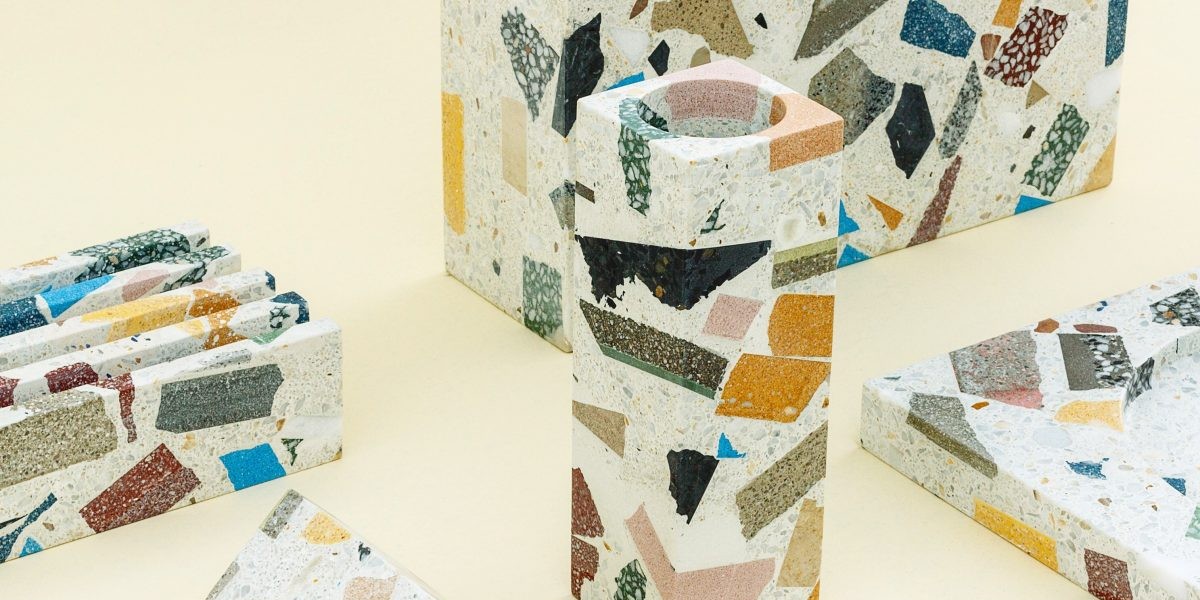
This year is all about balancing extravagance with a sense of calm. Do not underestimate the impact of a beautifully draped fabric or a striking piece of handcrafted pottery: just a few thoughtful details can completely transform the atmosphere of a home.
Sofas with character and sculptural forms
The sofa takes centre stage in the living room, not only for its comfort, which remains essential, but also for its aesthetic presence.
We will see generous, modular sofas with enveloping curves, luxurious upholstery such as bouclé, heavy linen or matte velvet, and rounded profiles that quite literally “embrace” the user.
Curves are here to stay
The curved lines that have dominated recent years are not only here to stay, but are becoming even more pronounced. Sofas, tables, chairs, lamps and decorative objects are adopting soft, flowing shapes that are visually calming, make spaces feel more approachable and enhance a sense of warmth.
These curves create organic flows that ease movement and encourage more social, fluid layouts – a trend that is particularly strong in living rooms and lounge areas.
Reinterpretation of classic styles
The year 2026 does not look to the past with nostalgia, but with reinterpretation. Homes & Gardens magazine confirms this growing trend of reviving historic styles, adapted to contemporary materials, proportions and colour palettes.
Trends such as Neo Deco – a modern take on Art Deco – and Grandma Chic revisit traditional elements or the aesthetic of grandmotherly homes, but reimagined in a fresh, modern and deliberately stylised way.
In today’s version of Art Deco, we see a blend of rich woods, elegant geometric forms, warm metals, matte velvets and carefully chosen vintage pieces, all balanced with contemporary comfort and thoughtful, well-curated combinations.
Mixture of textures
The same logic applies to decorative objects: natural materials never go out of style, and combining the textures of wood, stone or ceramics is always a safe choice. However, adding an unexpected element, such as resins or fibres, can bring a playful and contemporary edge to a composition.

Mixing styles and colour palettes is an art that invites experimentation. Turn your home into a repository of memories by rediscovering cherished pieces stored away and combining them with carefully chosen new additions.
Goodbye to closed styles
Few things feel more contrived than a space designed too rigidly around a single aesthetic, such as the overused – albeit functional – Mediterranean style.
In an increasingly turbulent and fast-changing world, 2026 is shaping up to be the year of eclecticism: a time to embrace what once seemed impossible, to experiment with the unconventional and to challenge aesthetic norms.
Personality, individuality and eclecticism take precedence over rigid codes, neutrality and impersonality. The goal is to create a home that works perfectly for you, not one designed to appeal vaguely to everyone.
Yes to "bare" properties
Robustness and authenticity are also gaining ground over standardised, outdated materials. False ceilings and hollow walls are giving way to exposed structures and honest finishes.
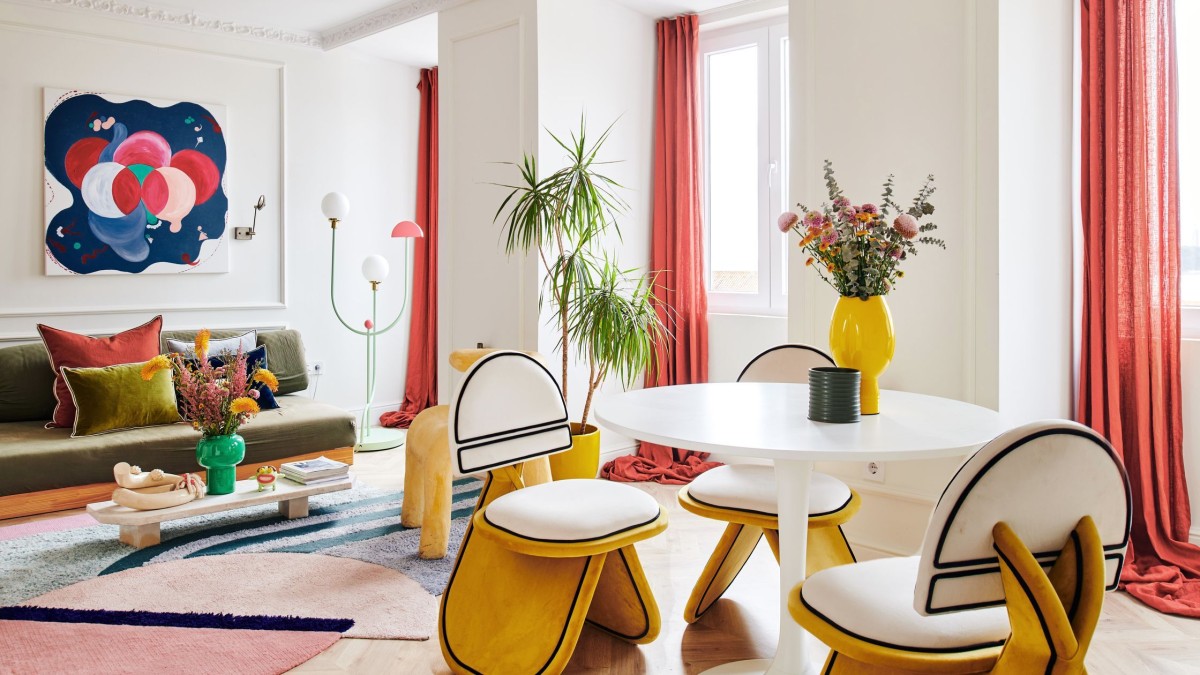
Opening up interiors helps improve light, space and flow, encouraging more flexible use of rooms. Stripping back spaces, removing unnecessary partitions and revealing materials with history will be key in 2026.
Unexpected details and combinations
In 2026, small gestures can transform any room. One of the clearest trends is the conscious mixing of metals and finishes: brass with chrome, matte black with nickel, steel with copper and similar combinations.
Handles, fittings, taps and accessories take on a leading role, adding personality without the need for major renovations. The key lies in combining them with care to achieve a balanced and elegant result.
Lighting as an emotional element of the home
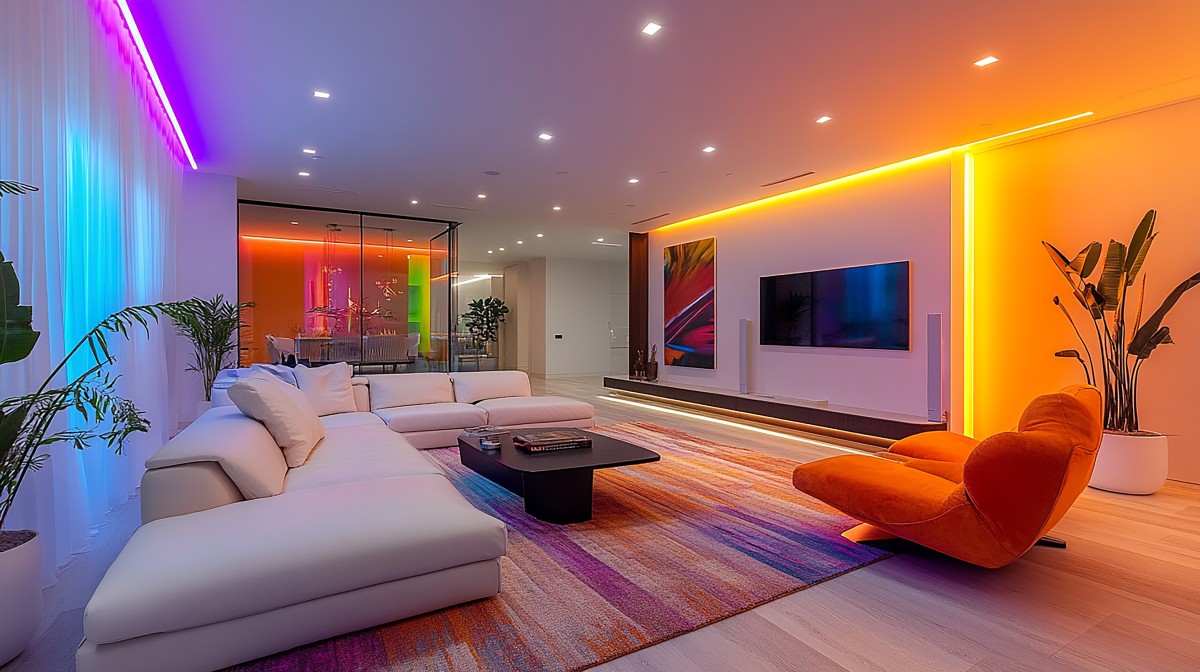
If 2026 is to be the year of homes with soul, lighting will be essential. Light moves beyond a purely functional role and becomes a tool for creating atmosphere, the emotional backbone of a space. The trend favours layered lighting:
- Soft, warm and adjustable general lighting
- Ambient lighting through concealed lamps and LEDs
- Accent lighting to highlight textures, artwork or special features
Rather than relying on a single overhead light, homes will use multiple light sources to create depth, comfort and a sense of calm.