
Prefabricated brick houses in Spain have emerged as an appealing option for those seeking a durable home with a traditional aesthetic, while benefiting from significantly shorter construction times than conventional builds. They combine the charm and appearance of a classic, timeless house with industrialised construction processes, offering better cost control, fewer unexpected issues, and improved overall build quality.
What are prefabricated brick houses?
When we refer to prefabricated brick houses, we mean homes in which most components – i.e. panels, modules, structural elements and enclosures – are manufactured off-site in a workshop and then rapidly assembled on location. The brick may be used either as a visible exterior finish or integrated into structural panels.
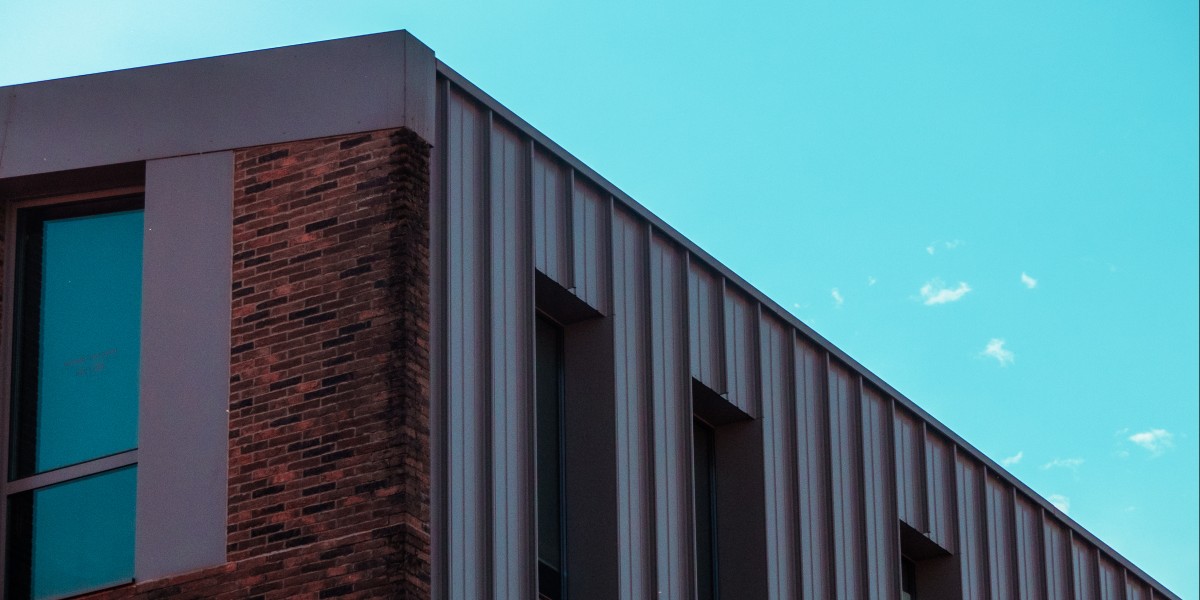
In practice, this approach allows the house to be meticulously designed before construction begins, with every joint and connection planned. Components arrive on site nearly ready for installation, and the brick often serves as an exterior ‘layer’ over a lightweight wood or steel framework, combining traditional aesthetics with modern efficiency.
Types of prefabricated brick houses
In the world of prefabricated brick houses, there is no single standard system. Each manufacturer combines structure, insulation and ceramic finishes differently. The main types available on the market today are:
- Lightweight structure with exposed brick (steel or wood frame): The house is built with a metal or timber frame, and brick is applied as an external cladding.
- Brick-clad prefab concrete panels: The brick or ceramic is integrated directly into factory-made concrete panels, which are then assembled on site.
- Brick-clad ventilated façade: Prefabricated modules are externally insulated and finished with ceramic pieces, tiles or other materials designed to replicate the appearance of traditional brick.
Pros and cons of prefabricated brick houses
When comparing prefabricated brick homes with other construction systems, it is important to weigh up the pros and cons. The main benefits of using brick include:
- Traditional and timeless aesthetics: Exposed brick creates a sense of solidity and enduring appeal.
- Good thermal inertia: The brick's mass helps stabilise indoor temperatures, enhancing comfort.
- Excellent acoustic performance: When paired with suitable insulation layers, brick provides effective soundproofing.
- High durability: A well-constructed brick façade can easily last more than 50 years.
However, there are some drawbacks to consider, particularly regarding the structure and foundations. The main disadvantages are:
- Heavier: Brick constructions are heavier than lightweight steel or timber frame systems, often requiring stronger foundations and potentially raising overall costs.
- More costly: Prefabricated brick homes are generally more expensive than lightweight single-layer finishes or economical industrialised panels.
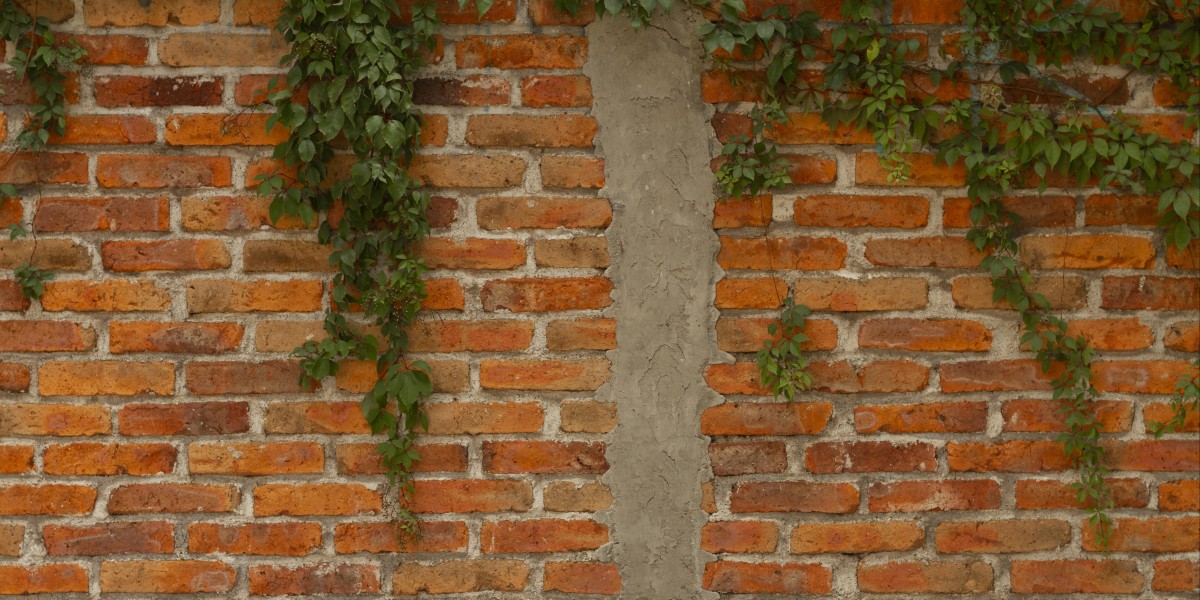
Prices of prefabricated brick houses
Calculating the cost of a prefabricated brick house involves many variables, including the built area, design complexity and the quality of materials and finishes. This explains why quotes from different manufacturers can vary widely.
As a general guideline in Spain, prefabricated brick homes are usually slightly more expensive than lighter construction solutions, but often cheaper than a well-executed traditional build. For reference, mid-range quality typically falls within a range of approximately €1,150 to €1,700 per square metre.
The table below summarises typical price ranges for prefabricated brick houses in Spain, showing approximate costs for the finished home and excluding land purchase and taxes.
| System type | Approximate price in euros/m² | Typical features |
|---|---|---|
| Lightweight structure + exposed brick | €1,150 – €1,450 | Good value for money, quick assembly, traditional aesthetic. |
| Brick-clad concrete panels | €1,300 – €1,700 | Greater thermal inertia, robustness, and very good acoustic performance. |
| Ventilated facade | €1,200 – €1,600 | High thermal insulation, good energy efficiency, lighter. |
| Traditional brickwork (reference) | €1,400 – €1,900 | Longer deadlines, greater presence of on-site work, possibly more problems. |
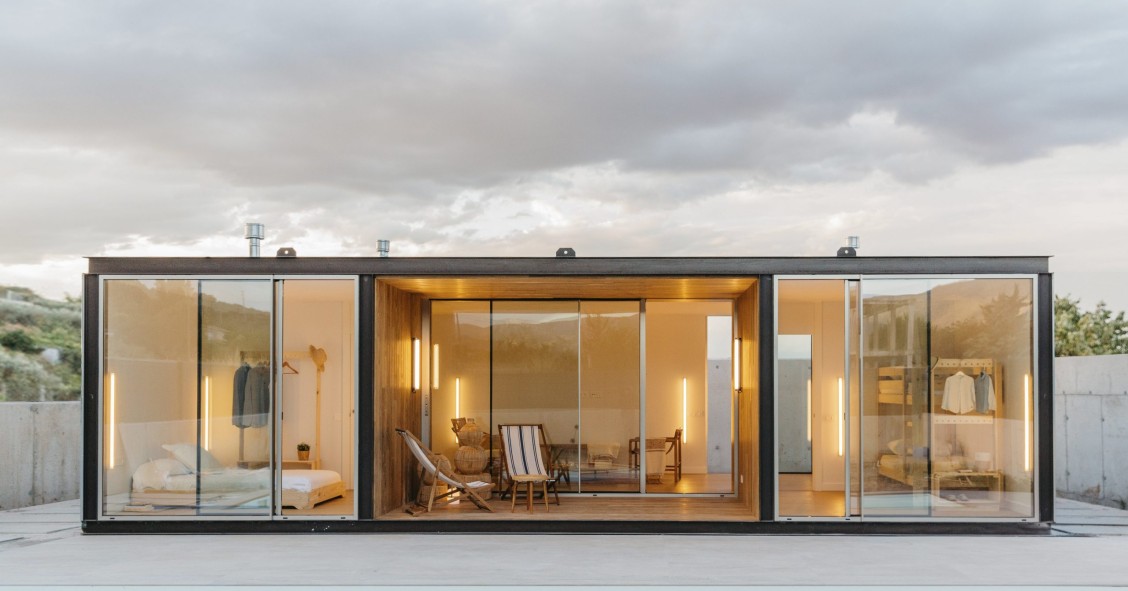
How much does it cost to install a prefab house in Spain?
If you’re considering installing a prefabricated house on some land, you’ve likely asked yourself the key question: “How much will this really cost?” Beyond the price of the house itself, many factors can affect the budget. Here, we’ll show you how much you need to turn your project into reality.