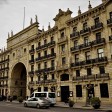
When people talk about Magic Towns in Spain, they’re not just talking about pretty villages with a nice view and a decent lunch spot. In the Spanish context, the term refers to towns recognised by Pueblos Mágicos de España, a heritage‑led initiative that looks at how places actually live, not how they photograph.
- What is "Pueblos Mágicos de España"?
- How towns are selected
- Top 14 'Magic Towns' to visit in 2026
- Ribadavia (Galicia)
- Vilaller (Catalonia)
- San Martín de Valdeiglesias (Madrid)
- Aliaga (Aragón)
- Zalamea de la Serena (Extremadura)
- Mula (Murcia)
- La Puebla de Montalbán (Castilla‑La Mancha)
- Ferreries (Menorca)
- Vallehermoso (La Gomera)
- Icod de los Vinos (Tenerife)
- Coaña (Asturias)
- Elciego (Basque Country)
- Cómpeta (Málaga)
- Nules y Mascarell (Valencia)
- Why Spain’s Magic Towns matter in 2026
What is "Pueblos Mágicos de España"?
Pueblos Mágicos de España is a non‑profit organisation that works with towns across the country to protect cultural heritage while keeping those places alive and functional.
The focus is on cultural identity, sustainability and continuity. That means local traditions, historic buildings, landscapes, crafts, food culture and community life all matter.
How towns are selected
Selection isn’t based on a single landmark or a postcard‑ready old town. The evaluation looks at a combination of heritage, traditions, landscape and community life, and how those elements work together day to day.
This is where it differs sharply from “most beautiful villages” lists. Plenty of attractive places never make it onto the Pueblos Mágicos register because they’ve lost their local fabric or become too stage‑managed.
The idea is to recognise places where culture is still lived rather than just displayed.
Top 14 'Magic Towns' to visit in 2026
Ribadavia (Galicia)
Ribadavia sits along the River Avia, surrounded by vineyards and lush Galician countryside. The old town is built from stone, with narrow streets and a layout shaped by its medieval and Jewish history.
The village feels dense, atmospheric and unmistakably Galician. It’s celebrated for its historic centre and cultural heritage tied to wine and trade.
Highlight: The Jewish quarter and the castle ruins above the town.
Vilaller (Catalonia)
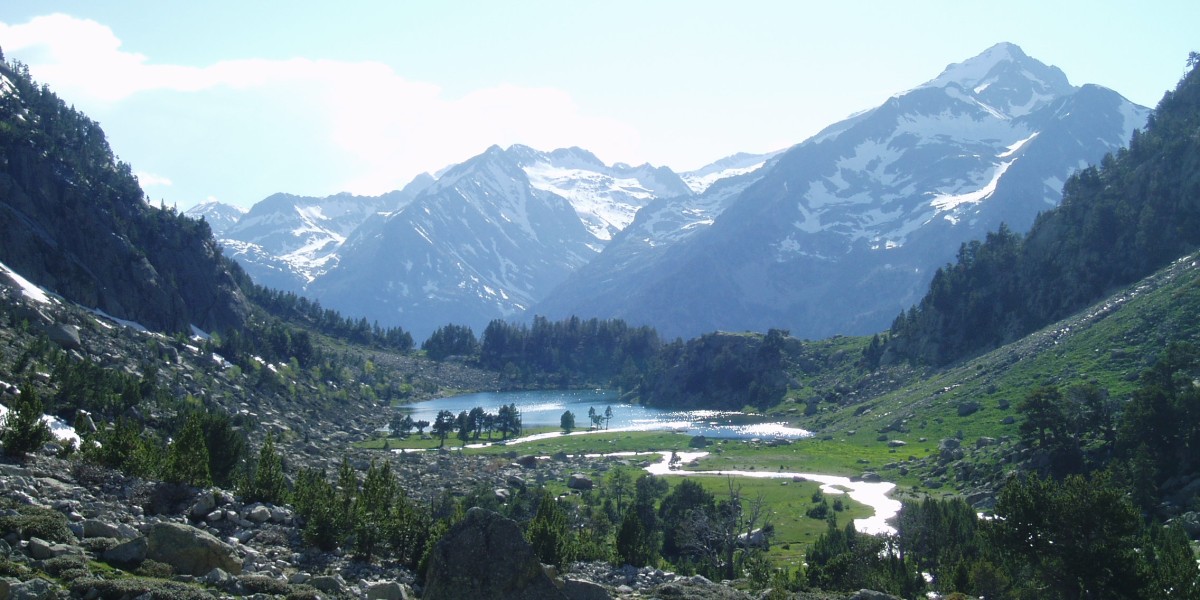
Vilaller lies in the high Pyrenees, surrounded by mountains, forests and fast‑flowing rivers. The village architecture is solid and practical, built to withstand harsh winters, with stone houses clustered along the valley floor.
It feels distinctly alpine and very different from coastal or lowland Catalonia. It’s included as a Pueblo Mágico for preserving Pyrenean mountain culture and traditional ways of life.
Highlight: Access to Romanesque churches and hiking routes in the surrounding valleys.
San Martín de Valdeiglesias (Madrid)
This town sits on the western edge of Madrid province, surrounded by pine forests, hills and large reservoirs that feel more like Castilla than the capital. The architecture centres on stone houses and a prominent medieval castle that dominates the skyline.
Despite being in Madrid, it feels quietly rural and noticeably slower-paced. It’s recognised as a Pueblo Mágico for its historic core and its unusual landscape within the Madrid region.
Highlight: Coracera Castle and the views over the San Juan reservoir.
Aliaga (Aragón)
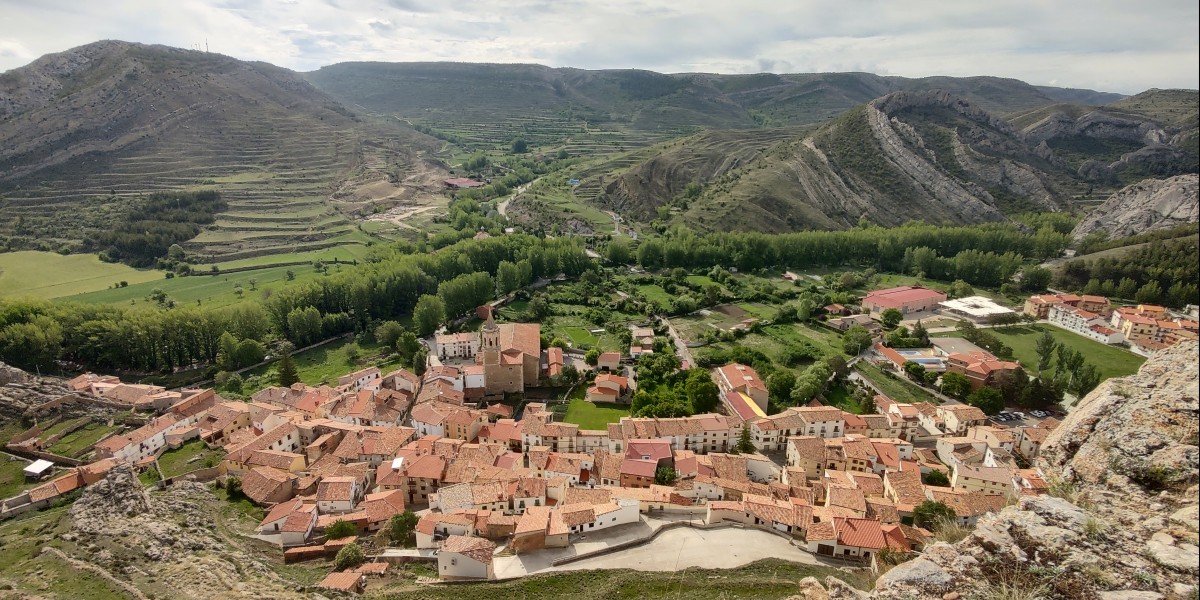
Aliaga is set in a dramatic gorge landscape, with steep rock formations and the Guadalope River cutting through the town. The architecture is modest and functional, shaped more by geology and industry than by grandeur.
Its isolation is part of the appeal, sitting deep in Aragón’s interior, far from major routes. It’s on the Magic Towns list for its unique geological setting and strong connection between town and landscape.
Highlight: The Aliaga Geological Park is just outside the village.
Zalamea de la Serena (Extremadura)
Zalamea sits in wide, open countryside typical of eastern Extremadura, with long horizons and big skies. The town itself is larger than many on the list, with stone buildings, broad streets and a layout that reflects its historical importance.
It feels practical and lived‑in rather than prettied up. It’s recognised as a Magic Town thanks to its cultural depth, literary history and enduring local identity.
Highlight: The legacy of El Alcalde de Zalamea and the town’s historic centre.
Mula (Murcia)
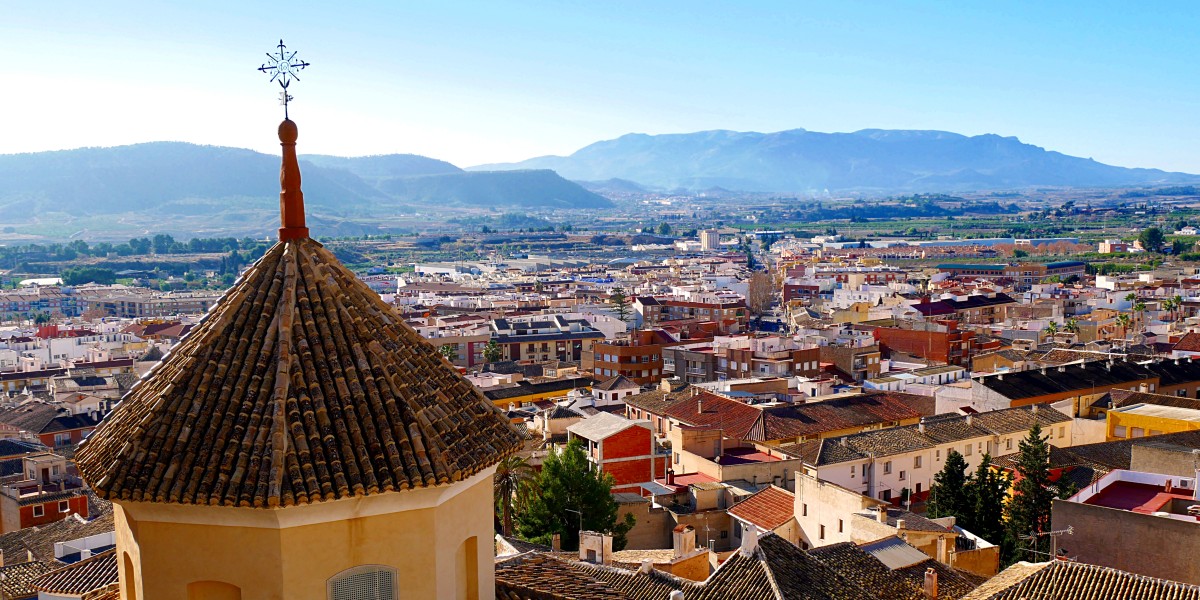
Mula rises around a hilltop castle, with dry hills and orchards framing the town from all sides. The historic centre is dense and atmospheric, with baroque churches, steep streets and shaded plazas.
Mula is inland Murcia at its most traditional, far removed from the coast. It earns its place on the list for its architectural heritage and strong local traditions that still shape daily life.
Highlight: Castillo de los Vélez overlooking the entire town.
La Puebla de Montalbán (Castilla‑La Mancha)
This town lies on the plains near the River Tajo, surrounded by farmland and low, rolling countryside. Its architecture is understated, with a compact historic centre and buildings that reflect everyday Castilian life rather than spectacle.
It’s close enough to Toledo to visit easily, but far quieter. It’s on the magic list due to its historical significance and well‑preserved local character.
Highlight: Connections to the writer Fernando de Rojas and late medieval literature.
Ferreries (Menorca)
Ferreries sits in the green heart of Menorca, surrounded by fields, stone walls and gentle hills rather than beaches. The town is simple and traditional, with low houses and a calm, residential feel.
Ferreries is one of the best places on the island to see everyday Menorcan life.
It represents the island’s rural heritage and living traditions beyond coastal tourism.
Highlight: Walking routes through the surrounding countryside towards Cala Mitjana.
Vallehermoso (La Gomera)
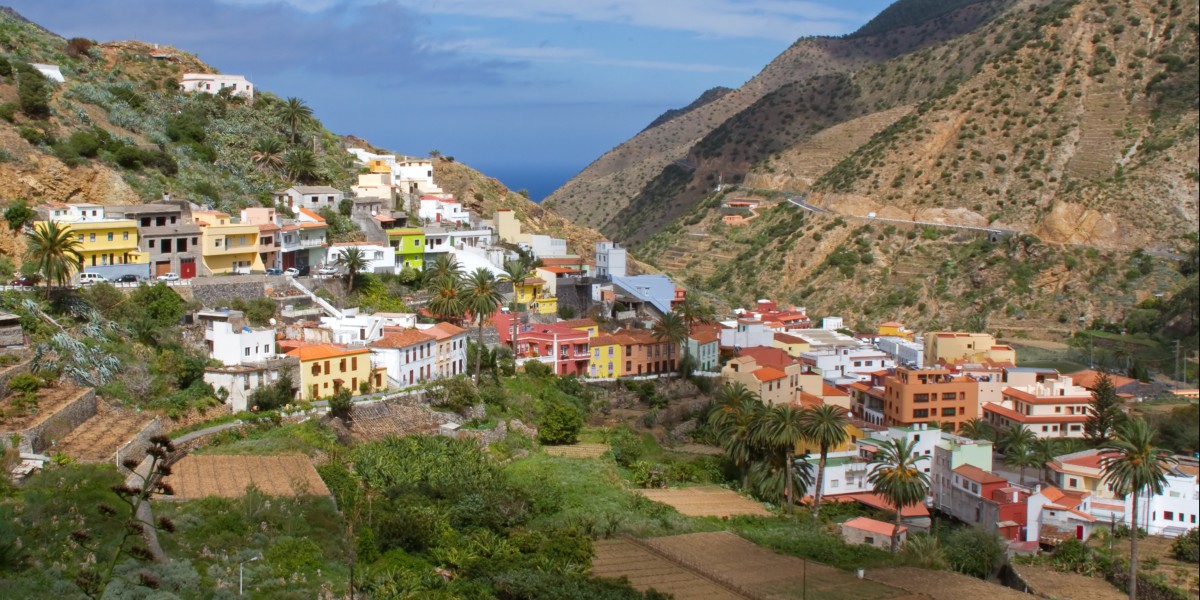
Vallehermoso lies in a deep green valley on the lesser-known island of La Gomera, with terraced fields climbing the hillsides and ravines cutting through the landscape. The village blends into its surroundings, with simple buildings and an unforced relationship with nature.
Vallehermoso is quiet, remote and very much shaped by the island’s geography. It’s recognised as a Pueblo Mágico for preserving La Gomera’s agricultural and cultural traditions.
Highlight: Exploring the valley landscapes and the nearby Garajonay National Park.
Icod de los Vinos (Tenerife)
Icod spreads across volcanic slopes with views towards the Atlantic, shaped by lava, vineyards and subtropical vegetation. The architecture mixes traditional Canarian houses with wooden balconies and historic churches. It’s well-connected but still feels rooted in its own rhythm.
It’s on the Pueblos Mágicos list for its cultural heritage and volcanic landscape, and is also Tenerife's most affordable town.
Highlight: El Drago Milenario, the ancient dragon tree.
Coaña (Asturias)
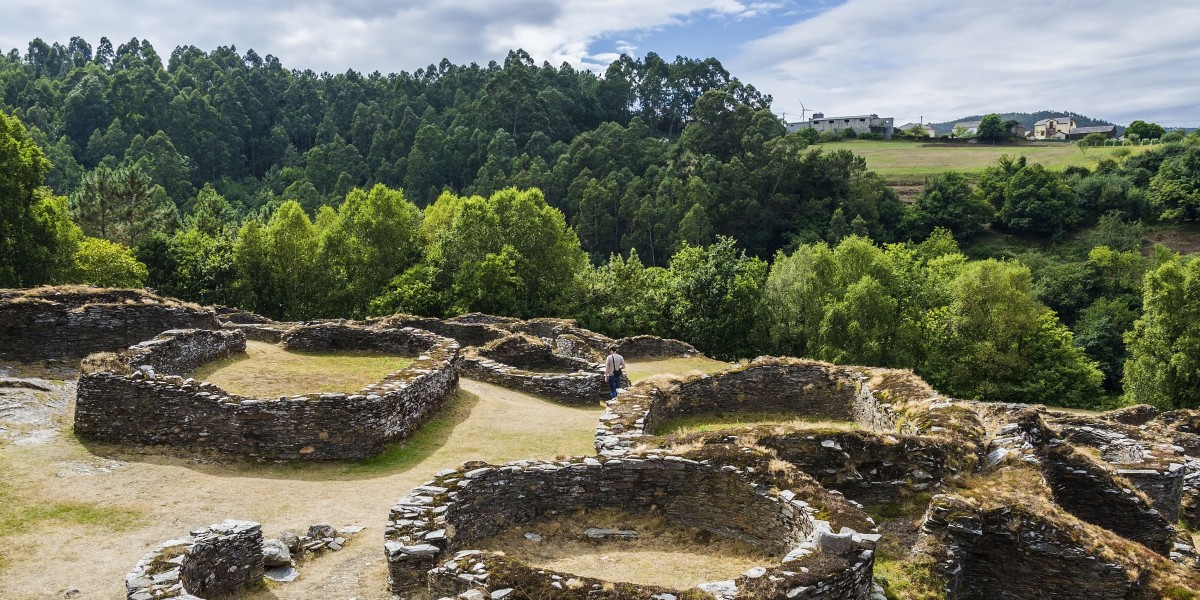
Coaña sits between the Cantabrian coast and rolling green hills, with a landscape shaped by pasture, woodland and sea air. The architecture is rural and functional, with scattered hamlets rather than a tight medieval core.
The village feels deeply northern and firmly Atlantic. Coaña makes it onto the list for its archaeological site and strong link between landscape and history.
Highlight: The Coaña hillfort overlooking the coast.
Elciego (Basque Country)
Elciego sits among rolling vineyards, with the Sierra de Cantabria rising behind it and neat rows of vines stretching out in every direction. The old town is compact and stone-built, very much Basque in feel, with narrow streets and solid houses that reflect its agricultural roots.
It’s rural but not remote, well connected to Vitoria‑Gasteiz and Logroño while still feeling properly countryside. It’s on the Pueblos Mágicos list for how it blends wine culture, historic fabric and a living local economy without losing its character.
Highlight: The contrast between the medieval centre and the Marques de Riscal winery’s contemporary architecture.
Cómpeta (Málaga)
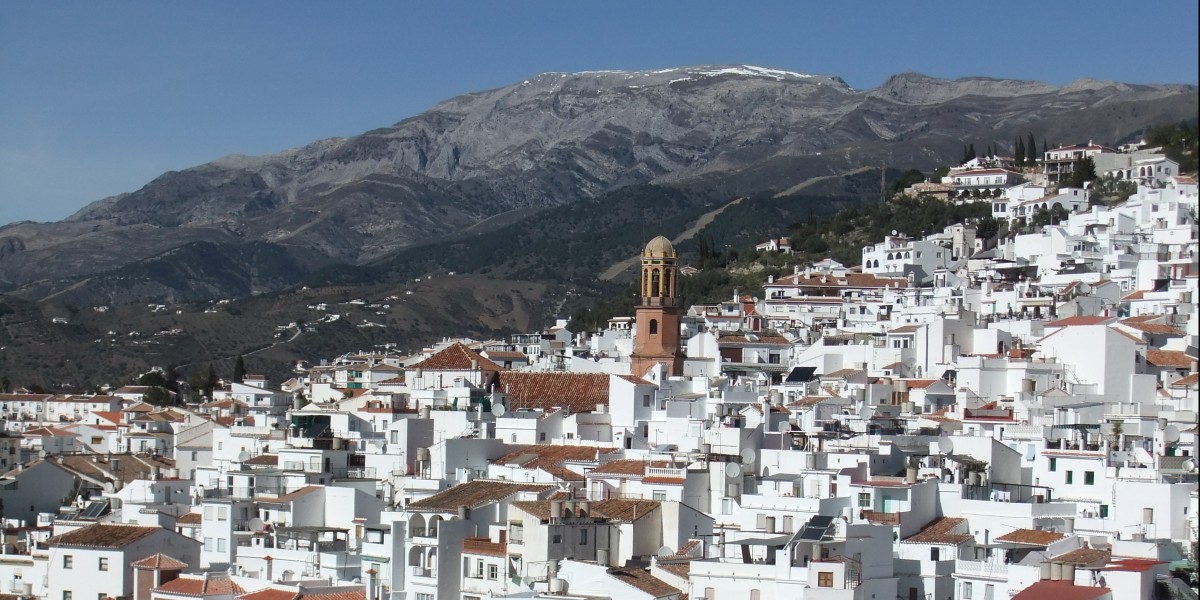
Perched in the foothills of the Axarquía, Cómpeta looks out over mountains and, on clear days, the Mediterranean beyond. The village is a classic white pueblo with steep streets, flowered balconies and a compact centre.
Cómpeta's elevation gives it cooler evenings and a slightly different rhythm from the coast. It’s included for its preserved Andalusian character and active community life.
Highlight: Plaza Almijara and the views towards the sea.
Nules y Mascarell (Valencia)
Mascarell, part of Nules, is completely enclosed by intact medieval walls, with a tiny historic core inside. The architecture is simple but striking because of the fortifications, set against flat citrus‑growing land.
Mascarell is one of the clearest examples of a walled village still functioning as a residential place.
Highlight: Walking the full circuit of Mascarell’s medieval walls.
Why Spain’s Magic Towns matter in 2026
More travellers are actively seeking towns that feel lived‑in and slower, rather than overcrowded hotspots shaped by social media churn.
At the same time, one‑off moments like the August 2026 solar eclipse will be fully visible from over half of the Magic Towns. This brings sudden attention to places that usually sit well outside the spotlight.
Stay inspired for your travels in Spain—get our weekly newsletter for the latest travel guides, cultural news, and lifestyle tips.