The key steps to building a house in Spain as an autopromotor involve taking charge of the project rather than buying from a developer. The future owner manages the design, licences and directly hired professionals, then completes the registrations needed before moving in.
The process begins with the plot and ends with the completed new-build deed, Cadastre registration and utility connections. Financial considerations, including self-build mortgages, taxes and insurance in Spain, sit alongside these practical stages.
Confirm the plot can be built on
The plot comes first. Anyone intending to build immediately should confirm that the land is classified as urban land.
Before signing, there are several checks to take into account:
- Request a nota simple from the Property Registry to confirm the owner and identify any charges.
- Ask the town hall for an urban-planning certificate. This sets out what can be built on the plot, including buildability, maximum height, plot occupation and required distances from neighbouring boundaries.
- Check whether the plot has access to water, electricity, road access and drainage.
- Establish the cost of installing these services where they are not already available.
- Commission a geotechnical study. This assesses the ground conditions and is necessary for the architect to design the foundations.
Appoint an architect and prepare the project
Once the plot is secured, an architect prepares the project in stages.
The preliminary project, or anteproyecto, sets out the proposed layout, the building’s volume and an estimated cost. The next stage is the basic project, or proyecto básico, which contains enough detail for the construction-licence application.
The execution project, or proyecto de ejecución, then develops the technical elements needed to build the house. It covers the structure, installations and materials. Once complete, it must be approved by the Architects’ Association.
Apply for a major works licence
With the basic project ready, the next formal step is an application to the town hall for a major works licence, or licencia de obra mayor.
Municipal technicians check whether the proposal meets local planning rules. The time taken to receive a decision depends on the municipality.
The costs at this stage are:
- the urban-planning licence fee, set by each town hall; and
- the Construction, Installation and Works Tax, or ICIO.
ICIO is calculated on the construction cost and generally falls between 3% and 5% of the construction budget.
Select and contract a builder
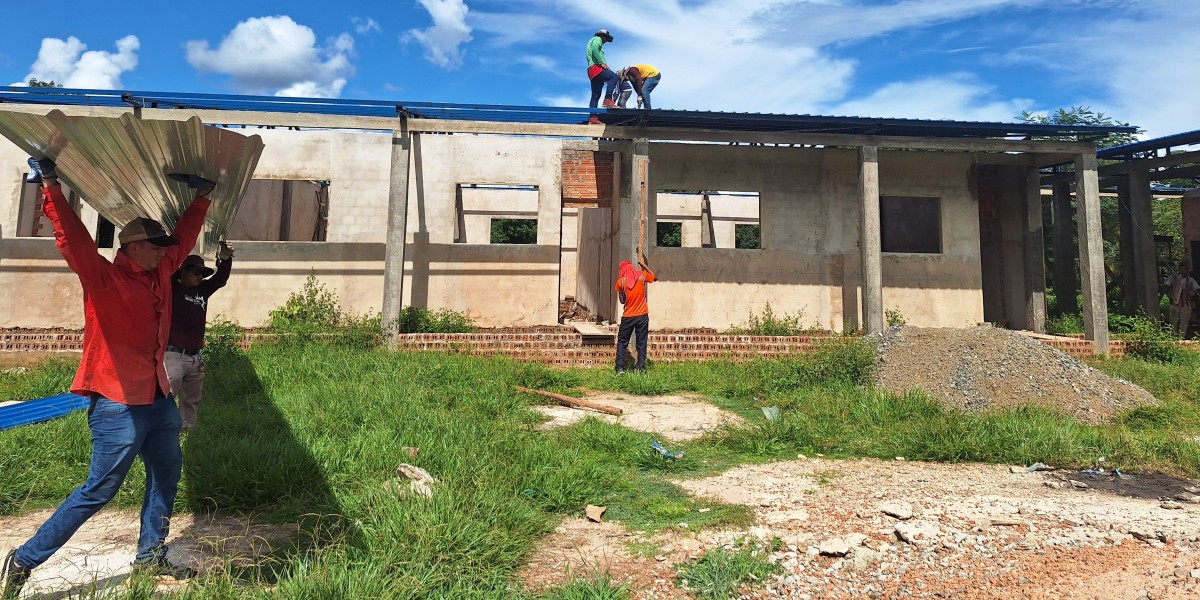
Quotes should be requested using the execution project, so that each company prices the same work. Price is not the only point to examine: a builder’s track record and opinions from previous clients are also key.
The construction contract should state:
- the price;
- completion times;
- penalties for delays;
- payment arrangements through construction certificates; and
- the standard of materials.
When the homeowner directly contracts the builder for the construction of their home, the work is subject to 10% VAT.
Put the technical team and insurance in place
Before construction begins, a technical management team, known as the dirección facultativa, must be in place.
It includes:
- a works director, who is an architect or engineer responsible for the project’s technical, aesthetic, planning and environmental aspects;
- a works execution director, normally a technical architect or aparejador, who oversees physical construction and the quality of materials; and
- a health and safety coordinator, responsible for preventing workplace risks during the works.
Ten-year structural insurance, or seguro decenal, covers structural damage for 10 years. It is not compulsory for an autopromotor building a home for personal use if the property will not be sold within that period.
The cost is around 0.55% to 1.5% of the material construction budget. Many banks require this insurance, along with all-risk construction insurance, for a self-build mortgage.
Register the house under construction
The project then needs to be formalised through a deed declaring the new build under construction. This is signed before a notary and registered with the Property Registry.
The registration records that a home is being built on the plot and makes it possible to create a mortgage over the construction.
The deed is subject to AJD Stamp Duty, with the rate depending on the autonomous community.
Manage the build and payment certificates
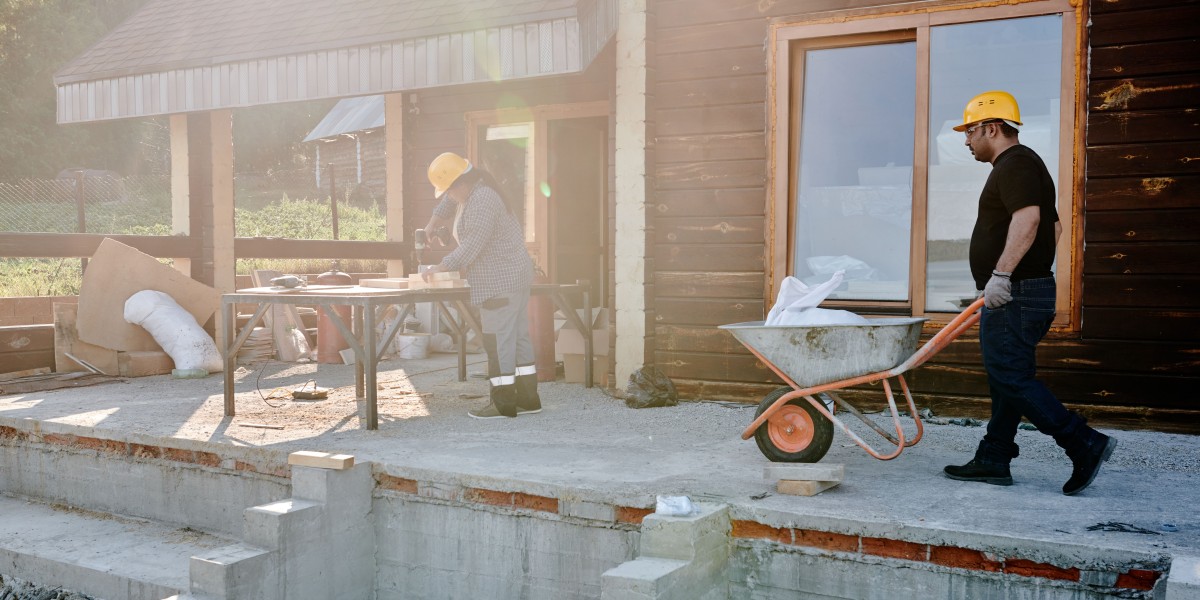
The usual construction sequence is:
- earthworks and foundations;
- structure;
- enclosure works and roof;
- installations, including electricity, plumbing, climate control and telecommunications;
- interior and exterior finishes.
For self-build mortgages, the bank releases funds in stages after an appraiser has checked the works’ progress. Construction certificates must therefore be kept current. Delays in the paperwork can stop payments reaching the builder.
Complete the paperwork before moving in
The final construction stage is followed by several documents, registrations and service arrangements.
Before occupation, there are a few more things to take care of:
- a final works certificate, signed by the technical management team and approved by the relevant professional bodies;
- the libro del edificio, containing the home’s technical documentation and instructions for use and maintenance;
- a first-occupancy licence or responsible declaration, depending on the municipality;
- a certificate of habitability in autonomous communities where it is required;
- a completed new-build deed;
- registration of the completed home with the Property Registry;
- registration with the Cadastre; and
- utility connections, including electricity and water.
A Spanish self-build project follows a clear sequence: plot checks, architectural plans, planning permission, a builder and technical team, registration of the build, construction, then occupation and utility formalities.
Stay in the know about living in Spain as a foreigner—get our weekly newsletter for the latest travel, legal, and lifestyle news.